
Roof Crickets for Small-Slope Drainage in Fort Myers
Explore Our Services
Contact Us Today!
(239) 322-9295
Water that lingers on a roof has more time to work into weak seams, worn surfaces, and imperfect flashing. For homeowners dealing with small-slope areas, roof crickets Fort Myers projects can be a practical way to guide water away from trouble spots.
A cricket won't repair every drainage issue, and it isn't a substitute for sound roof design. However, when it fits the roof's layout, it can help move water around penetrations, walls, and other obstacles before heavy Southwest Florida rain exposes a vulnerable detail.
Key Takeaways
- A roof cricket is a small raised ridge that splits water and directs it toward separate drainage paths.
- It differs from the main roof slope because it improves drainage in one targeted area.
- Crickets often appear behind chimneys, curbs, skylights, vents, and wall intersections where water can collect.
- Proper flashing, underlayment or membrane detailing, and roof condition matter as much as the cricket's shape.
- A qualified roofing professional should assess the existing roof, drainage layout, roof covering, and local requirements before work begins.
Roof Crickets Fort Myers Homeowners Can Use for Better Drainage
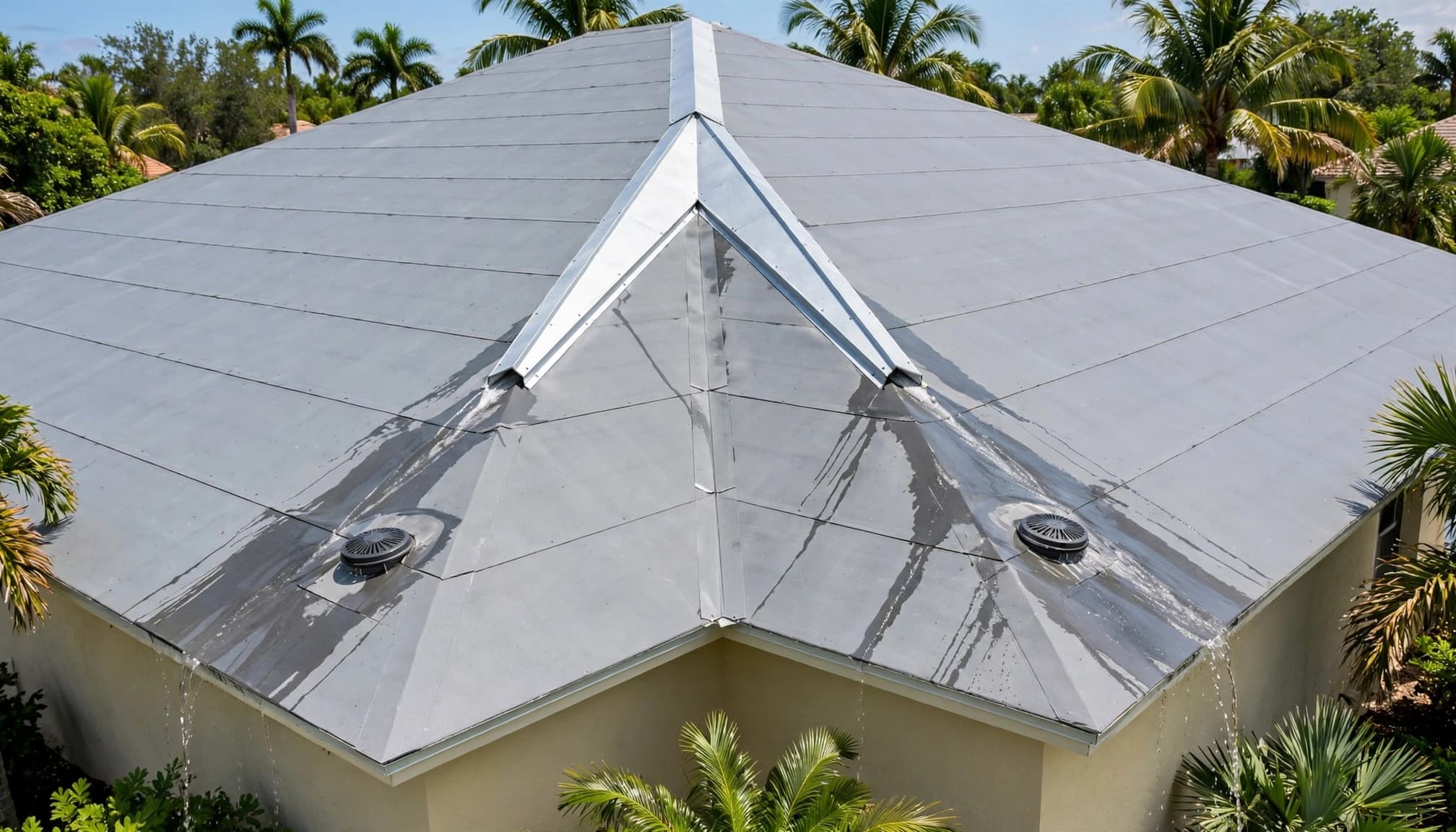
A roof cricket is a peaked, triangular section built into part of a roof. Its purpose is simple: divide water that would otherwise run into an obstruction or settle behind it.
The raised center sends water to either side. On a low-slope section, that change in direction can reduce the amount of water sitting against a vertical wall, equipment curb, chimney, or roof penetration.
A cricket is not the same as the main roof slope
The main slope is the overall angle of the roof plane. It carries water toward gutters, valleys, scuppers, drains, or roof edges.
A cricket is a localized feature. It doesn't change the entire roof's pitch. Instead, it creates two short channels around a specific obstruction. That distinction matters because installing a cricket without understanding the main drainage path can simply move water to another weak area.
Water needs a clear route after it splits
A cricket only works with the drainage path around it. Water must have room to move beyond both sides and reach an appropriate outlet.
For example, a cricket behind a roof penetration may divide runoff effectively, yet water can still collect if the roof surface beyond it is uneven or blocked. The professional reviewing the roof should follow the route from the high point of the cricket to the edge, drain, scupper, gutter, or valley.
Why Small-Slope Roof Areas Need Careful Drainage Planning
Fort Myers roofs face intense sun, high humidity, wind-driven rain, tropical storms, and sudden downpours. A small-slope roof area has less visual slope than a steep roof, so minor irregularities can have a larger effect on where water remains after rain.
Ponding water doesn't always mean a roof has failed. Still, repeated standing water deserves attention because it keeps roofing materials, seams, and flashing wet for longer periods.
Low spots can develop over time
A roof surface may change as materials age, fasteners loosen, decking moves, or earlier repairs alter the plane. Water can also slow down near transitions between roof sections or behind larger roof features.
During an inspection, a roofer can look for staining, soft decking, open seams, deteriorated sealant, damaged covering, and recurring water marks. A Fort Myers roof inspection examines roof materials, structure, integrity, weather-related damage, potential leaks, and overall condition.
Drainage should work with the roof system
The right solution depends on the roof's construction and covering. Asphalt shingles, tile, metal, and low-slope membrane systems all use different installation details.
A cricket might be appropriate in one location but unsuitable in another. Roof covering requirements, existing structural conditions, and the available drainage path should guide the decision. No drainage feature can compensate for a roof system installed outside its approved application.
A cricket directs water around an obstacle. It cannot correct widespread sagging, failed decking, blocked drainage outlets, or worn roofing materials across the entire roof.
Where Roof Crickets Make the Most Sense
Crickets are usually considered where a vertical feature interrupts the flow of water. The feature creates an uphill side where water can back up during heavy rain.
The location, size of the obstruction, roof material, and surrounding slope all affect whether a cricket is useful. A roofing professional should inspect the area rather than assuming every penetration needs one.
Behind chimneys, curbs, and roof-to-wall transitions
A chimney, framed curb, or roof-to-wall connection can act like a dam. Water moving down the roof meets the obstacle and spreads sideways. Without a well-planned route, it may sit against flashing or find a gap near a joint.
A cricket behind the uphill side can encourage water to split before reaching that detail. This is often most helpful where the obstruction is broad enough to interrupt a meaningful amount of runoff.
Around penetrations and additions
Vents, skylights, mechanical equipment, and room-addition transitions deserve close review. Some are too small or positioned so that a cricket adds little value. Others sit in a broad drainage area and need more careful detailing.
For a new addition, the roof plan should account for both old and new roof lines. Adding material without considering the water route can leave a low area at the connection. The roof design should guide water away from the transition rather than concentrating it there.
Flashing and Waterproofing Details Around a Cricket
A cricket is only one part of a weather-resistant assembly. The surrounding flashing and waterproof layers control water at the joints where leaks often begin.
Because Fort Myers storms can drive rain sideways, installers need to pay close attention to laps, transitions, penetrations, roof-to-wall areas, valleys, and edges. Small openings can admit water when rain and wind work together.
Flashing must match the roof material
Flashing may include metal components, compatible membranes, sealants, and manufacturer-approved accessories. The exact approach depends on the roof system and the feature being detailed.
On a shingle roof, the system includes more than visible shingles. Underlayment, flashing, ventilation components, starter shingles, and ridge caps all affect performance. On metal or tile roofs, flashing geometry and the way materials overlap require equally careful coordination.
Waterproof layers need continuous laps
Waterproofing layers should direct water down and out, rather than allowing it to run behind a lap or into an exposed seam. A cricket creates additional transitions, which makes this work more detailed than laying roofing material on a flat plane.
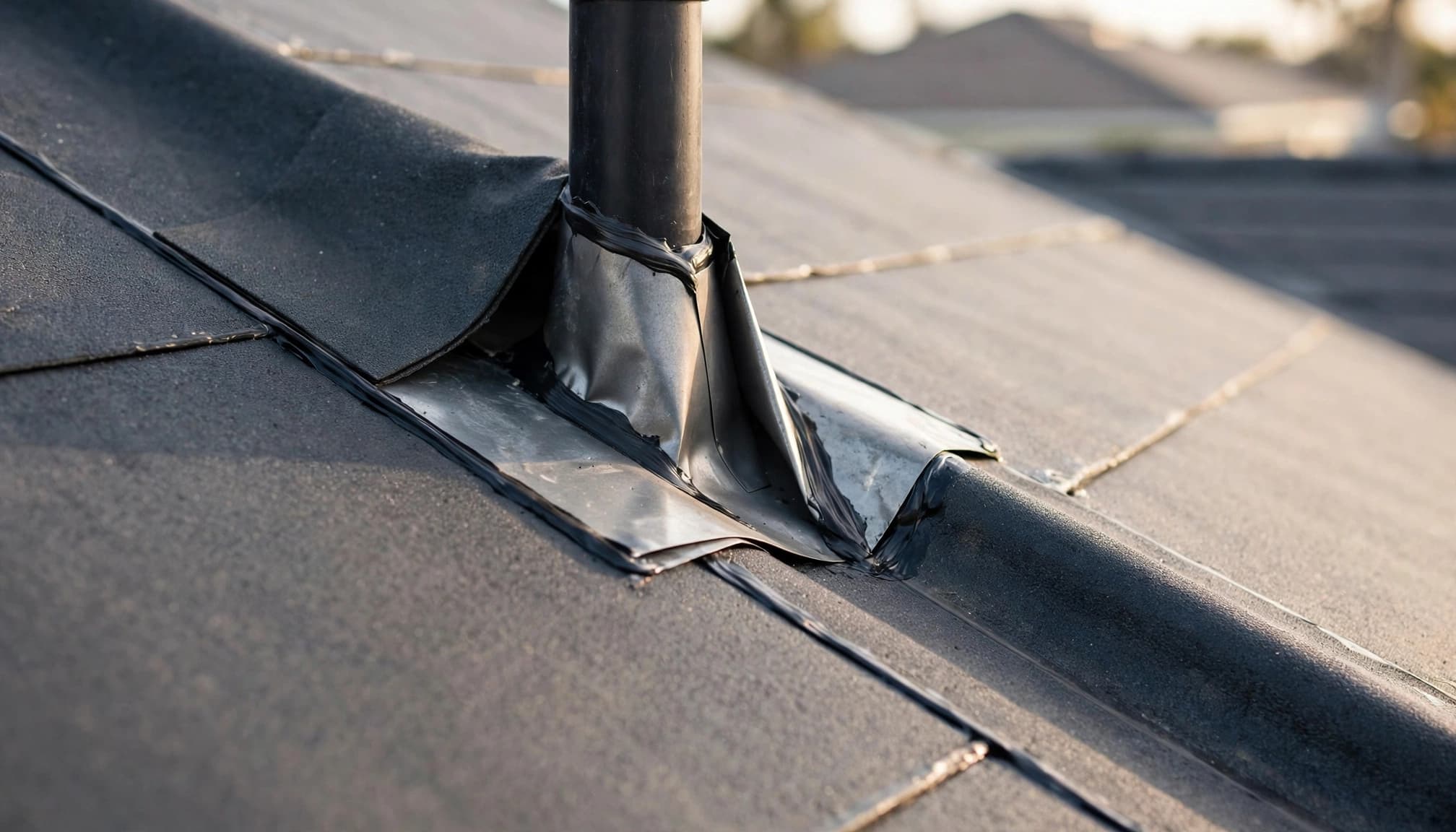
The visible roof surface may look finished while the most important protection sits beneath it. That is why repair work should include an assessment of the layers under and around the affected area, not only a surface patch.
Decide Between Targeted Repair and Roof Replacement
A cricket can sometimes be added as part of a focused repair. In other cases, the surrounding roof condition makes a larger project more sensible. The decision should follow an on-site evaluation, not a one-size-fits-all rule.
If the roofing material near the problem is in good condition and the issue is limited, a qualified contractor may recommend a repair scope. If the area has repeated leaks, widespread wear, or damaged decking, the drainage correction may need to be part of replacement planning.
Signs a repair review is worth scheduling
Look for recurring stains on a ceiling or wall, moisture after heavy rain, deteriorated flashing, loose roof materials, or a known history of water collecting in one location. These signs do not identify the source on their own, but they warrant a closer look.
Fort Myers roof repair services can address issues such as damaged shingles, tile and metal repairs, roof leaks, flashing problems, vents, and roof decking concerns. Prompt evaluation can limit the chance that a small water entry point reaches interior finishes.
Replacement creates a chance to correct the whole assembly
A roof replacement gives the contractor access to the roof deck and the full set of roofing layers. It can be the right time to assess drainage paths, repair damaged decking, and integrate a cricket with new underlayment and flashing.
For new homes and replacements, Fort Myers roof installation planning should consider the roof covering, drainage layout, ventilation, flashing, and current permitted plans as one system. The cricket should fit that system rather than act as an isolated add-on.
Installation Considerations for Fort Myers Properties
Roof cricket work involves more than adding a raised shape over an existing roof. The roofer needs to inspect the structure, establish drainage routes, determine material compatibility, and plan the flashing sequence.
Local permitting and Florida Building Code requirements may apply depending on the project scope. Site conditions also vary by roof height, exposure, location, roof covering, and whether work is part of a repair, replacement, addition, or new construction project.
The roof deck comes first
A cricket needs stable support beneath it. If moisture has weakened decking or framing, the contractor should identify that condition before covering it with new materials.
The existing roof can also hide previous patchwork, rusted flashing, or water-damaged areas. Opening the affected section may reveal work that wasn't visible from the ground. A clear written scope helps homeowners understand what is included if concealed damage appears.
Material choice affects the detail
Metal, tile, shingle, and low-slope roofing systems handle transitions differently. A detail that fits one roof type may not suit another.
When planning a shingle replacement, Fort Myers shingle roofing work should coordinate the cricket with the underlayment, flashing, starter course, and surrounding shingles. Manufacturer instructions and the approved roof application should guide the final detail.
Questions to Ask Before Adding a Roof Cricket
A useful discussion starts with the water problem itself. Describe when you see ponding, where leaks appear, and whether the issue follows only heavy rain or happens during ordinary showers.
Photos taken safely from the ground after rain can help document the pattern. Avoid walking on the roof, especially when it is wet or when tile, shingles, or low-slope materials may be damaged.
Ask about drainage, not only the cricket
A contractor should be able to explain where water currently collects and where the proposed design will send it. Ask whether nearby drains, gutters, scuppers, valleys, or roof edges can handle that flow.
You can also ask how the work connects to existing flashing and waterproof layers. A clear answer should address the surrounding roof area, not only the new raised section.
Confirm the scope and follow-up plan
Before work begins, discuss whether the project includes removal of existing materials, deck inspection, flashing replacement, underlayment or membrane work, and restoration of the finished roof covering.
Ask how the contractor will address local requirements and permitted plans when they apply. After installation, monitor the area during future rainfall and report any signs of recurring moisture promptly.
Frequently Asked Questions
Can a roof cricket eliminate ponding water?
A cricket may improve the way water moves around a specific obstruction. It cannot guarantee that ponding will disappear because low spots, blocked outlets, roof settlement, drainage capacity, and overall roof condition also affect water movement.
Does every low-slope roof need a cricket?
No. Many low-slope roof areas drain properly without one. A cricket is a targeted detail that may be appropriate when an obstacle disrupts water flow or when the roof design directs runoff into a vulnerable area.
Can a cricket be added to an existing roof?
Sometimes. The roofer must first evaluate the roof deck, existing materials, flashing condition, drainage route, and compatibility with the current roof system. A repair may be possible, but extensive wear can change the recommended scope.
Will a cricket affect the appearance of my roof?
It can create a visible raised line, especially on a low-slope roof. On many roofs, its placement behind a chimney, curb, or upper-wall feature makes it less noticeable from the ground. The final appearance depends on the roof material and location.
A Better Water Path Protects the Details That Matter
A roof cricket is a focused drainage detail, not a universal cure for roof problems. When it is properly located and integrated with flashing, waterproofing, and a sound drainage route, it can help limit water buildup around a vulnerable obstruction.
For Fort Myers homes, the strongest approach begins with the existing roof condition and a clear assessment of where rainwater travels. Better drainage starts with a roof system designed as a complete assembly.