


If you're building a new home in 2026, the septic system can feel like the most mysterious part of the budget. It's buried, it's regulated, and the price can swing fast from lot to lot.
Here's the bottom line on southwest florida septic costs : a straightforward, gravity-fed system on a good lot often lands in the mid-thousands, but high groundwater, coastal soils, or tight setbacks can push you into raised drainfields or an ATU (aerobic treatment unit) that costs many times more. The goal is to spot those triggers early, before you pour the slab and lock the site plan.
Why septic prices vary so much on Southwest Florida lots
In Southwest Florida, septic cost isn't only about the tank size. It's about whether the lot lets you build a basic drainfield. Two lots that look identical can produce totally different designs once testing and setbacks come in.
Here are the biggest drivers that tend to move numbers in Lee, Collier, and Charlotte counties:
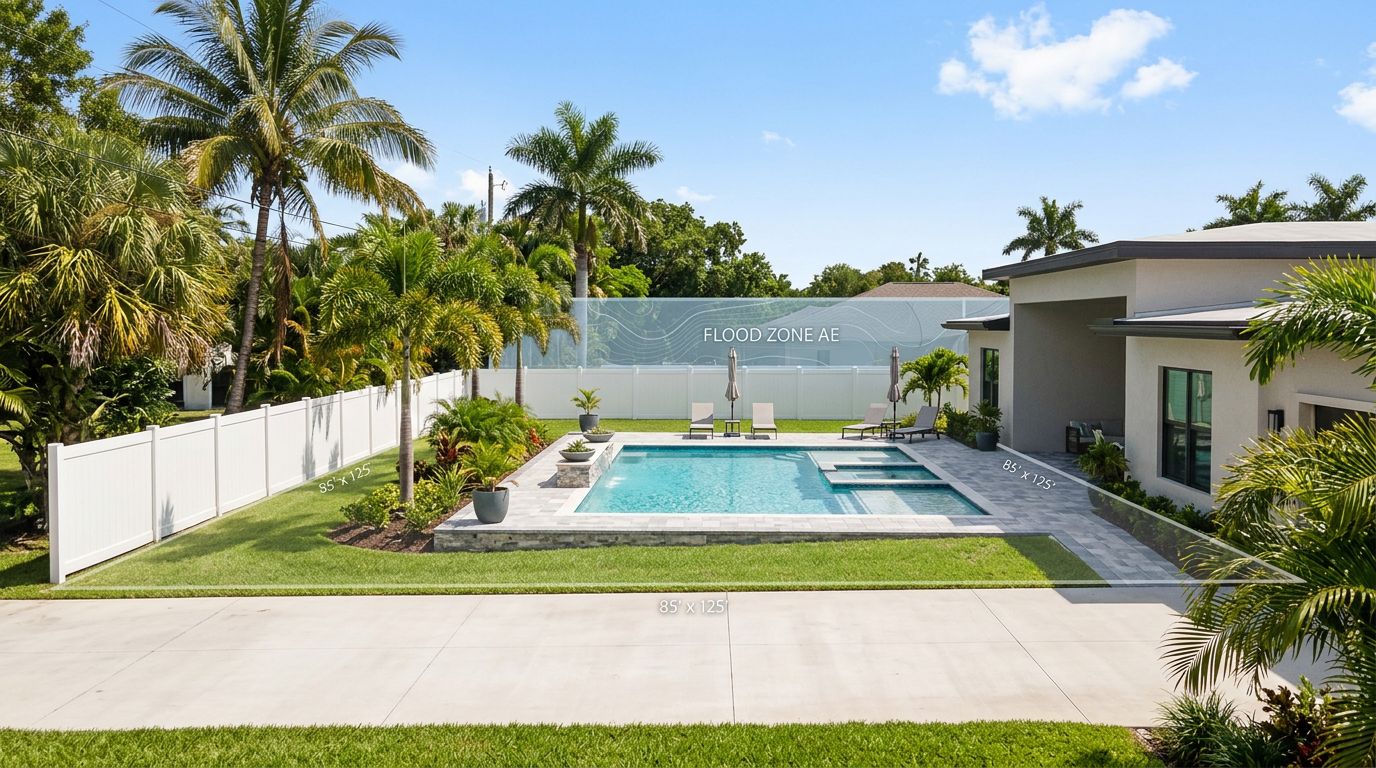
Groundwater and seasonal saturation. A high water table is common in flat, low-lying areas. When the soil stays wet, a standard drainfield may not meet required separation distances. That's when raised systems, imported fill, or an ATU becomes part of the conversation.
Soil type and available drainfield area. Fine sands can behave differently than mixed or disturbed fill. Besides that, you need enough usable space for the drainfield after setbacks, easements, and future pool plans.
Coastal and canal conditions. Waterfront and near-water lots can add constraints, including tighter drainage planning and higher groundwater. If you're building near a canal, it helps to understand how water conditions and setbacks can affect sitework and utilities (see building on Cape Coral canal lots).
System complexity. A basic gravity system is usually the least expensive. Add pumps, control panels, alarms, extra tanks, or treatment equipment, and the installed price climbs.
A useful rule of thumb: if your lot holds water after a normal rain, budget for a higher-cost septic scenario until tests prove otherwise.
Septic system cost ranges in 2026 (low, typical, high)
For 2026 new construction in Southwest Florida, a standard septic install often falls around $3,500 to $8,500 for tank and drainfield work on favorable sites. Once you add testing, permits, possible pumps, fill, and upgrades for wet conditions, your real budget range widens.
The table below shows a practical line-item budget you can use in planning. Numbers are ballpark ranges, because every lot, plan, and county office is different.
| Line item (new construction) | Low (good lot) | Typical (average lot) | High (wet/coastal lot) | What changes the price |
|---|---|---|---|---|
| Soil evaluation / perc (as applicable) | $350 | $650 | $1,500 | Extra borings, lab work, repeat visits |
| Septic layout / engineering | $0 | $600 | $3,000 | Engineered designs for alternatives |
| Florida DOH application and permit | $300 | $500 | $900 | Revisions, resubmittals, special review |
| Tank + drainfield install (standard) | $3,500 | $6,500 | $8,500 | Size, access, depth, material choices |
| Lift pump / pump tank (if needed) | $0 | $1,200 | $2,500 | Long runs, low plumbing elevations |
| Import fill + compaction (raised field) | $0 | $1,500 | $12,000 | Mound build, trucking, compaction needs |
| ATU upgrade (aerobic treatment unit) | $0 | $0 | $10,000 | Treatment requirements on tough sites |
| Electrical hookup for pump/ATU | $250 | $600 | $1,200 | Panel distance, trenching, controls |
| Inspections, as-builts, closeout | $150 | $400 | $800 | Extra inspections, documentation needs |
| First-year ATU service (if required) | $0 | $0 | $800 | Maintenance contract requirements |
| Budget contingency (recommended) | $500 | $1,000 | $3,500 | Unknowns found during excavation |
| Estimated total | $5,550 | $12,950 | $44,700 | Lot conditions drive most overages |
Takeaway: most homeowners should budget a "typical" septic number, then keep a higher scenario in reserve until soil and water conditions are confirmed. That's especially true if you plan to raise the pad, add a pool, or build close to water.
Florida DOH permitting steps and the reports you'll likely need
In Florida, septic is regulated as an OSTDS (Onsite Sewage Treatment and Disposal System) through the Florida Department of Health (usually handled at the county level). You don't want to treat this as last-minute paperwork, because the septic plan ties into your site plan and grading.
A common new construction flow looks like this:
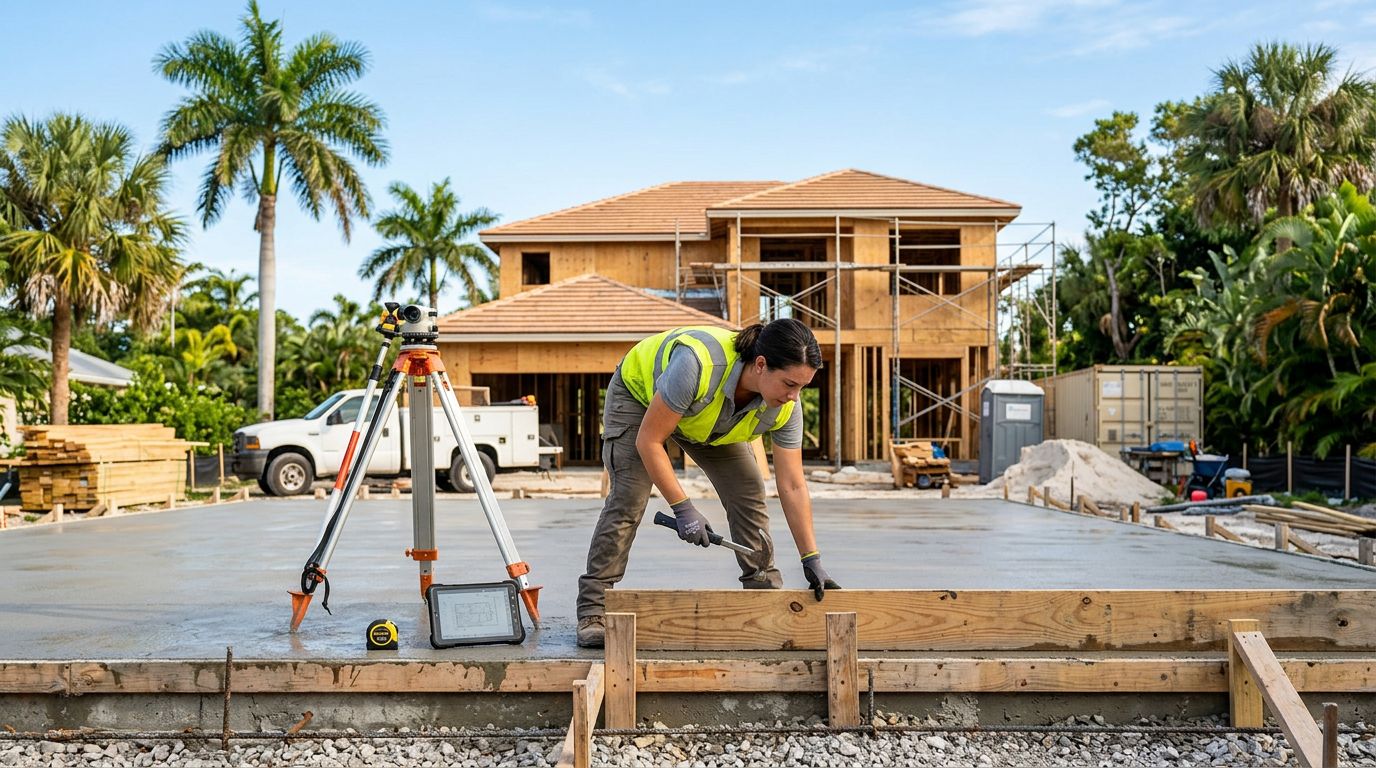
- Site information collected early : survey, proposed house location, and basic bedroom count (which affects system sizing).
- Soil evaluation and seasonal water table review : some sites require a perc-style evaluation, others use soil profiling and separation requirements.
- System selection and layout : standard gravity if allowed, or alternatives like raised systems, drip, or ATUs when conditions demand it.
- County DOH application submitted : expect to provide drawings, soil data, and locations of wells, surface water, and property lines.
- Install and inspection sequence : the drainfield and tank placement typically require inspection before covering.
- Final approval and closeout docs : keep these with your home records for future sales and maintenance.
If you're building with a GC, align septic timing with the full permit and pre-construction checklist (this broader planning view helps: ultimate guide to SW Florida home building).
Budgeting tips that reduce overruns (and what to ask before you sign)
Septic overruns often happen when decisions stack up late: the house shifts on the lot, fill quantities grow, or a "simple" gravity system turns into a pumped or treated system after testing.
Two strategies help most in Southwest Florida:
Lock the site plan early. Septic layout depends on final house placement, driveway, pool, and drainage. Small shifts can force a redesign.
Demand clear backup for each line item. Working with a cost-plus home builder can make this easier when the process includes transparent pricing (itemized bids, visible invoices, and documented approvals). If you want an example of what "open-book" should look like in practice, review open book pricing for Southwest Florida homes.
Questions worth asking your septic contractor or engineer up front:
- What system type are you assuming today , and what test result would force a change?
- Is a pump likely , based on finished-floor height and the stub-out location?
- How much import fill do you expect , and is compaction included?
- What's excluded from your price (permit fees, electrical, engineering, sod repair)?
- How do you protect the drainfield area from trucks and materials during the build?
- If an ATU is required , what's the annual service cost and who provides it?
Finally, use this short checklist to keep the septic scope from drifting:
- Confirm sewer availability before design, don't assume the street has it.
- Order the survey early, then place the home to preserve drainfield options.
- Schedule soil and groundwater evaluation before final site grading.
- Keep heavy equipment off the future drainfield area.
- Separate "standard install" pricing from pumps, fill, and ATU upgrades.
- Carry a contingency until excavation is complete and the inspector signs off.
- Save all permits and approvals with your closing documents.
- Plan access for future maintenance (pumping and service).
Conclusion
Septic isn't the most exciting part of new construction, but it can make or break a budget. In 2026, southwest florida septic costs often stay reasonable on dry, straightforward lots, yet wet conditions can push you into raised systems, import fill, or an ATU. Treat septic like a design decision, not a late trade, and you'll avoid most surprises. If you're building soon, ask for transparent pricing on every septic line item, then keep the high scenario in mind until the soil proves you don't need it.