Stone-Coated Steel vs. Concrete Tile in Southwest Florida
Explore Our Services
Contact Us Today!
(239) 322-9295
A roof that looks right on your home still needs to work with its structure and coastal exposure. Comparing stone coated steel roofing with concrete tile starts with weight, installation details, maintenance, and the complete project cost.
Both materials can suit Southwest Florida homes, but neither is hurricane-proof or the right choice for every property. The complete roof system matters as much as the covering you see.
Start with the differences between the materials, then evaluate how each proposed system fits your home.
How stone coated steel roofing compares with concrete tile
Both options offer textured surfaces and profiles that complement Florida architecture. However, their construction creates different demands for installation and maintenance.
What each roofing material is made of
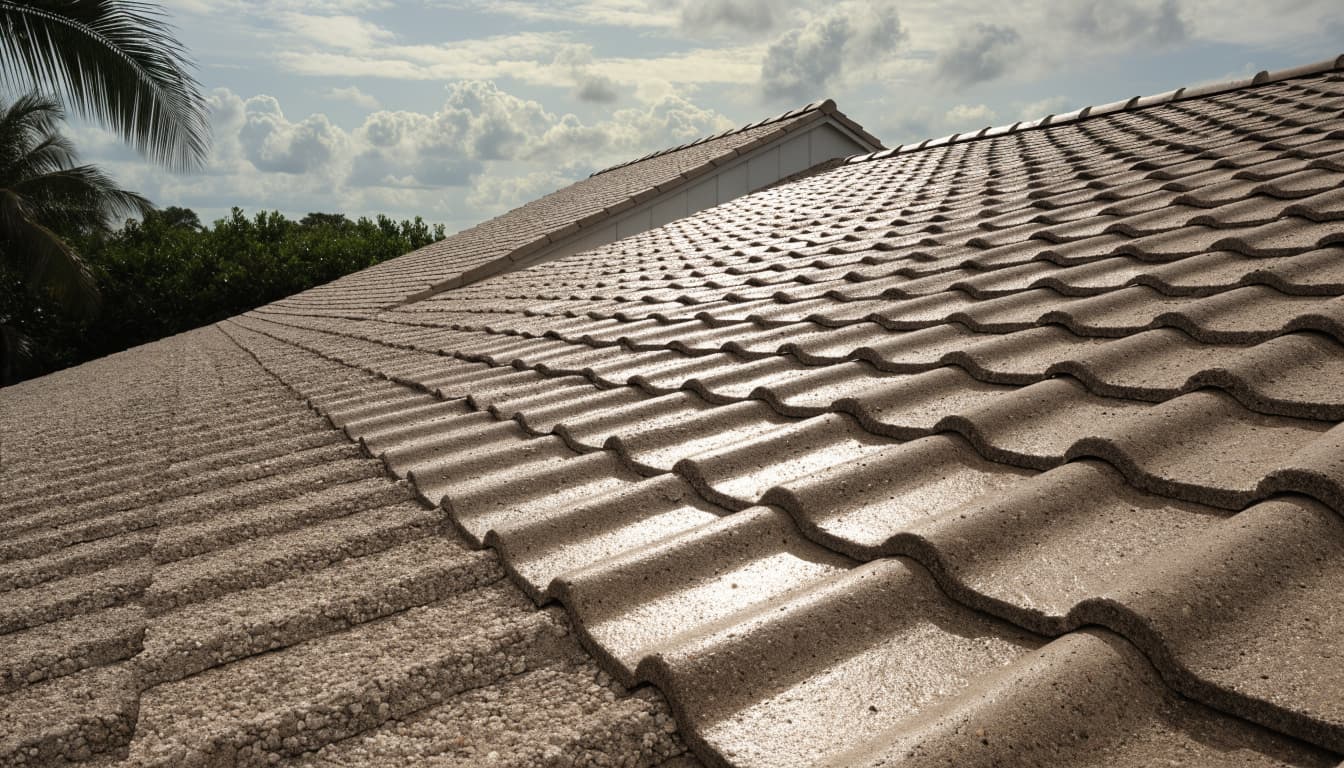
Stone-coated steel uses formed steel panels with protective coatings and a surface layer of stone granules. Manufacturers shape these panels to resemble shingles, shakes, or tile.
Concrete roofing consists of individual molded tiles made with cement-based materials. Available profiles include flat styles and curved shapes associated with Spanish and Mediterranean homes.
The difference affects handling and repairs. Steel panels can dent or suffer coating damage, while concrete tiles can crack under impact or improper foot traffic. Neither material eliminates the need for inspections.
How they look on a finished home
Concrete tile offers substantial depth and pronounced shadows, particularly in curved profiles. Stone-coated steel provides a tile-like or shingle-like appearance with a different panel layout.
Compare full-size samples rather than choosing from a small color chart. Also, view completed roofs with the same profile you're considering.
For a whole-home remodel, coordinate the roof with exterior paint, windows, and planned additions. Check any homeowners association restrictions before committing to a product or color.
Hurricane performance depends on the roof system
A product's advertised wind resistance doesn't describe every roof built with that material. Performance depends on the approved assembly, roof geometry, attachment, and workmanship.
Wind resistance requires property-specific details
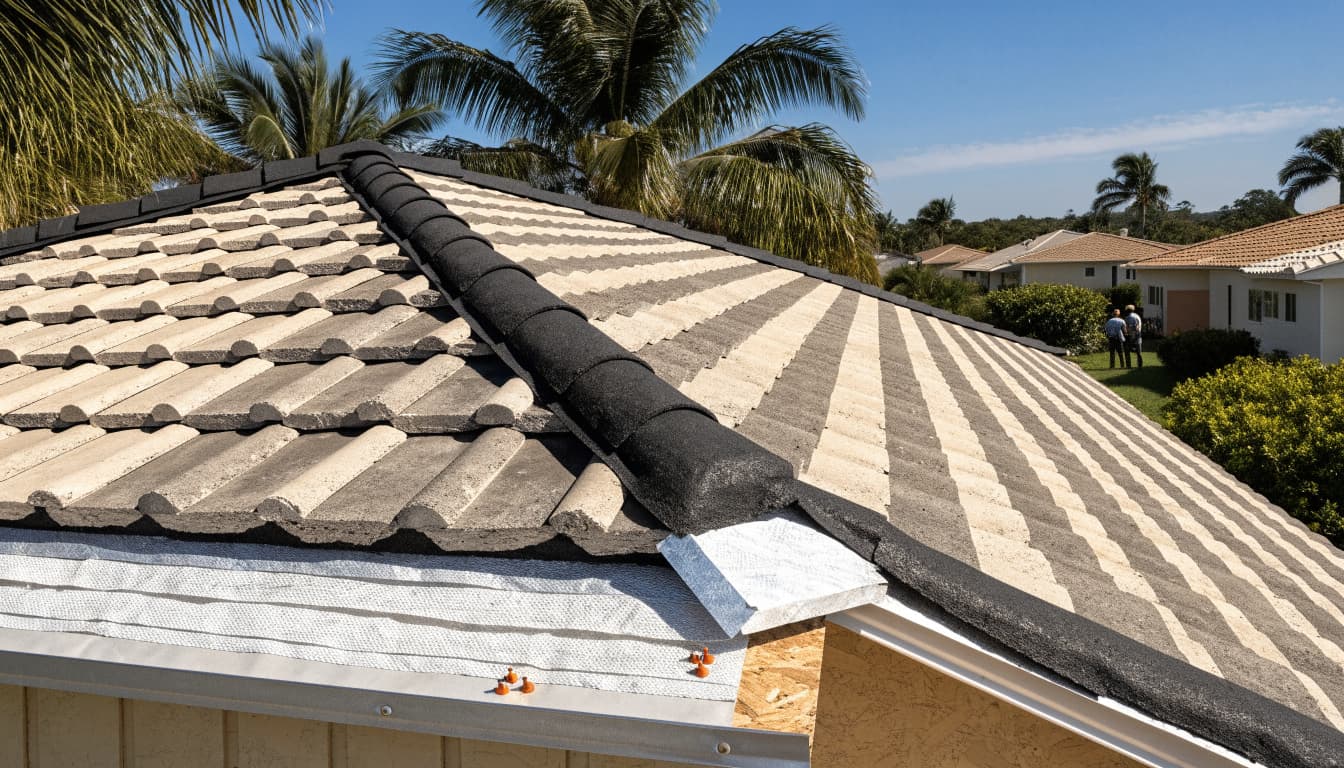
Wind loads vary with location, exposure, building height, and roof shape. Roof edges and corners can require different attachment details because uplift pressures aren't uniform.
For stone-coated steel, panel fastening and connections must follow the selected system's approval. Concrete tile may use mechanical fasteners, approved adhesive systems, or other permitted attachment methods.
For example, the Florida Product Approval for Sanibel Concrete Roof Tile includes multiple attachment approaches and requires design-pressure calculations. That approval doesn't establish one fastening method for every house.
Ask your contractor to identify the applicable approval and explain how the proposed installation meets your property's requirements.
Water protection extends beneath the covering
Underlayment, flashing, and drainage details help manage water beneath either covering. Valleys, wall intersections, and roof penetrations deserve particular attention.
The deck also needs sound material and proper attachment. Fastener type, spacing, placement, and framing penetration affect resistance to wind uplift.
Replacing the visible roof covering doesn't automatically create a secondary water barrier. Have the contractor identify the proposed water-control method in writing.
Good installation also includes appropriate ventilation details and compatible components. These decisions belong in the scope before work begins.
Weight and roof pitch can narrow your options
Stone coated steel roofing generally weighs less than concrete tile, which can matter when replacing an existing roof. However, compare the selected assemblies , including battens and other components, rather than relying on a category label.
Tilcor USA lists its CF Shingle covering at 141 pounds per roofing square. A roofing square equals 100 square feet. That figure describes one product, not every stone-coated steel system or the complete installed roof.
Concrete tile adds substantial weight. When converting a lighter roof to concrete tile, have a qualified professional evaluate the framing and decking. Any required structural work belongs in the budget.
Roof slope can also limit product choices. Tilcor lists a 3:12 minimum pitch for CF Shingle, but other products have different requirements.
Before selecting a replacement, a professional roof condition assessment can identify deterioration and help determine whether additional structural evaluation is needed.
Coastal exposure and maintenance deserve equal attention
Salt air, humidity, wind-driven rain, and nearby vegetation create maintenance demands for both materials. A waterfront property may need different specifications than a sheltered inland home.
Salt exposure affects more than steel panels
Stone coatings don't remove the need to evaluate corrosion protection. Review the manufacturer's requirements for coastal exposure, protective finishes, cut edges, and fasteners.
Concrete tiles don't have a steel core, but their roofs still contain metal components. Flashing, attachment hardware, and other exposed parts need suitable corrosion resistance.
Ask how the contractor will keep metals compatible and prevent avoidable corrosion. Also, review any warranty exclusions related to coastal conditions. A material suitable for one assembly may be unsuitable for another.
Repairs require care with either covering
Concrete tile roofs can develop broken or displaced tiles. Stone-coated steel panels can suffer dents, damaged finishes, or loosened connections.
Avoid walking on either roof unless you're trained to access it safely. Improper foot placement can damage the covering and create additional repair work.
After a storm, missing pieces aren't the only concern. Flashing damage and water entry may need closer investigation. Arrange residential roof repair in Southwest Florida when damage appears, rather than waiting for an interior stain.
Ask whether matching replacement panels or tiles will remain available. Keeping compatible spare pieces can simplify future repairs.
Compare installed costs and written warranties
A material-only price leaves out much of the work that determines your final bill. Neither option is always cheaper once the full installation scope is included.
Compare bids with matching scopes
Request quotes for the same roof area and comparable work. Tear-off, disposal, deck repairs, structural changes, access, and roof complexity can change the total.
Concrete tile may involve additional handling and structural work. Stone-coated steel can require product-specific installation skills and components. The roof's valleys, hips, penetrations, and transitions also affect labor.
Ask each contractor to identify:
- The exact covering, underlayment, flashing, and attachment system included.
- Permit responsibilities, inspection coordination, and any excluded work.
- Unit prices or allowances for concealed deck repairs and other uncertain conditions.
Use the Fort Myers roof replacement checklist to review the scope before signing. Comparing equivalent work is more useful than comparing headline totals.
Warranty length isn't a service-life guarantee
Tilcor describes a 50-year pro-rata weatherproof warranty. Request the current written terms for the specific product and installation you're considering.
A pro-rata warranty reduces coverage according to its terms over time. It doesn't promise that every future repair will be free.
For either material, separate the manufacturer's coverage from the contractor's workmanship warranty. Review transfer rules, exclusions, maintenance obligations, and whether coverage includes labor.
Also, don't assume the covering and underlayment have identical replacement schedules. A durable tile or panel may remain usable while another part of the system needs attention.
Heat and energy use depend on the assembly
Southwest Florida sunshine makes roof temperature an understandable concern. However, neither concrete tile nor stone-coated steel automatically guarantees lower cooling bills.
Color, solar reflectance, installation configuration, attic insulation, and ventilation all influence performance. Ask for product-specific energy information rather than broad claims about metal or tile.
Concrete's thermal mass isn't a substitute for attic insulation. Likewise, a steel panel's light weight doesn't establish how the completed roof will perform thermally.
During a new build or whole-home remodel, coordinate roofing decisions with the insulation and air-sealing plan. For an existing home, investigate attic conditions before assuming a new covering will solve uncomfortable rooms.
Choose the approved roof configuration first. Then evaluate any energy-related features using documented product information and the home's actual conditions.
Confirm code, insurance, and documentation requirements
Florida's eighth-edition building code took effect on December 31, 2023. For your project, confirm the code edition, local requirements, and product approvals that apply when the permit is issued.
Don't assume a nearby home's installation details apply to yours. A Fort Myers property and a coastal Collier County home can have different wind-design conditions.
Ask the permitting authority and a qualified roofing professional which approval documents they require. Florida Product Approval and Miami-Dade Notice of Acceptance documents aren't interchangeable; verify what the jurisdiction accepts for the selected system.
Insurance is another separate check. Before signing, ask your insurer whether the proposed roof affects eligibility, documentation needs, or available credits. Neither material guarantees lower premiums.
A wind mitigation inspection can document qualifying construction features, but the insurer determines how that information affects your policy.
Keep permits, approved plans, product information, final inspection records, and photographs taken before the deck was covered. These records can help with repairs and future insurance discussions.
Key Takeaways: Choose for the House You Have
The choice should follow your home's structural capacity, architectural goals, coastal exposure, and installation budget.
These priorities can help narrow the comparison.
| Your priority | What to evaluate |
|---|---|
| Lower covering weight | The selected stone-coated steel product and complete assembly weight |
| Traditional tile appearance | Concrete tile profiles, structural capacity, and association requirements |
| Waterfront durability | Coastal restrictions, compatible metals, fasteners, and warranty exclusions for either system |
| Storm performance | Site-specific design pressures, approved attachment, deck condition, and water-control details |
For new construction, plan the structure and roofing system together. For a replacement, evaluate the existing structure before choosing the covering.
Ask for experience with the exact product being proposed. A contractor's familiarity with one type of metal roofing doesn't automatically establish experience with stone-coated steel panels.
A Roof Choice Built Around Your Home
Stone coated steel roofing and concrete tile can both work in Southwest Florida when the selected system suits the house. Lower weight may favor steel, while concrete tile may better match your architectural plans.
Make the final choice around the complete installation , with clear specifications, realistic maintenance expectations, and documented approvals. Confirm local and insurance requirements before work begins.
The roof that looks right should also have a well-supported plan beneath it.