Why a New Front Door Sticks in Estero's Humid Weather
Explore Our Services
Contact Us Today!
(239) 322-9295
A sticking door in a new home can be a problem after humid weather because wood absorbs moisture and expands, or because the door and frame have shifted out of alignment. Loose hinges, paint buildup, and threshold interference can also make a door hard to close.
The location of the rub is an important clue . Before sanding or changing hardware, look at the gaps around the door and consider whether the problem appeared after rain.
A few observations can help you decide whether to make a minor adjustment or contact your builder.
Key Takeaways
- A timber door can swell in humid weather and shrink as it dries, so seasonal rubbing doesn't automatically mean the frame has moved.
- A top-corner rub often points to a loose hinge, while contact at the threshold can involve the sweep, floor, or frame.
- Wet trim, worsening cracks, or several misaligned openings deserve professional attention.
- Contact your builder before altering a door that's still under warranty.
Why Humidity Affects a New Front Door
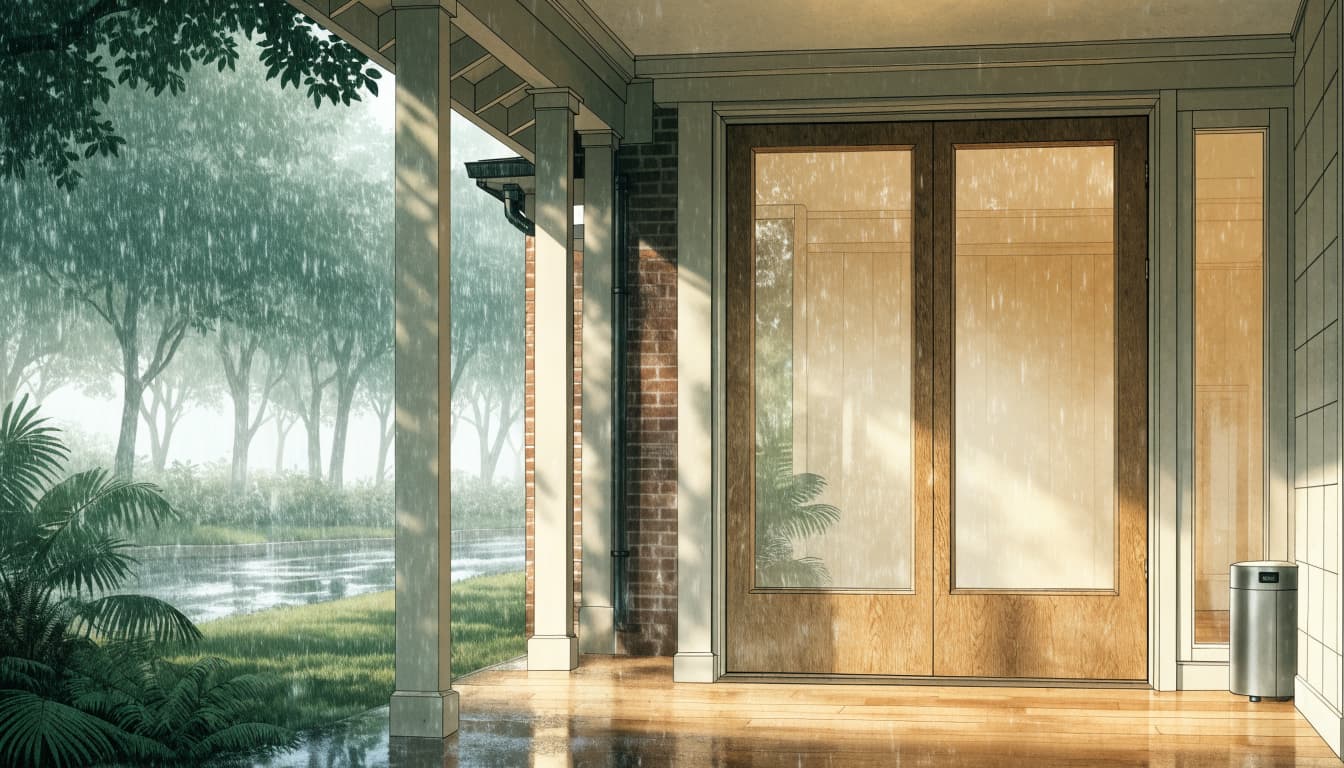
Estero's humid air and frequent rain expose entry doors to changing moisture levels. A timber door absorbs moisture and expands, then shrinks as it dries. It may rub during a humid spell but close freely during warm, drier weather.
Indoor conditions matter, too. Cooking, showers, laundry, and drying construction materials can add moisture inside a new home. Air conditioning removes some humidity, but a house can still feel clammy if the system doesn't run long enough to remove moisture.
A door that sticks after rain isn't necessarily swollen from humidity alone. Water reaching an unfinished door edge or leaking around an opening can also cause trouble. Look for damp trim, staining, peeling paint, or a musty smell before treating the problem as seasonal movement.
Fiberglass and vinyl resist moisture better than traditional wood, but they can still stick if hinges loosen or the frame moves. Even a new installation may need adjustment once it has been through changing conditions.
Find Where the Front Door Is Sticking
To locate where the sticking door rubs, open and close it slowly without forcing it. Watch the space, called the reveal , between the slab and the door frame. Look for a shiny rub mark, a scuffed finish, or an area where the gap narrows.
Many doors have a side and top reveal in the range of 1/16 inch to 1/8 inch. The exact clearance and the gap at the threshold depend on the door and its installation instructions. Use the range as a visual reference, not a reason to cut the door.
Rubbing at the top or sides
A door that rubs at the upper corner on the latch side may have sagged at its hinges. If it rubs along much of the latch-side edge during humid weather, swelling or an uneven frame may be involved.
Look along the hinge side, too. A door that binds there may have shifted toward the jamb or have a hinge that isn't seated correctly. Uneven gaps across the top or down either side are worth documenting.
Dragging at the threshold
First, identify what touches the bottom. A door sweep may brush the threshold by design, while the door slab itself should not scrape hard against the sill or finished floor.
A bottom rub near the latch side can result from a sagging hinge. It can also point to a threshold, floor, or frame problem. Note whether the threshold looks raised or the floor finish has lifted, and share that information with your builder.
Tell Hinge Trouble From Frame Movement
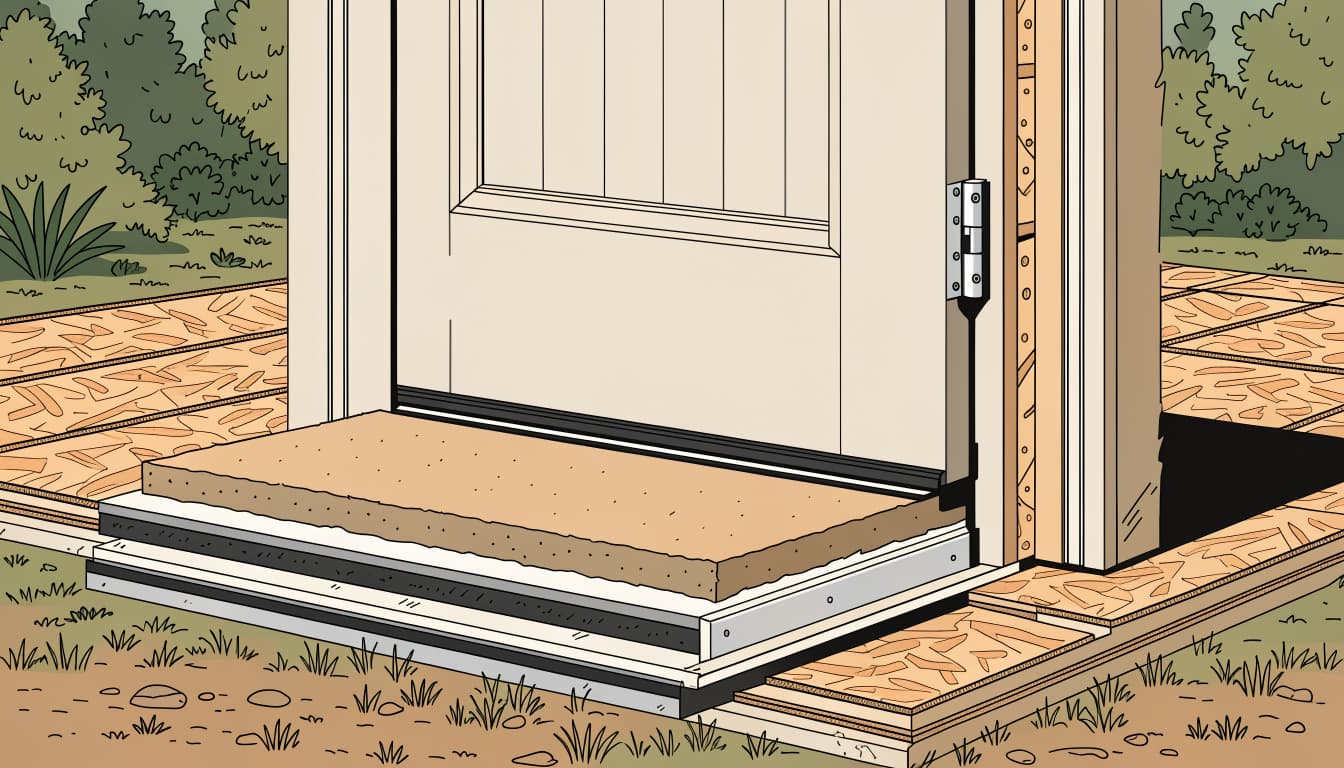
A simple hinge test can help narrow the cause. With the door partly open, gently lift the doorknob while watching the door hinges. If the door moves upward or the hinge plates shift against the wood, loose screws or a worn attachment may be involved.
If lifting the knob improves the latch-side gap, that also points toward sagging. It doesn't prove the frame is sound, though, so look at the full opening before making a repair.
Inspect the top hinge first
Stripped hinge screws often show up at the top hinge because it carries much of the door's weight. Check whether the hinge leaf sits flat in its recessed pocket, called a mortise. Also look for screws that turn without tightening or a mortise that appears enlarged.
Use a hand screwdriver to snug loose screws without overtightening them. If a screw won't hold, a repair may require restoring the hole or using an appropriate replacement screw. For a heavy entry door under warranty, let the builder handle that work.
Look for changes in the opening
If the hinges are secure but the gaps remain uneven, the frame itself may need adjustment. A level can help reveal whether the jamb is plumb and show how door alignment has changed. A professional can assess whether the entire opening is level and square.
Photograph the gaps before and after wet weather. Also note any new cracks, flaking paint along the frame, or nearby windows that have begun sticking. Those details help distinguish an isolated door issue from movement affecting a larger area.
Control Moisture Before Removing Material
Use a hygrometer to monitor indoor humidity when the door sticks and when it operates normally. The readings give your builder or HVAC professional useful context, especially if the home also feels damp or has recurring condensation.
Keep the air conditioner operating normally. A dehumidifier may help if indoor moisture remains elevated, while damaged weather stripping or a worn door sweep can allow humid outdoor air inside. Replace damaged seals with compatible parts rather than adding layers that make the door harder to close.
Don't leave the door open as a routine drying method during rainy weather. That can bring more humid air into the house. Our guide to indoor humidity and window condensation explains other signs worth watching.
For a wood door, a complete exterior finish helps limit moisture absorption. Exposed edges, including the top and bottom, need the finish specified for the product. Ask the builder to address unfinished or damaged areas while the door is under warranty.
Address Paint, Hardware, and Minor Rubbing
Remove paint buildup carefully
A thick coating along a door edge or jamb can create friction even when the door is aligned. Look for a ridge or a patch where coated surfaces appear to stick together.
If the builder has cleared the repair, use a scraper or fine sandpaper to remove the buildup without gouging the surface. Wipe away dust, then apply a thin layer of paraffin wax or a small amount of silicone spray to the contact area. Avoid coating the weather seal or surrounding finishes.
Creaking hinges may need a drop of suitable oil at the hinge pin. Graphite lubricant can help some keyed locks, but follow the lock manufacturer's directions because different cylinders call for different lubricants.
Leave trimming until the cause is clear
A professional may use a plane, saw, or sander to relieve a timber door that still rubs after alignment and moisture issues are addressed. The repaired edge should be smooth and properly refinished.
On a new entry door, we recommend letting the builder or a door professional decide whether trimming is appropriate. Removing material can create a gap when the wood dries, expose unfinished wood, or affect the warranty. Fiberglass, steel, and rated doors may have restrictions on cutting.
If the door closes freely but the latch rubs the strike plate, tightening the plate or adjusting it may help. A professional can file a minor interference when appropriate. Don't enlarge or relocate hardware on a rated door without following the approved installation instructions.
Recognize Signs of a Frame or Floor Problem
A sticking door alone doesn't establish structural damage. However, widening gaps, a frame that looks twisted, or cracks that grow over time deserve more attention than a single seasonal rub.
Settlement and support concerns
Soil settling beneath a home can shift part of a frame out of square. Where a home has wood framing beneath an opening, water damage or termite activity can damage a sill plate or joist and allow the floor to drop.
Removing a load-bearing wall without proper support can also leave floor joists sagging. These conditions don't apply to every home, and many Estero homes have slab foundations. The construction type matters when a professional investigates the cause.
Nearby openings can offer useful clues. Our article on door and window alignment near an addition covers signs to watch around a slab connection.
Water damage or worsening movement
Contact the builder promptly if sticking comes with wet trim, peeling paint, stains, soft material, or musty odors. Rainwater can enter around an opening even when the visible finish appears intact.
Also report difficulty latching, enlarging hinge mortises, fresh frame cracks, or gaps that continue to change. If the floor or structure visibly sags, keep people away from the affected area and request a professional assessment rather than attempting a cosmetic fix.
When to Call the Builder or Consider Replacement
Start with the warranty
For a new home, report the issue to your builder in writing while the warranty is active. Include photos of the reveal and rub marks, when the problem began, and whether it changes after rain. Keep a record of your communication.
Avoid planing the slab, altering the threshold, or removing trim before the builder has assessed it. Those changes can hide useful evidence and may affect coverage. If the door won't open or close securely, say so when you report the problem.
Decide whether repair is enough
A sound door with loose hardware or a frame that needs adjustment can often be repaired. Entry door replacement is more reasonable when the slab has significant warping, damage, or separation, or when the frame cannot be corrected reliably.
On a panel door, a growing gap at the top or rubbing at the floor on the latch side can indicate sagging or separation. Gently lifting the doorknob may help the sections align temporarily. If the panel joints are failing, a professional can determine whether repair or replacement makes sense.
For replacement, a professional checks that the frame is level, plumb, and square. The installation should include the specified insulation around the opening and compatible hardware, including a reinforced strike plate where called for. In Southwest Florida, the door assembly and its installation also need to match applicable wind and product approval requirements.
We provide new home construction in Estero and understand how much an entry door depends on the surrounding opening.
Common Questions About Sticking Doors
Why did my front door become hard to close suddenly?
A change in humidity can make a tight-fitting wood door rub. A loose hinge screw, shifted threshold, or water reaching the door can also cause a sudden change. Look for the contact point and signs of moisture before choosing a fix.
What if French doors stick at the bottom?
Check which door leaf rubs and whether the slab, sweep, or threshold is making contact. French doors depend on the alignment of both leaves, so a change to one can affect how they meet. A builder or door professional can assess the hinges, frame, and hardware together.
Get the Door Working Without Guesswork
A front door sticking after humid weather may need a small hinge adjustment or better moisture control. The rub location and the condition of the surrounding frame help narrow the cause.
For a new home, start with the builder before removing material or changing the assembly. A documented inspection gives you a better path to a lasting repair.