Stucco Matching for Southwest Florida Room Additions
Explore Our Services
Contact Us Today!
(239) 322-9295
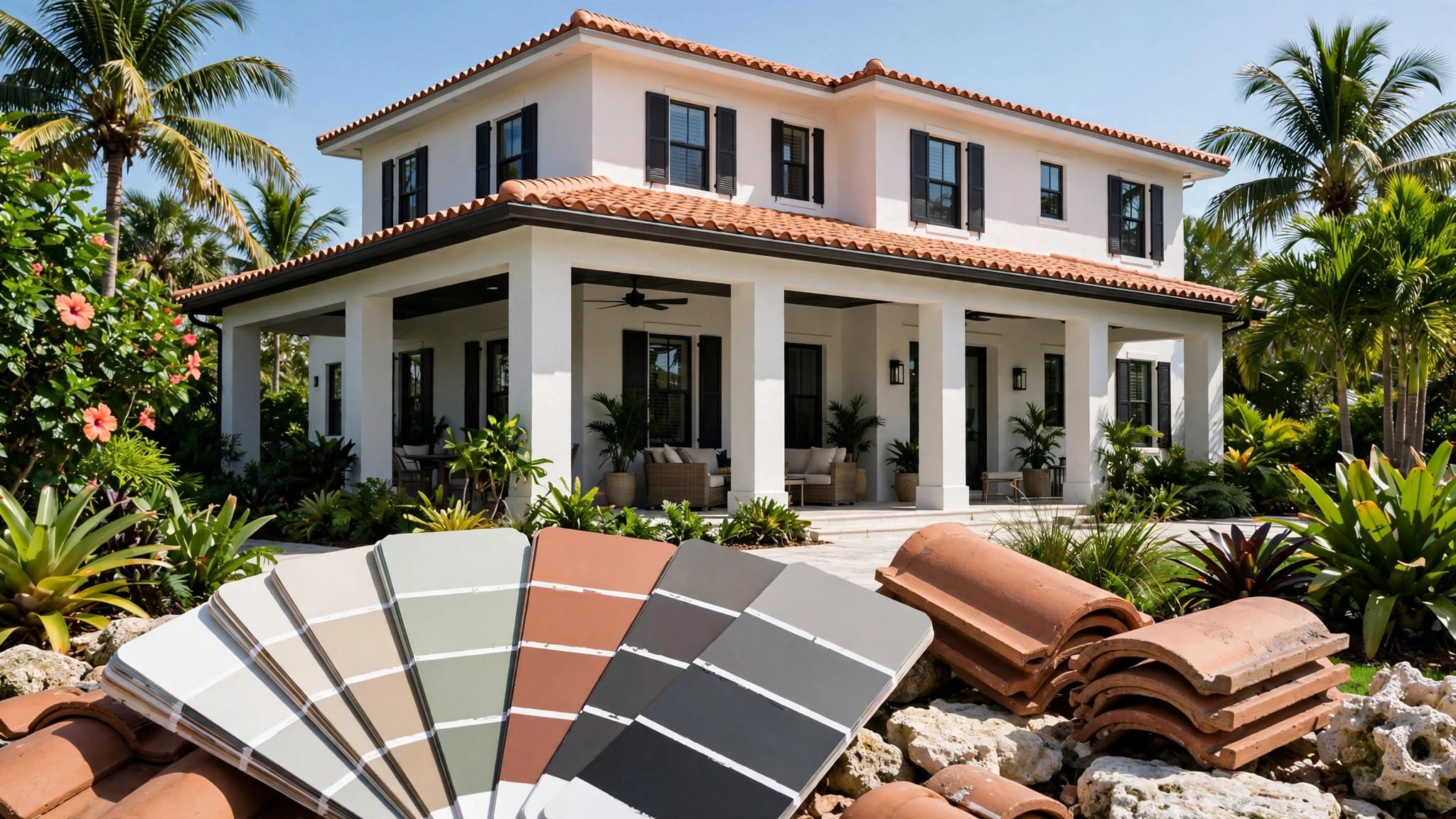
Matching stucco on a Southwest Florida room addition starts with the existing wall's texture, finish, and color. The most useful approval point is a completed sample patch beside the exterior you plan to keep.
A paint chip can't show whether the new surface has the same pattern or appearance in sunlight. For your addition to blend in, coordinate the finish selection with the wall transitions before work reaches the final coat.
Start by deciding which existing surfaces will guide the match and where the new work will end.
Key Takeaways
- Compare texture and color separately, then approve them together on a finished sample.
- Judge the match beside the existing house in both direct sunlight and shade.
- Keep necessary movement joints and water-control details in the design, even when you want an uninterrupted appearance.
A clear written scope should identify the reference wall, approved sample, and boundaries of the finished work.
Start With the Existing Wall
Choose the surface you're matching
Walk around the addition's connection points with your contractor. Identify the wall that will remain visible beside the new stucco, rather than choosing a convenient reference elsewhere on the house.
Record previous repainting, visible repairs, and differences between elevations. The color recorded when the house was built is useful background, but the approval target should be the surface you intend to retain.
For an older home, the wall's age belongs in that discussion. Matching an existing finish and creating a newly coordinated exterior are different scopes, so settle that choice early.
Define the full exterior scope
Decide whether the project includes only the addition, the adjoining wall, or a broader exterior repaint. Without that boundary, the contractor and homeowner may be working toward different results.
Also consider the addition's overall shape. Our guide to matching an addition's roofline explains why wall finishes alone can't resolve a roof connection that looks out of place.
A coordinated plan gives the stucco work a clear setting instead of treating it as an isolated finishing task.
Compare Stucco Texture Before Choosing Color
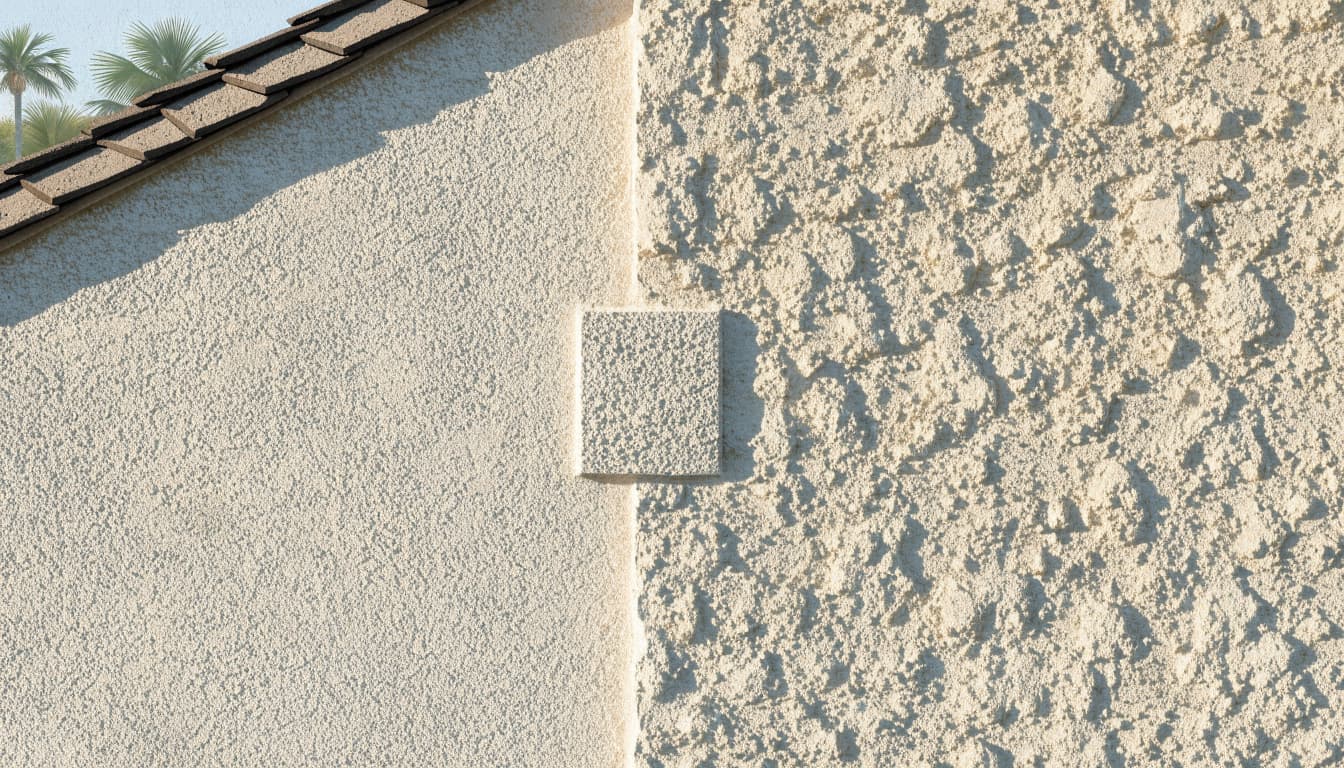
Texture deserves its own approval. Two surfaces can have similar colors yet look different because their patterns catch light differently.
Look beyond the finish name
Terms such as sand finish or lace texture provide a starting point, but they don't describe every visible detail. Compare how fine or coarse the surface looks, how closely the raised areas sit together, and whether the pattern has a noticeable direction.
Ask your contractor to describe those features beside the actual wall. Photographs can support the conversation, but they shouldn't replace an on-site comparison.
Pay attention to previous repairs, too. A repaired area may be a poor reference if it already differs from the surrounding finish.
Review the wall at normal viewing distances
Examine the texture close up, then step back to the yard, driveway, or lanai where you'll usually see it. A pattern can look convincing nearby while creating a different overall appearance across a larger surface.
Compare the finished face as well as the individual texture marks. Smooth-looking areas between raised portions, pattern density, and visible transitions all contribute to the result.
Have the contractor identify the details they intend to reproduce before approving the texture sample.
Select Color for the Wall You'll Keep
Establish the color reference
Bring any existing paint records into the discussion, including the product name and color information if available. Treat those records as background rather than the final approval.
Next, identify whether the match involves painted stucco or a colored finish coat. That distinction belongs in the scope because the finished sample should represent the proposed exterior system.
Keep texture and color decisions connected. Approving a color on a smooth card doesn't establish how that color will look on the selected stucco finish.
Compare sunlight and shade
Southwest Florida homeowners should assess samples under the lighting conditions the addition will receive. Look at direct sun, shade beneath an overhang, and the view where the old and new walls meet.
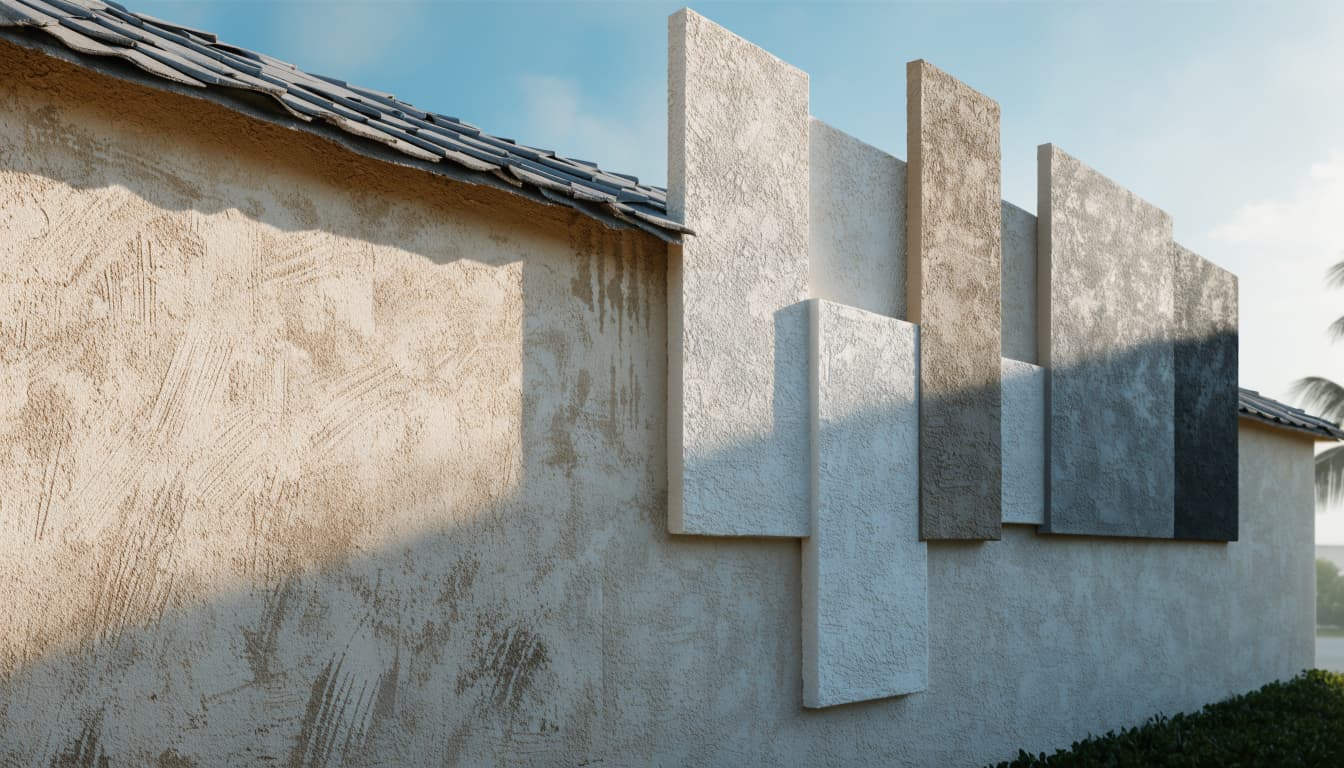
Compare sun-facing elevations with shaded walls instead of assuming one reference area represents the entire house. Keep the existing wall and sample in the same view whenever possible.
If the match looks acceptable in one condition but distracting in another, resolve that difference before expanding the work. Choosing between another sample and a broader finishing scope is easier at this stage.
Use Sample Patches as the Approval Point
A useful sample shows the proposed texture and final color together. For stucco matching, a loose swatch or an unfinished patch leaves too much undecided.
Agree on what the sample represents
Before the contractor prepares a sample, identify its location and the finished work it will represent. It should allow a meaningful comparison with the existing exterior without creating confusion about the project's boundaries.
Ask whether the sample includes the intended finish and coating. If any visible part remains unfinished, postpone the appearance decision until the sample represents the proposed result.
Also decide what happens to rejected samples. That detail belongs in the scope so test areas don't become an unresolved part of the finished wall.
Record approval before continuing
Review the completed, dry sample in person with your contractor. Identify what you accept and what still needs adjustment, using clear descriptions rather than "close enough."
For example, discuss whether the pattern is too coarse, the surface looks too smooth, or the color differs beside the reference wall. Specific feedback gives the next sample a clear purpose.
Approve texture and color on the same completed sample. Separate approvals can leave you without an agreed example of the finished appearance.
Record the accepted sample's location and finish information in the project documents. Keep it available as the reference while the remaining exterior work proceeds.
Keep Wall Joints and Water Details in the Plan
An attractive match also depends on how the addition connects to the house. Surface appearance shouldn't override the wall assembly's movement and water-control requirements.
Preserve necessary separations
Different materials can move differently as heat and moisture conditions change. Where an expansion joint occurs in the base wall, the stucco system should continue that separation rather than bridge it.
Depending on the approved wall-system design, a transition may require a two-piece expansion joint or another approved detail. A continuous-looking finish isn't a reason to cover a necessary separation.
Our explanation of stucco details for home additions discusses these transitions. Coordinate their locations while reviewing the exterior appearance, before the final finish becomes the focus.
Coordinate movement with water control
A joint can accommodate movement and still need protection against wind-driven rain. Sealant, backing materials, flashing, and drainage details must work with the selected wall assembly.
ASTM C1063 provides installation guidance for lath-supported cement plaster. Its panel-layout guidance shouldn't be transferred to the structural masonry underneath.
For homeowners, the practical question is how the proposed connection handles both movement and water. Ask the contractor to explain the visible joint and its relationship to the wall design.
The finished appearance should follow that coordinated detail rather than conceal it.
Questions to Ask Your Stucco Contractor
Bring these questions to the finish-planning discussion. They help turn a general request to "match the house" into a defined scope.
- Which existing wall area will be our reference for texture and color?
- What texture characteristics will you reproduce, and how will the sample show them?
- Will the sample include the final coating or colored finish, and where will we review it?
- Where will the new finish stop, and does the proposal include adjoining walls?
- How will the connection accommodate movement and manage water?
- How will we document approval and handle samples that don't match?
Ask for the answers to appear in the proposal or related project documents. The scope should distinguish sample work, final finishing, and any broader exterior work you select.
Before work expands beyond the approved sample, both parties should understand what appearance they accepted and which surfaces it covers.
Frequently Asked Questions About Stucco Matching
Can matching paint hide a different texture?
Matching paint alone can't establish a texture match. The surface pattern remains visible, and its raised and recessed areas affect how the wall looks in changing light.
Compare the proposed texture before relying on color to bring the surfaces together. If the sample's pattern differs noticeably beside the existing wall, address that difference directly.
Should we repaint the existing house too?
That depends on the visual boundary you want and the condition of the surfaces you intend to keep. Repainting adjoining walls creates a broader finishing scope than matching only the addition.
Make that decision before approving the sample. Otherwise, a sample selected for a retained wall may no longer represent the final project.
Should every connection disappear beneath the finish?
No. A building separation needs an exterior detail that accommodates its intended movement. Covering it for appearance can conflict with the wall design.
Discuss the location and appearance of required joints early. They can be part of the planned exterior rather than an unexpected detail at completion.
Make the Sample the Standard
A convincing stucco match begins with a clear reference wall and ends with work measured against an approved sample . Texture, color, and viewing conditions belong in that decision together.
Our room addition services focus on spaces designed to complement your existing home. Bring the exterior finish into those early planning conversations.
Before approving the remaining stucco work, settle the sample, finish boundaries, and connection details. Those decisions give everyone a shared standard for the completed addition.