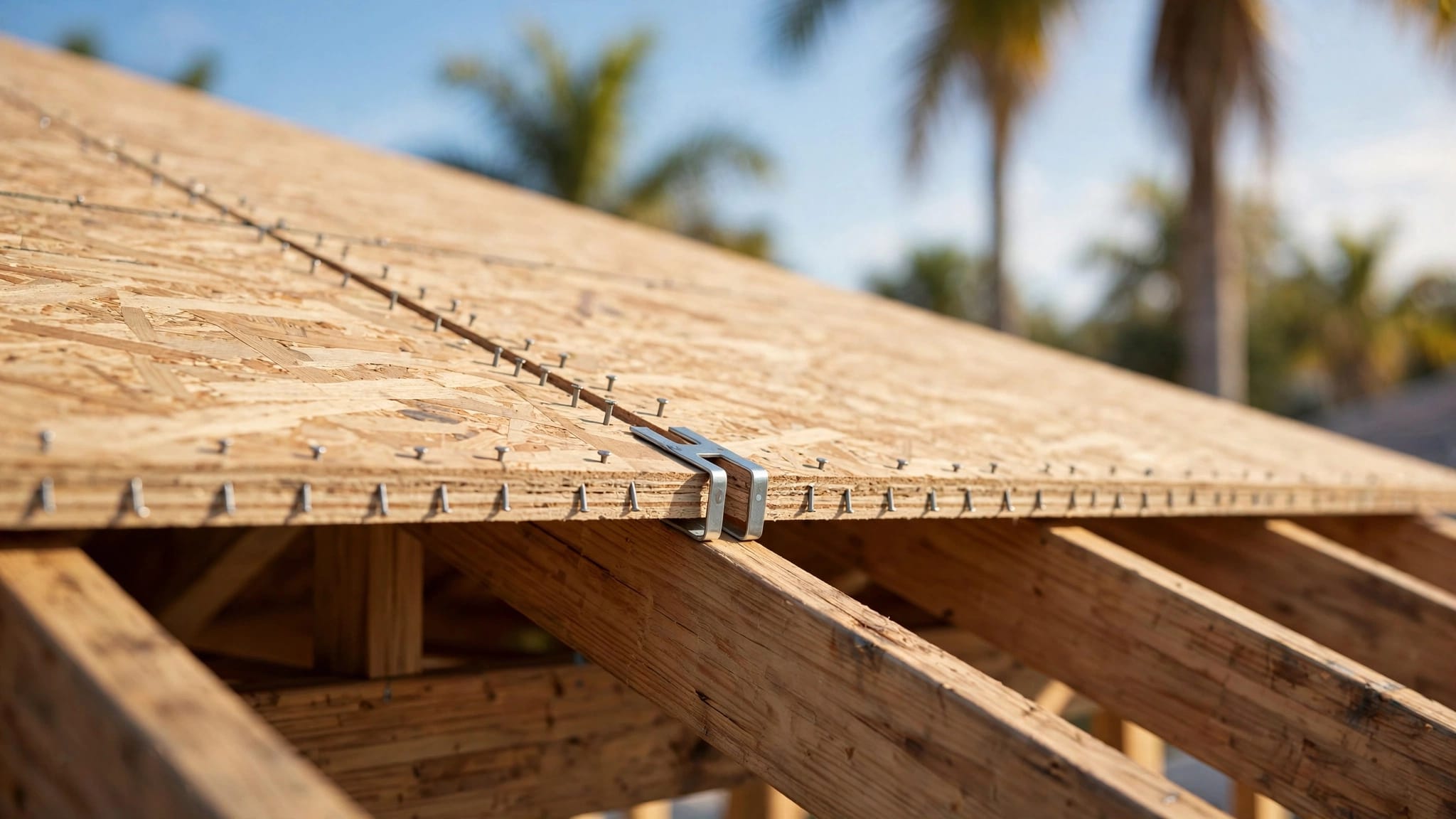
TPO Roof Seam Repair for Cape Coral Low-Slope Additions
Explore Our Services
Contact Us Today!
(239) 322-9295
A low-slope addition can look dry from the yard while water works its way beneath a single lifted seam. In Cape Coral, intense heat, wind-driven rain, and sudden storms test every joint in a membrane roof.
TPO roof seam repair stops water at the connected edges of the roofing membrane before moisture reaches insulation, roof decking, walls, or finished rooms below. A prompt inspection is usually far less disruptive than waiting for a ceiling stain or soft drywall to appear.
The right repair depends on the condition of the membrane, the roof's drainage, and the details where the addition meets the original home.
TPO Roof Seam Repair Starts With Understanding the Roof
TPO, short for thermoplastic polyolefin, is a single-ply roofing membrane often installed on low-slope roof areas. Contractors roll out wide sheets, overlap their edges, and heat-weld the laps to form watertight seams.
Unlike a shingle roof, a TPO roof relies on broad membrane fields and carefully finished details. The seams, perimeter edges, flashing, drains, and penetrations all need to work together.
Why membrane seams can open
A properly welded seam fuses two layers of compatible TPO. However, age, installation defects, debris abrasion, trapped moisture, and movement can weaken a joint.
Cape Coral sun heats a roof surface day after day. Then heavy rain cools it quickly. That repeated expansion and contraction can stress seams, especially where the membrane changes direction or meets another material.
High winds can also pull at perimeter edges and corners. If wind-driven rain reaches a loose lap, water can travel beneath the membrane well beyond the visible opening.
Additions create extra transition points
Low-slope additions often connect to an existing wall, a higher roof, a screened enclosure, or a different roofing material. Each transition needs a properly integrated flashing detail.
The connection between the addition and the original structure deserves close attention. A leak at this junction can appear indoors several feet away from its actual entry point.
For homeowners planning a new space, Cape Coral home addition services can help coordinate the roof transition with the rest of the build rather than treating it as an afterthought.
Signs a Low-Slope TPO Roof Needs Attention
A roof leak doesn't always announce itself with a steady drip. Many seam failures allow small amounts of water inside during hard, wind-driven rain, then appear dry again once the weather clears.
Watch for changes after a storm, especially if the addition has a finished ceiling, electrical fixtures, or cabinets below it.
Clues inside the addition
Brown ceiling rings, bubbling paint, peeling trim, and a musty smell all warrant a roof inspection. A damp spot that grows after rain may point to an active leak, but its location doesn't confirm the failed seam.
Water can follow framing, insulation, or the underside of the roof deck before it becomes visible. Therefore, the source may be uphill, near a wall flashing, or around a pipe penetration.
If drywall begins to sag, water reaches an electrical fixture, or active dripping starts, move belongings away from the area and contact a qualified contractor promptly.
What a professional looks for outside
Roof professionals examine open laps, punctures, wrinkles, edge metal, drains, scuppers, and flashing. They also check seams around HVAC lines, plumbing vents, skylights, and other penetrations.
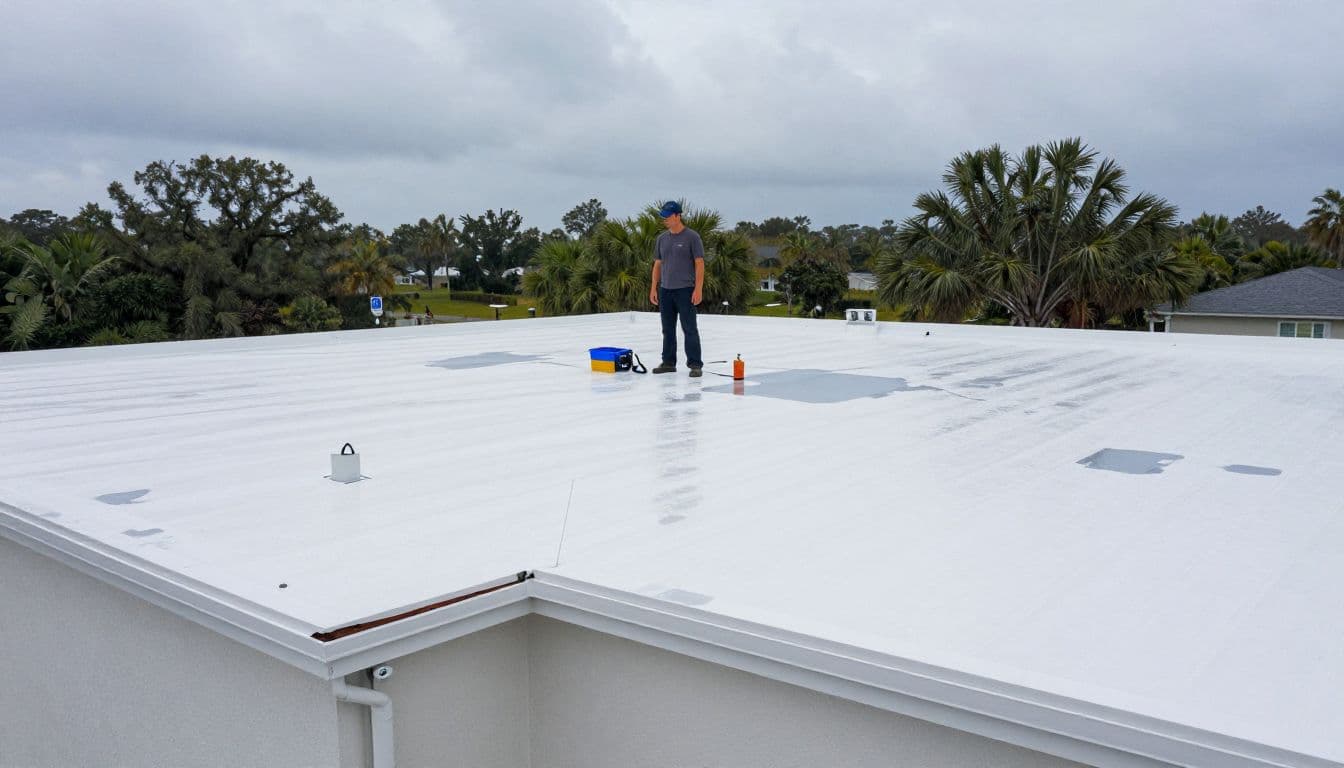
Ponding water deserves attention when it remains after the roof has had time to drain. Standing water can collect debris, hide damage, and keep a weak detail wet longer than intended.
Avoid climbing onto a wet, low-slope roof to inspect it yourself. Membrane surfaces can become slick, and stepping in the wrong place can damage the roof or create a fall hazard. Schedule Cape Coral roof inspections for a clear assessment.
How Professional TPO Roof Seam Repair Works
A lasting repair starts with finding the actual source of water entry. Applying caulk over a visible gap may hide the problem briefly, but it won't correct wet insulation, a failed flashing detail, or an improperly welded lap.
The repair area must also be clean, dry, and compatible with the existing membrane. Roofers assess the membrane's age and condition before choosing the repair method.
Inspection, moisture checks, and surface preparation
First, the roofer traces the roof layout and checks the suspected seam with a seam probe. This tool helps identify loose sections after the weld has cooled. The inspection also includes nearby details because damage rarely follows a neat line.
When water has traveled beneath the membrane, the contractor may need to inspect insulation and decking for moisture or deterioration. Repairing only the top layer can leave saturated materials trapped below.
Next, the crew removes dirt, oxidation, and loose material from the repair zone. Proper cleaning matters because a patch or re-weld needs a sound surface.
Welding patches and reinforcing details
When the original membrane remains in good condition, a roofer may heat-weld a compatible TPO patch over a puncture or failed seam area. The patch extends beyond the damage and receives rounded corners, which reduce stress at sharp points.
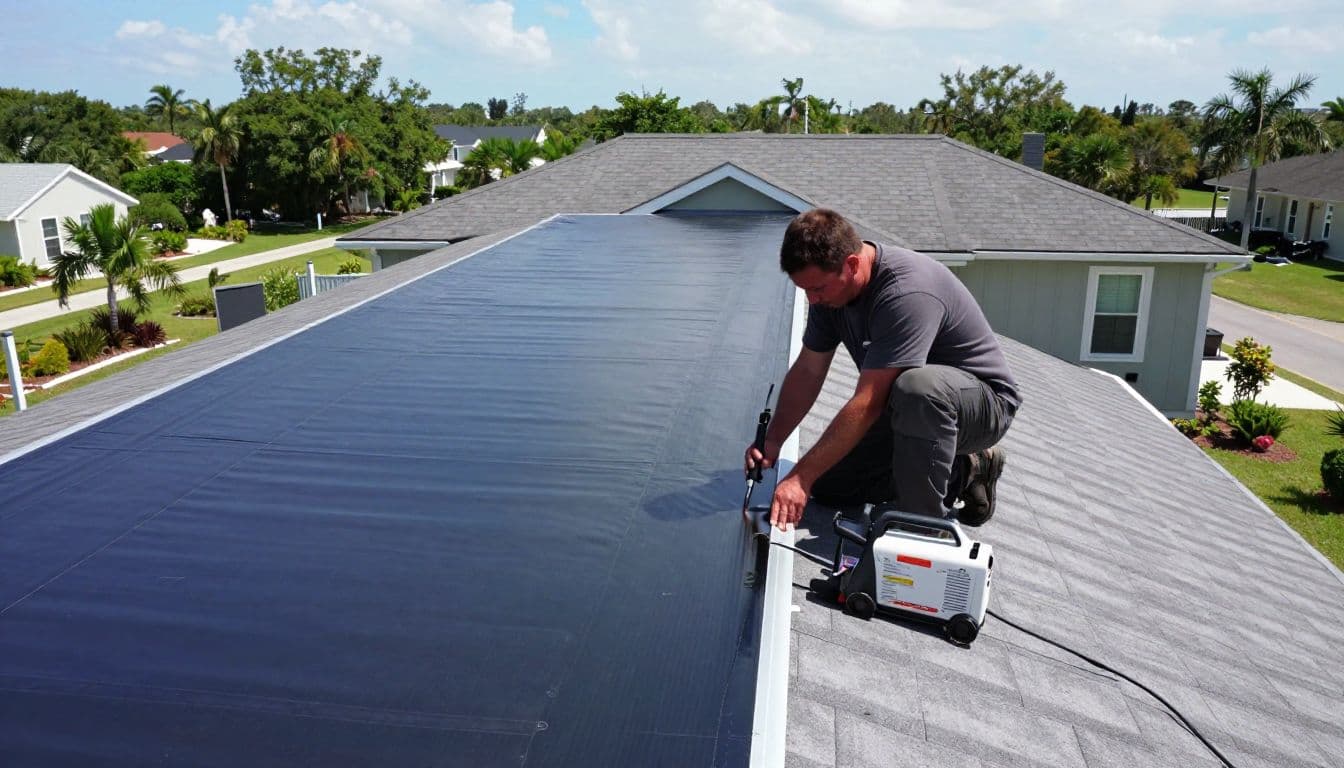
For a seam with a limited defect, the contractor may re-weld the open portion after proper preparation. Flashing at walls, edges, and penetrations may need reinforcement with new membrane and manufacturer-compatible accessories.
A dry roof surface after a storm doesn't prove the roof is sound. Water can remain beneath a membrane or travel along the deck before showing up indoors.
A qualified crew tests repaired seams before leaving the job. That final check matters because TPO seam repair relies on heat, pressure, timing, and clean materials.
Flashing, Penetrations, and Drainage Need Equal Care
A seam is only one part of a low-slope roofing system. Water often enters where the flat roof meets a vertical wall or where equipment and pipes pass through the membrane.
These details receive more movement and water exposure than the center of the roof field.
Wall flashing and roof edges
Wall flashing directs water away from the point where the roof terminates against siding, stucco, masonry, or another vertical surface. Failed termination bars, separated counterflashing, and cracked sealant can allow rain behind the membrane.
At roof edges, wind uplift can loosen metal edging or stress the membrane attachment beneath it. A contractor checks these areas during TPO roof seam repair because water often finds the path of least resistance.
Pipes, equipment, and ponding areas
A penetration needs a flexible boot or fabricated flashing that fits tightly around the pipe or conduit. Sun exposure can age these components, while movement from equipment can work the membrane loose.
Drain bowls, scuppers, and low spots deserve close inspection as well. Leaves, roof granules from nearby shingles, and dirt can slow drainage. Clearing surface debris from ground-level-accessible areas is reasonable, but roof drain repairs should stay with a roofing professional.
When a Seam Repair Is Enough, and When It Isn't
A focused repair often makes sense when the membrane remains flexible, the damage is isolated, and the roof deck and insulation are dry. Timely TPO roof seam repair can preserve a newer roof system and prevent a localized defect from expanding.
Still, repeated failures across many seams point to a broader concern. The roof may have widespread aging, poor drainage, failed attachment, or accumulated storm damage.
Conditions that support a targeted repair
A contractor may recommend repair when the inspection finds:
- One or two open seams with otherwise sound surrounding membrane.
- A puncture from fallen debris or service work near equipment.
- Localized flashing damage around a vent, wall, or edge.
- A small section affected by wind where the roof substrate remains dry and stable.
A written scope should identify the affected area and explain whether the roofer found moisture below the membrane. Clear documentation helps you compare the repair against the roof's remaining condition.
Reasons to discuss a larger roofing project
Replacement or extensive restoration may be more practical when leaks recur, seams fail in multiple locations, insulation stays wet, or the membrane has widespread cracking and wear. A roofer may also find deteriorated decking after opening the affected area.
If storm damage has compromised the roof, temporary protection may be necessary before permanent work begins. Proper emergency roof tarping helps limit additional rain intrusion while the roof receives a full evaluation.
For a larger scope, ask how the new system will handle drainage, wall transitions, penetrations, and the connection to the main home. Those details matter as much as the membrane itself.
Protecting a Cape Coral Addition Between Inspections
Low-slope roofs benefit from routine observation, especially after tropical weather. You don't need to walk the roof to notice early warning signs.
After heavy rain, check the addition's ceiling, upper wall corners, and trim for new stains. Look from the ground for loose edge metal, fallen branches, or debris that blocks visible drains and scuppers.
Keep records of repair dates, storm events, photos from the ground, and indoor moisture concerns. This history gives the roofing professional useful context and can make recurring patterns easier to identify.
A professional inspection is wise after a major storm, after work near rooftop equipment, or when an addition begins showing any sign of moisture. For broader issues, Southwest Florida roof repairs can address leaks, flashing damage, and storm-related roof problems before interior damage spreads.
A Dry Seam Protects More Than the Roof
A low-slope addition depends on sound seams, secure flashing, clear drainage, and careful detailing around every penetration. Cape Coral's sun, rain, and high winds can expose a small weakness quickly.
Prompt TPO roof seam repair keeps a limited defect from becoming wet insulation, damaged decking, and repairs inside the home. A qualified roofing professional can identify the source, make the correct repair, and check the surrounding roof areas that often contribute to leaks.