
Truss Uplift and Ceiling Cracks in Fort Myers Homes
Explore Our Services
Contact Us Today!
(239) 322-9295
Truss uplift can leave a crack where an interior wall meets the ceiling, but a crack alone doesn't establish the cause. In a new Fort Myers home, the right first step is to document the change and ask the builder to assess it before anyone covers it.
Most ceiling cracks don't provide enough information to diagnose the problem by themselves. Their location, appearance, and any signs of moisture can help your builder decide what to examine.
Key Takeaways for New Homeowners
A narrow gap at a wall-to-ceiling joint may be associated with movement in the roof trusses, but drywall joints and other parts of the home can move too. Stains, dampness, or a sagging ceiling call for prompt attention rather than a cosmetic patch.
Keep dated photos and report the issue in writing. Ask your builder for an explanation of the finding and the proposed next step.
What Truss Uplift Means
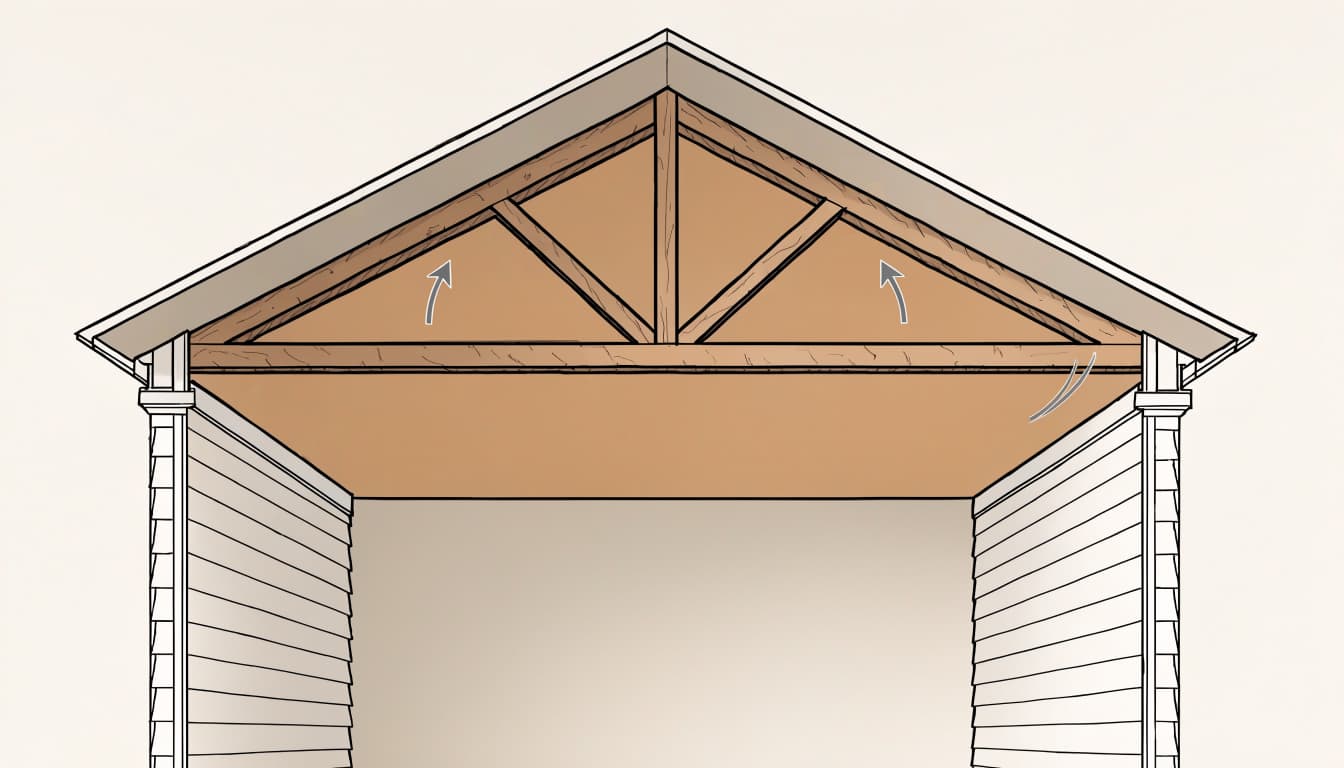
Roof trusses are engineered framing assemblies that span across a home. The lower horizontal member of a truss is called the bottom chord, and the ceiling is attached to framing above it.
How Movement Can Open a Gap
Truss uplift describes upward movement of a truss's bottom chord relative to an interior wall below it. If the ceiling moves with the framing while the wall stays in place, the joint between the two surfaces can separate.
You may see a thin line in the paint or drywall finish where the ceiling meets a partition. The opening can be unsettling, especially in a new home, but its appearance alone doesn't establish whether truss movement is responsible.
Truss Uplift Isn't the Same as Wind Damage
The word "uplift" also comes up in discussions about wind pulling on a roof. That's a separate issue from the movement described here. A ceiling-to-wall crack doesn't, by itself, show that a storm lifted the roof or damaged its connections.
A builder or qualified inspector needs to evaluate the home's conditions before attributing a crack to either issue. Don't remove drywall or alter roof connections to investigate it yourself.
What Ceiling Cracks May Look Like
A crack associated with movement at a wall-to-ceiling joint can follow the corner for part of a wall or continue across a longer section. You might first notice it in a bedroom, hallway, or closet, where the ceiling meets an interior partition.
Look at the surrounding finish as well as the line itself. Paint may have split, drywall tape may have separated, or a small gap may be visible at the edge. Note whether the crack appears in one room or at several nearby joints.
Different-looking cracks deserve attention too. A line across the middle of a ceiling, for example, may follow a drywall seam rather than the edge of a wall. Its position gives the person inspecting it useful information, but it doesn't identify the cause on its own.
Why Fort Myers Conditions Matter
Southwest Florida homes face intense sun, humid air, heavy rain, and tropical weather. Those conditions make it useful to record more than the crack itself. The surrounding ceiling and the weather when you first noticed a change can help distinguish a dry joint from a possible moisture problem.
Watch for Moisture Clues
A yellow or brown mark, bubbling paint, damp drywall, or a musty odor can point to water intrusion or another moisture issue. Pay particular attention if a stain appears or grows after heavy rain.
Water can travel before it shows up inside, so a ceiling mark doesn't necessarily sit directly below the entry point. A qualified professional can assess the roof and attic when a leak is suspected. We offer roof repair services in Fort Myers for leaks and other roofing problems.
Consider the Whole New Home
New construction can contain materials that are still drying. Indoor activities, including cooking and showering, also add moisture to the air. Those facts don't establish why a particular crack appeared, but they make indoor conditions useful to discuss during an inspection.
Tell the builder if you also notice condensation, persistent damp odors, or staining. Keep those observations separate from your description of the crack so the inspection can address each concern.
Other Reasons a Ceiling May Crack
Ceiling cracks can develop at drywall seams and corners for reasons unrelated to truss uplift. Joint finishing, movement between building materials, or movement elsewhere in the structure may also be part of the picture.
A crack near a door or window may involve a different joint than one along the ceiling. Likewise, a ceiling stain with peeling paint raises different questions than a clean, dry line. Avoid treating all of these signs as one problem simply because they appeared around the same time.
Ask for a closer evaluation if several changes appear together, such as new cracks, doors that no longer operate normally, and visible movement. Those observations don't identify a structural problem on their own, but they give a professional more context for the visit.
How to Document Ceiling Cracks
A clear record helps your builder see the original condition and compare it with later changes. Start as soon as you notice the crack, before painting, caulking, or filling the joint.
Take Photos That Show Location and Detail
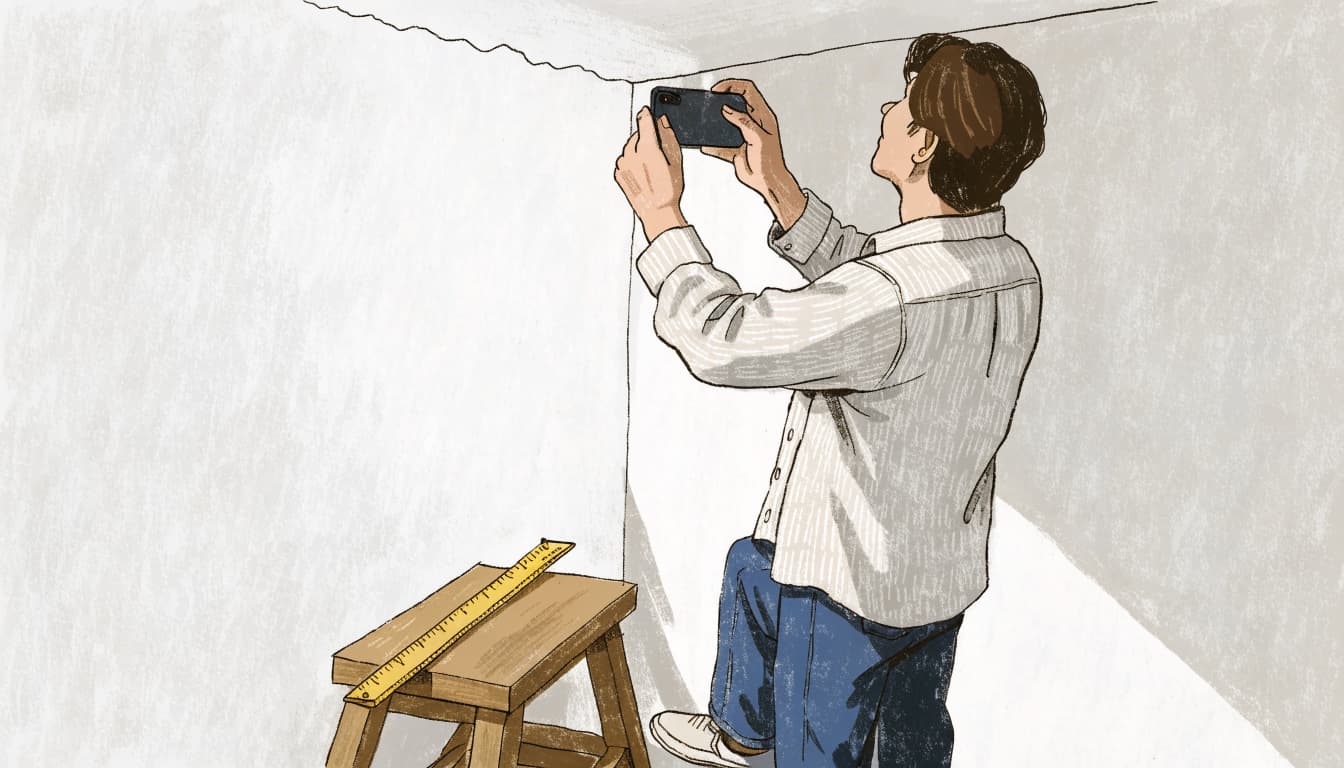
Photograph the whole wall and ceiling first, including a recognizable feature such as a doorway. Then take a closer image of the crack. If you can safely place a ruler beside the opening, include it in a close-up so later photos have a consistent reference.
Record the room, wall location, and date. Use similar lighting and camera angles when you take follow-up pictures. You don't need to climb into the attic or onto the roof to make a useful record.
Keep Notes With Your Photos
Write down when you first noticed the crack and any changes you observe afterward. Note whether you see a stain, peeling paint, dampness, or a new gap nearby. If heavy rain or a storm occurred before a change became visible, include that detail without assuming it caused the damage.
Save your written request and the builder's response alongside the photos. For roof concerns, our Fort Myers roof inspection checklist also covers records that can help document a roof's condition before a storm.
What to Discuss With Your Builder
Contact the builder or the warranty provider identified in your home documents. Describe what you can see, share your dated photos, and ask for the issue to be recorded in writing.
Ask for an Assessment, Not Just a Patch
Request an inspection that identifies the location and considers the surrounding conditions. Explain whether the crack is dry, whether it has changed, and whether you see similar openings elsewhere.
Ask what the inspector believes is causing the separation and what supports that conclusion. If the cause isn't clear during the first visit, ask what further assessment is appropriate. A written finding gives you something concrete to refer to if the crack changes later.
Discuss the Proposed Work and Records
Ask who will perform any recommended work, what areas it will address, and how the finished joint will be restored. If a repair involves more than the surface finish, ask the builder to explain the proposed scope in writing.
Keep the home warranty documents and any inspection notes together. Roof issues can involve separate paperwork, so our guide to Fort Myers roof warranties may be useful if the assessment also identifies a roofing concern.
What a Professional Assessment May Involve
The builder may begin by looking at the crack inside the room, reviewing your photos, and examining nearby walls and ceilings. Depending on the observations, a qualified professional may also need to look at accessible attic framing or investigate signs of moisture.
The purpose is to understand the condition before choosing work. For example, a dry separation at a ceiling corner calls for different questions than a stained ceiling with damp insulation above it.
If framing damage or a structural concern is suspected, ask the builder to involve an appropriate qualified professional. Don't cut, loosen, or add lumber to a truss yourself. Trusses are engineered assemblies, and changes to them require proper direction.
When a Crack Needs Prompt Attention
A fine, dry line is one thing to document. A ceiling that sags, feels soft, or shows active water intrusion deserves a faster response. Keep people away from a sagging area and contact a qualified professional.
If water is near a light fixture or electrical equipment, don't touch the wet area or the fixture. Move belongings away only if you can do so safely, and get qualified help.
After severe weather, look for damage from the ground. Don't climb onto the roof or enter an unsafe attic. Photos are useful, but they don't establish insurance coverage or replace an assessment of the damage.
Frequently Asked Questions
Does a ceiling crack mean the roof trusses are defective?
No. A visible crack doesn't establish a truss defect or identify its cause. The builder needs to consider the crack's location and any other findings before reaching a conclusion.
Should I fill the crack before contacting the builder?
It's better to photograph and report it first. Filling the opening can hide its original appearance, which may make it harder to compare later changes or discuss the condition with the person inspecting it.
A Clear Next Step for Your Home
A ceiling crack is worth documenting, even when it looks minor. Its location and surrounding conditions give your builder a starting point, while an inspection helps determine what needs attention.
Send your photos and notes with a written request for assessment. That gives you a useful record and a clearer path toward the appropriate repair.