Fort Myers Roof Warranties: Who Covers What?
Explore Our Services
Contact Us Today!
(239) 322-9295
A new roof can have two separate promises behind it, and Fort Myers roof warranties often become confusing when those promises overlap. The manufacturer may cover defective shingles, tile, metal, or other roofing products. The roofing contractor may cover leaks caused by installation mistakes.
Those protections are different, with different exclusions, claim procedures, and time limits. Warranty terms vary by manufacturer, roofing system, installer certification, and contract, so your actual written documents matter more than a sales presentation. Before you approve a roof replacement or new-home contract, identify who covers each part of the work.
How Fort Myers roof warranties divide responsibility
When a leak appears, the first question is not always, "Is the roof under warranty?" The better question is, "What caused the problem?"
A roofing system includes more than the visible shingles or tiles. It can include underlayment, flashing, vents, drip edge, fasteners, sealants, ventilation components, and the roof deck. A manufacturer warranty usually applies to certain products. A workmanship warranty usually applies to the contractor's installation.
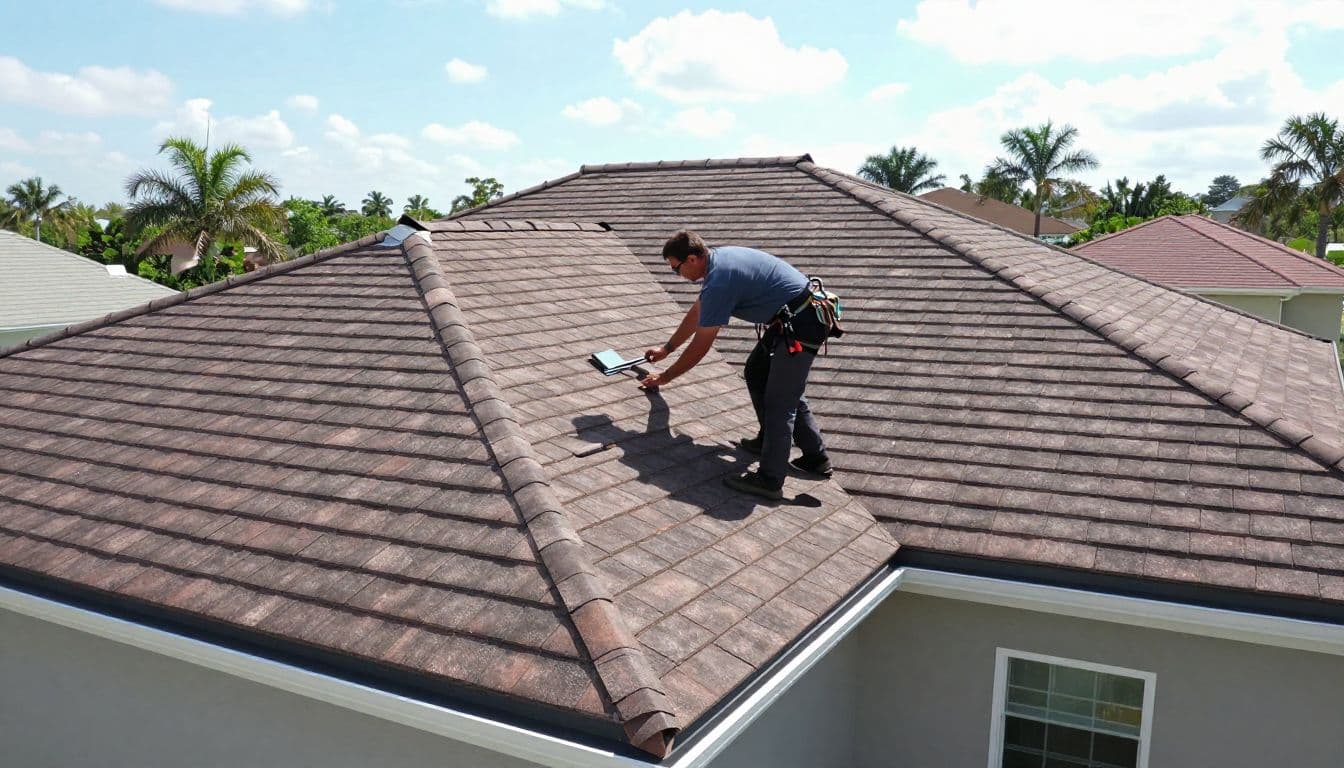
For example, defective shingles may fall under the product manufacturer's coverage. A flashing detail installed incorrectly may fall under the roofer's workmanship coverage. Wind damage from a named storm may fall under neither warranty, although your homeowners insurance could apply.
This distinction matters in Fort Myers because heavy rain, high winds, intense sunlight, and salt air can expose both product defects and installation problems. A warranty doesn't automatically cover every leak, missing shingle, cracked tile, or damaged metal panel.
What a manufacturer warranty usually covers
A manufacturer warranty protects against certain defects in the roofing material. The document may cover the cost of defective products, replacement materials, or part of the labor, depending on the warranty level.
Coverage often depends on the product line and the roofing system. A basic product warranty may cover materials only. An enhanced system warranty may include approved accessories and limited labor coverage when a certified contractor installs the complete system.
Brands such as GAF, Owens Corning, and CertainTeed offer different warranty programs for qualifying products and contractors. However, the name of the brand alone doesn't tell you what your home receives. Ask for the exact warranty document, product name, registration requirements, and coverage terms.
What a workmanship warranty usually covers
A workmanship warranty comes from the roofing contractor. It addresses installation errors, such as improperly installed flashing, exposed fasteners, poor sealing, or incorrect placement of roofing materials.
The contract should state the coverage period and the remedy. Some contractors promise repairs for covered leaks. Others provide broader coverage for certain installation-related failures. The document may also explain response times, inspection procedures, exclusions, and whether another contractor can perform covered repairs.
Workmanship coverage generally doesn't replace a manufacturer's product warranty. It also may exclude storm damage, owner neglect, structural movement, animals, added equipment, and repairs performed by another company.
Manufacturer warranty vs. workmanship coverage
The easiest way to compare the two protections is to place responsibility next to the likely cause of damage.
| Coverage question | Manufacturer warranty | Workmanship warranty |
|---|---|---|
| Who provides it? | The roofing product manufacturer | The roofing contractor |
| Main concern | Defective roofing materials | Installation errors |
| Common examples | Material failure, manufacturing defect | Improper flashing, sealing, or fastening |
| Storm damage | Usually excluded | Usually excluded |
| Who handles the claim? | Manufacturer or approved representative | Installing contractor |
| Key requirement | Eligible product and registration | Contract with clear written terms |
| Coverage limits | Product-specific | Contractor-specific |
| Transfer to a future owner | Depends on the document | Depends on the contract |
The takeaway is simple: a manufacturer warranty doesn't prove that the installation was done correctly , and a workmanship warranty doesn't guarantee every roofing product.
A manufacturer may inspect the roof before approving a claim. The company might repair the affected area, provide replacement materials, or offer another remedy listed in the warranty. Labor may be limited, prorated, or excluded.
The roofer may investigate a leak and correct an installation problem. Yet the contractor may refer a material defect to the manufacturer. That referral is normal, but your contract should explain who coordinates the process.
Why Fort Myers weather matters to warranty claims
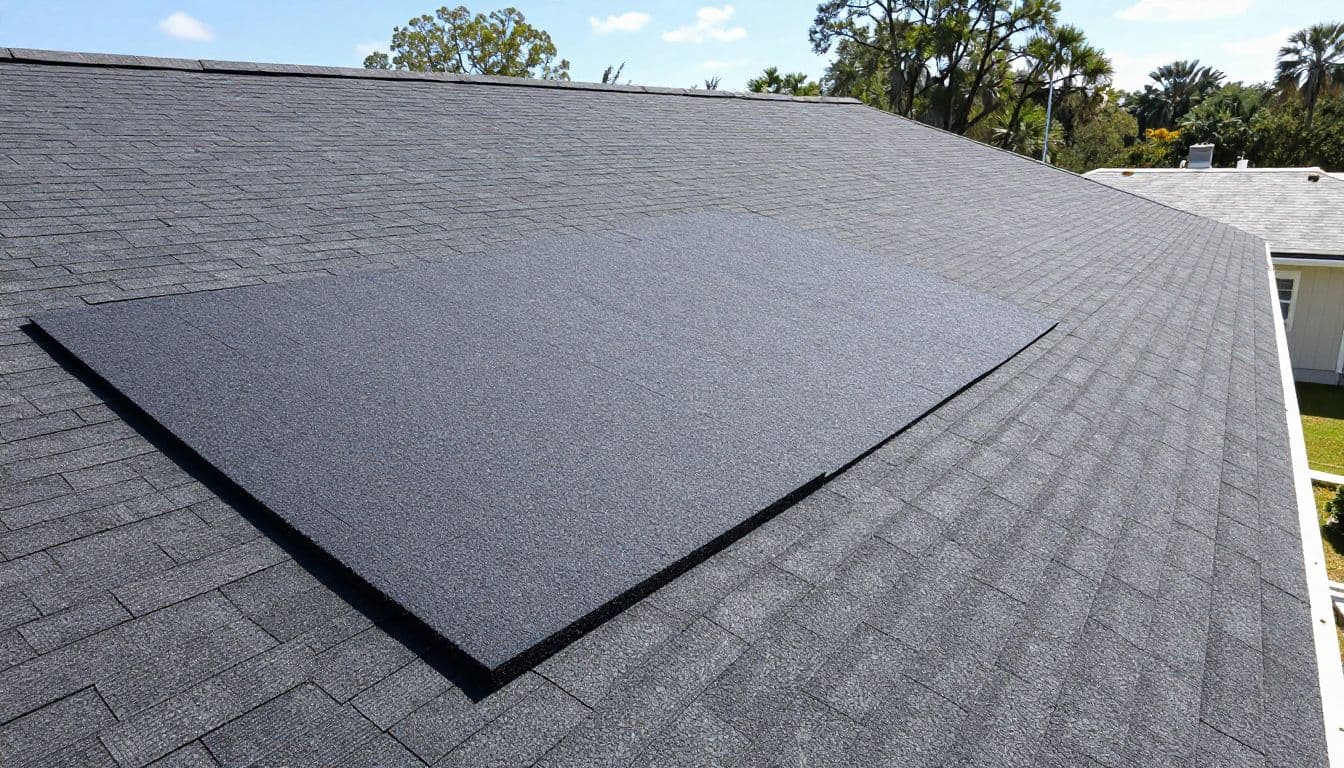
Southwest Florida roofs face conditions that can produce damage without creating a valid warranty claim. Wind can lift shingles, break tiles, and damage metal panels. A storm can also send branches or other debris into the roof.
Manufacturers and contractors often treat storm damage as an outside event. In that situation, homeowners insurance may be the proper source of coverage. The policy, deductible, exclusions, and damage assessment determine whether insurance responds.
Heavy rain can expose a weak flashing detail, but rain alone doesn't prove a workmanship defect. The roof may also have damage from age, previous repairs, blocked drainage, or an altered condition.
Sun exposure creates another concern. Roofing materials can lose color or show surface wear without failing in a way the warranty covers. Some products include separate terms for appearance, algae resistance, or wind performance.
Salt air can affect homes near the Gulf and coastal waterways. Metal components, fasteners, and exposed accessories need suitable materials and proper installation. Ask whether the selected system is appropriate for your location, then keep that answer with your project records.
A storm-related roof loss and an installation-related leak may occur in the same season, but they can follow different claim paths.
Maintenance also affects coverage. Keep gutters and drainage areas clear. Don't allow other trades to penetrate the roof without coordination. When a pool enclosure, solar equipment, satellite dish, or other structure requires roof work, document who performed it.
What to check before signing a Fort Myers roofing contract
A warranty discussion should happen before materials arrive. Your contract should identify the roofing system, installer, warranty provider, and responsibilities after completion.
Review these points in the written agreement:
- Confirm the exact roofing material, model, color, underlayment, flashing, ventilation products, and accessories.
- Ask whether the contractor is certified for the manufacturer's enhanced warranty program. Certification can affect available coverage, but it doesn't make every project eligible automatically.
- Find out whether the warranty covers materials, labor, tear-off, disposal, and matching products. These costs may have separate limits.
- Check the start date. Coverage may begin at installation, substantial completion, closing, or another date stated in the document.
- Read the exclusions for hurricanes, high winds, hail, improper maintenance, structural movement, roof penetrations, ponding water, and unauthorized repairs.
- Ask whether registration is required and who must complete it. Keep proof of registration with the final project documents.
- Review transfer rules before buying or selling the home. A warranty may transfer once, require notice, or end when ownership changes.
- Confirm the claim process. The document should provide contact information, required photos or records, inspection procedures, and deadlines.
- Ask what happens if the original roofing company closes or stops operating. A manufacturer's product warranty may continue, while workmanship protection could become harder to enforce.
For new construction, include warranty language in the construction contract instead of relying on a verbal promise. Florida's statutory one-year warranty requirement for newly constructed homes, effective July 1, 2025, may establish a baseline, but it doesn't replace the product and workmanship documents for the roof. Review the contract language and closeout package, including Florida construction contract warranties.
A longer warranty period isn't always better if the exclusions are broad. A shorter warranty with a clear repair obligation may provide more useful protection than a longer document that excludes labor or requires difficult claim conditions.
What to do when you find a roof problem
Act quickly, but avoid making permanent repairs before documenting the issue. Take clear photos from the ground and inside the attic. Record the location, date, weather conditions, and any visible staining or dripping.
Then review your warranty documents and contact the appropriate party. If the problem followed a recent installation, start with the roofing contractor. If the contractor identifies a defective product, ask how the manufacturer claim will be opened.
Don't ignore a small ceiling stain. Water can travel along framing before appearing below the original entry point. A prompt inspection can separate roof damage from plumbing, HVAC, window, or exterior wall leaks.
Avoid hiring another roofer to modify the area before the original contractor or manufacturer has inspected it. Unauthorized repairs may complicate the claim. If emergency work is necessary to prevent additional damage, keep all invoices, photos, and removed materials.
A professional roof inspection can also help when responsibility is disputed. The inspection should identify the likely cause, affected components, installation details, and signs of storm or maintenance-related damage. For insurance and property records, a Florida 4-point inspection guide can help explain how roof condition is documented, although a four-point inspection isn't the same as a warranty inspection.
For a new home, schedule an inspection before the builder's stated warranty period ends. A new construction final inspection can help identify roof concerns while the builder's warranty process remains available.
Keep the warranty documents with your home records
Store the signed contract, product invoices, warranty certificates, registration confirmation, permit records, inspection reports, maintenance receipts, and repair photos together. Digital copies are useful, but keep the original documents when available.
Your records should also show the installation date and the contractor's contact information. If the roof includes multiple materials, save the warranty for each component. Tile, metal panels, underlayment, coatings, ventilation products, and skylights may have separate coverage.
When you sell the home, give the buyer the documents and check transfer requirements before closing. A clear record can prevent confusion over whether coverage still applies.
Conclusion: Read the warranty before the roof is installed
Fort Myers roof warranties work best when the product and installation responsibilities are clear. Manufacturer coverage generally addresses defective materials, while workmanship coverage addresses errors in the contractor's work. Storm damage, maintenance issues, and later roof penetrations often fall outside both.
Warranty terms vary by manufacturer, roofing system, installer certification, and contract. Read the actual written documents, ask who handles each type of claim, and keep complete project records. When a leak appears, the cause matters more than the word "warranty" on a sales estimate.