Bonita Springs Kickout Flashing at Exterior Walls
Explore Our Services
Contact Us Today!
(239) 322-9295
Roof runoff can stain a wall long before anyone sees a ceiling leak. Bonita Springs kickout flashing is the small diverter at the bottom of a roof-to-wall intersection, and it directs water toward the gutter instead of letting it follow the wall.
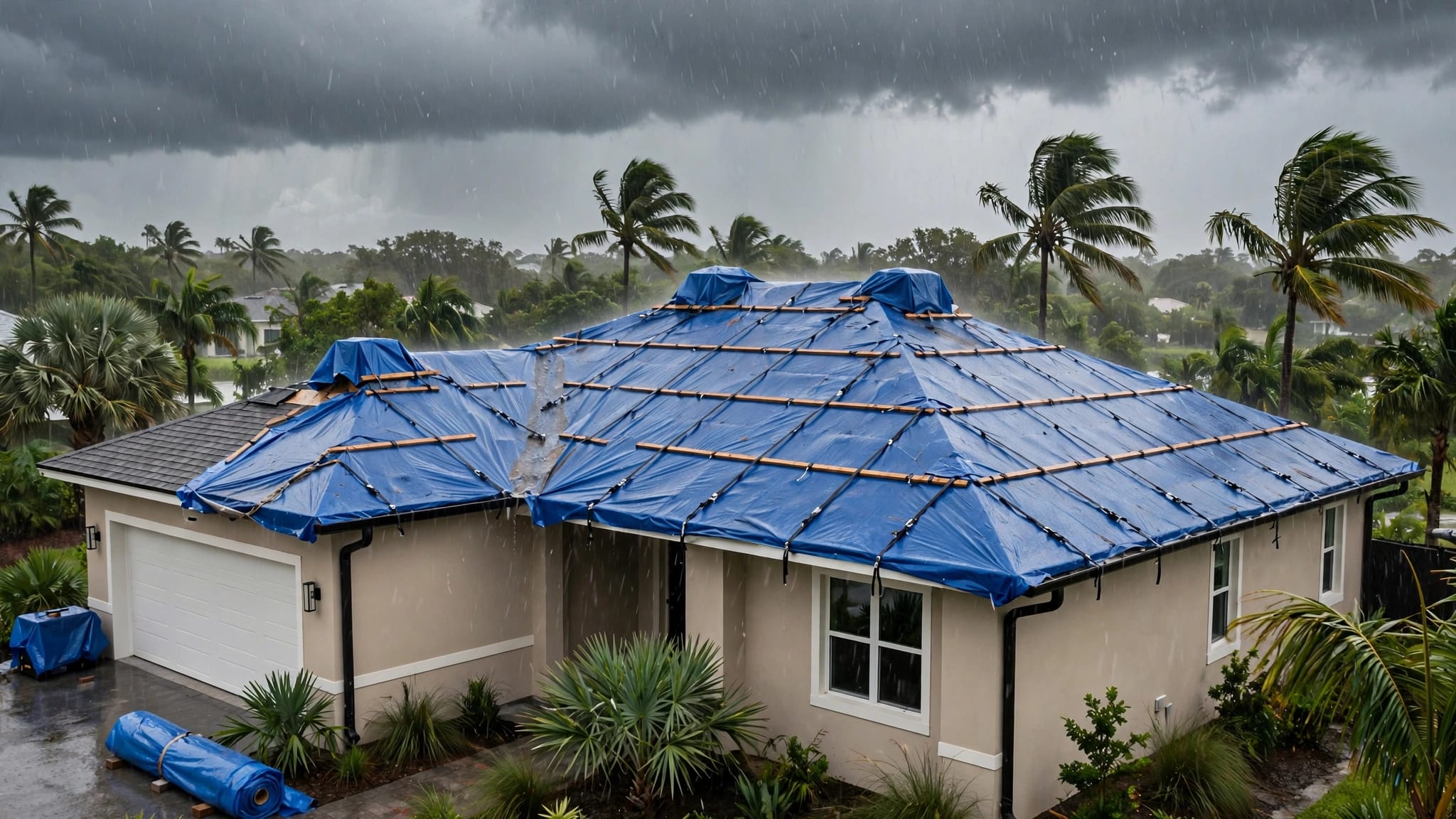
That detail gets tested by heavy rain, wind-driven rain, humidity, and storm damage. If a roof replacement or remodeling project includes a wall that extends past a lower roof edge, the flashing deserves the same attention as the shingles and stucco. First, it helps to understand the water path.
Why Bonita Springs kickout flashing matters at exterior walls
A roof-to-wall intersection creates a natural channel. The roof sheds water quickly, while the wall gives runoff a vertical route. Without a diverter at the lower end, water can run behind siding, stucco, trim, or the wall's drainage layers.
A small diverter controls the runoff path
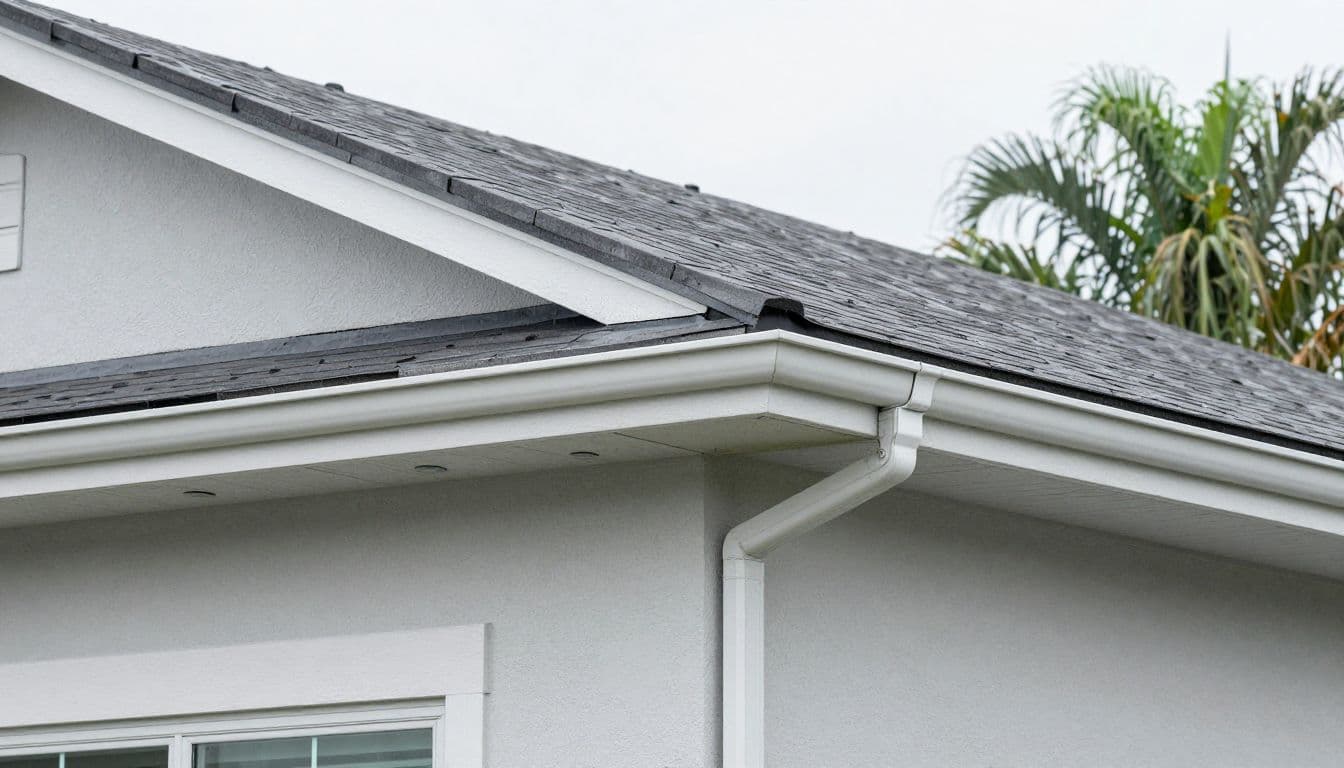
At the bottom of a sidewall run, kickout flashing catches water leaving the last section of step flashing. Its shaped end pushes the flow outward. Where a gutter is present, the water should enter the gutter rather than spill behind its end cap or onto the wall.
The principle is easy to picture:
Roof runoff -> step flashing -> kickout diverter -> gutter
If there is no gutter, the outlet still needs to move water away from the wall and onto a suitable exterior drainage path. The metal piece changes the direction of moving water. It isn't a decorative cap.
Step flashing and kickout flashing do different jobs
Step flashing protects the roof-to-wall joint course by course. Each piece works with the shingles and underlayment so water sheds over the next lower layer. Kickout flashing finishes that sequence at the bottom, where the wall continues beyond the roof edge.
A missing kickout can leave otherwise sound step flashing with nowhere to send the water. Runoff may track along the wall, reach a gap in the cladding, or drop behind the gutter. Inspecting only the visible shingles can miss the source of a leak.

Why Southwest Florida weather exposes weak flashing
Bonita Springs homes see weather that repeatedly tests roof edges. A detail that stays dry during light rain may leak when rainfall intensity, wind direction, and gutter flow line up.
Intense rain and wind-driven water
Heavy Florida rainfall can fill roof drainage paths quickly. Wind can push water beneath a loose shingle edge, into an open wall joint, or behind poorly integrated flashing. A small gap at the end of a sidewall may stay unnoticed until a storm sends water against it.
Storm damage can change the runoff path. A bent gutter, damaged end cap, lifted roof covering, or cracked stucco edge can send water back toward the wall. After a major weather event, the lower roof-to-wall corners deserve attention even when the ceiling remains dry.
Humidity makes small leaks harder to track
High humidity slows drying. Repeated wetting can stain stucco, weaken wood trim, corrode metal, or damage sheathing behind the finish. These problems may develop out of sight when the entry point sits several feet above the visible mark.
Mildew or a dark streak doesn't prove kickout failure by itself. However, a stain directly below a roof-to-wall termination, combined with missing or blocked flashing, gives an inspector a reason to examine the assembly further.
Kickout flashing must join the roof and wall assembly
Good water management depends on layers working together. A surface-mounted piece of metal with sealant may look finished, but it cannot replace correct overlaps and transitions behind the cladding.
Florida's roof and exterior-wall provisions require flashing at roof-to-wall intersections and wall assembly terminations. The 2023 code set describes the purpose as preventing moisture intrusion and redirecting water to the exterior. The adopted code edition and permit documents for a 2026 project control the exact requirements.
The roof side needs continuous overlap
On the roof side, the underlayment, shingles, step flashing, and kickout need one continuous shedding path. Step flashing should align with the shingle courses, while the kickout collects runoff at the end of that sequence.
If the kickout sits too low, too high, too flat, or outside the gutter, water can bypass the intended route. Roof replacement is a useful time to inspect this corner because the old covering may already be removed. New shingles shouldn't cover a defective wall transition.
Corrosion-resistant materials also matter in coastal conditions. Salt air, ultraviolet exposure, and repeated wetting can shorten the life of weak or poorly protected metal.
The wall side needs WRB and cladding integration
Behind stucco or siding, the water-resistive barrier, often called the WRB, is part of the drainage system. Flashing must connect with that layer so water behind the cladding can drain back outside. Upper layers should shed over lower layers instead of creating a reverse lap.
Cladding shouldn't block the outlet or trap water at the roof edge. Sealant has a role at selected joints, but it cannot correct a reversed WRB lap, missing step flashing, or a kickout that never reaches the gutter. A proper repair may require limited removal of stucco, siding, trim, or roof materials.
What Bonita Springs homeowners should check
Ground-level observations can identify a concern, but they can't confirm every concealed layer. Don't climb onto a roof or pry into stucco to inspect a corner. Ask a qualified roofing or home inspection professional to review areas that aren't safely visible.
Warning signs around the exterior wall
Walk the perimeter after rain and look at the bottom of each roof-to-wall run. Useful clues include:
- Water stains, mildew streaks, or darkened stucco below the corner.
- Peeling paint, swollen trim, soft wood, or crumbling finish near the roof edge.
- A gutter end that overflows behind the fascia or sits away from the kickout outlet.
- Corroded metal, exposed gaps, loose cladding, or separated sealant.
- Interior stains or musty odors on the same side of the home.
These signs can have other causes, including failed window flashing, plumbing leaks, or condensation. Their location and timing help determine where to investigate.
Questions to ask during an inspection
Ask direct questions before approving a repair or closing on a new home:
- Is a kickout diverter present at every lower end of a roof-to-wall intersection?
- Does the outlet direct water into the gutter or away from the wall?
- How does it connect to the step flashing, underlayment, and wall WRB?
- Is stucco, siding, or trim blocking the drainage opening?
- Does the area show soft sheathing, corrosion, or old sealant repairs?
- Will the completed detail be photographed after a roof replacement?
A roof inspection can identify visible defects. You can also review what a wind mitigation inspection covers, since roof-to-wall connections and storm-related features may affect that separate inspection. One inspection doesn't replace the other.
Repair or replacement: how the decision is made
Repair scope depends on what failed, how long water has entered, and whether the surrounding layers remain sound. A visible metal defect doesn't automatically mean the entire roof or wall needs replacement. It also shouldn't be treated as a caulk-only problem without checking the drainage path.
When a localized repair may work
A targeted repair may fit when the roof covering, step flashing, WRB, sheathing, and cladding remain in good condition. The contractor may need to open a small area, correct the laps, replace the diverter or damaged trim, and restore the finish.
The right scope depends on what the inspection finds behind the surface. Ask for photos of the exposed area and a written description of the materials being restored. That record helps you compare a focused repair with a larger proposal.
When the repair needs a wider opening
Broader work makes sense when water has damaged sheathing, framing, stucco, siding, or multiple flashing courses. Repeated patching can leave the original drainage problem in place while the visible stain disappears.
Roof replacement may be the cleaner choice when the covering is near the end of its service life or when the existing flashing cannot be integrated without disturbing a large section. A responsible proposal should separate roof work, wall-envelope repairs, finish restoration, and damage that needs further evaluation.
Plan the detail during new construction or remodeling
Kickout flashing is easiest to verify before the wall finish closes the assembly. On a new Bonita Springs home, review the roof-to-wall details in the plans and ask who is responsible for the step flashing, kickout, WRB transition, gutter, and final cladding clearance. Responsibility should be clear across trades.
A Southwest Florida new home preconstruction checklist can prompt conversations about drainage, roof assemblies, weather protection, and inspection stages. During a whole-home remodel or roof replacement, ask the same questions before new stucco, siding, fascia, or gutters cover the work.
Correcting an omitted detail while materials remain accessible is less disruptive than reopening finished wall surfaces later. Photos taken before cladding closes the wall can also give you a useful record of the completed assembly.
Conclusion
Kickout flashing protects the lower end of a roof-to-wall intersection by sending runoff into the gutter or away from the wall. In Bonita Springs, intense rain, wind-driven water, humidity, and storm damage can expose a weak detail and lead to concealed wall damage.
The strongest inspection question is simple: does water have a continuous path over the shingles, across the step flashing, through the kickout, and into the gutter or exterior drainage path? If that path is broken, a durable repair restores the layers behind the finish instead of relying on surface caulk.