Cape Coral Architectural vs 3-Tab Shingles: A Practical Guide
Explore Our Services
Contact Us Today!
(239) 322-9295
A roof choice may feel minor when you're looking at a small sample board. In Cape Coral, architectural vs 3-tab shingles becomes a bigger decision once heat, wind-driven rain, and tropical storms enter the picture.
Architectural shingles usually look thicker and more textured. Three-tab shingles have a flatter, uniform pattern. However, neither product can overcome poor deck repairs, incorrect fastening, weak flashing, or an attic with moisture problems.
Start by separating the visible shingle from the full roof assembly beneath it.
Architectural vs 3-tab shingles: What separates them
Both options are asphalt shingles made with a fiberglass mat, asphalt coating, and protective mineral granules. The main difference is their construction, profile, and available product lines.
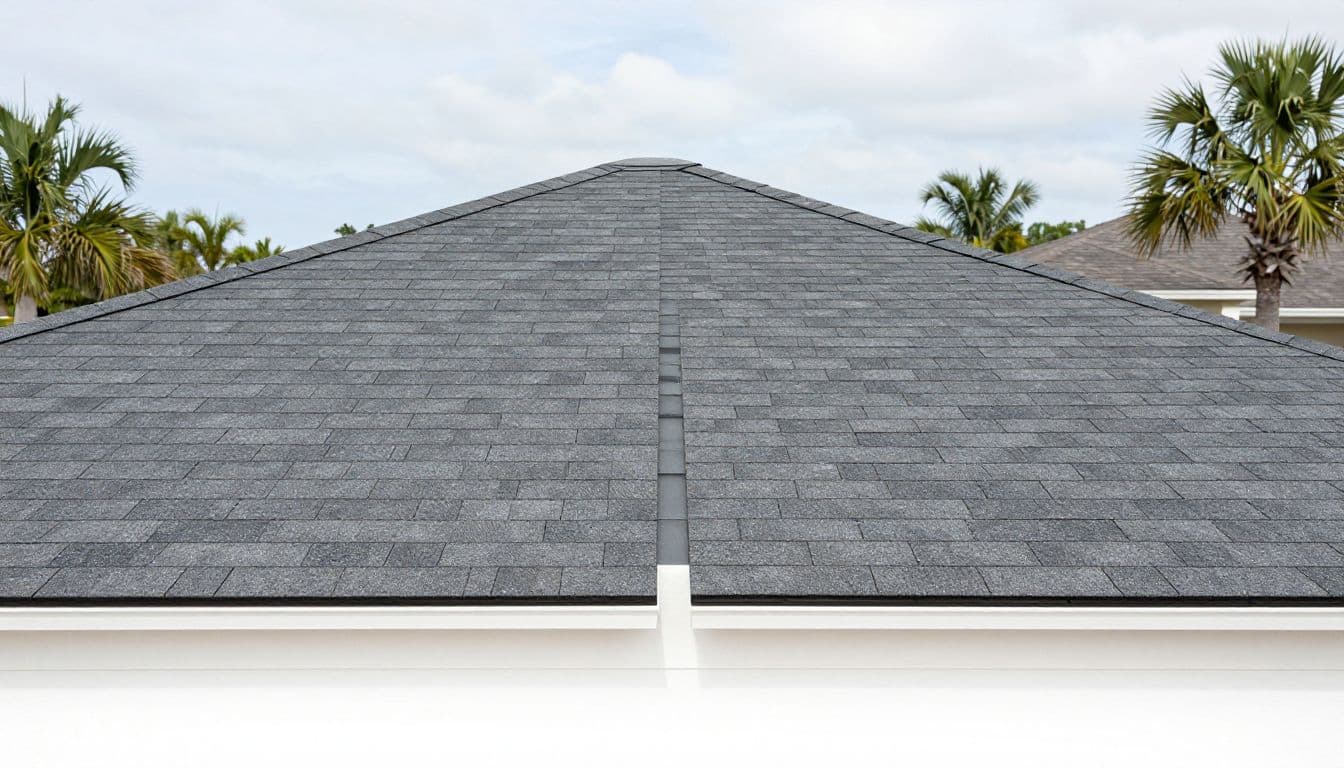
Architectural shingles have a layered profile
Architectural shingles, also called laminated or dimensional shingles, bond multiple asphalt layers together. Their uneven edges create shadow lines that can resemble wood shake or slate from the street.
They often have a heavier feel than basic strip shingles, although weight varies by manufacturer and product line. Many homeowners choose them because the finished roof has more depth and less of a repeating pattern.
Architectural products also come in a wider range of colors and styles. That can help when a home has a detailed exterior, such as stone accents, decorative garage doors, or a more traditional coastal design.
Three-tab shingles use a simple, uniform pattern
A 3-tab shingle is a single-layer strip with cutouts that create three equal tabs. Once installed, the roof has clean horizontal lines and a flatter appearance.
This style usually carries a lower material cost. It can be a practical choice for a straightforward replacement project when the available product meets the required approval and wind classification.
The style alone does not define roof strength. A 3-tab shingle with the right approved attachment can perform better than a poorly installed architectural shingle.
Wind ratings depend on the exact product
Architectural shingle lines often offer higher wind-rated options, but that is not an automatic benefit of the category. The wrapper, product approval, fastening pattern, and manufacturer instructions control the rating for that specific shingle.
Florida Building Code provisions require asphalt shingles to meet material and wind-resistance standards. Shingle packaging must identify the applicable wind classification, so review the exact product instead of relying on a sales label.
Cape Coral weather tests the full roof assembly
Cape Coral roofs face intense sun, sudden downpours, high humidity, and tropical weather. Those conditions affect every asphalt shingle roof, regardless of its profile.
Heat and humidity add long-term stress
Roof surfaces absorb substantial heat during Southwest Florida summers. Daily heating and cooling cycles put stress on asphalt materials, sealant strips, roof decking, and attic components.
Humidity also deserves attention. It doesn't cause wind uplift, but it can expose attic ventilation problems, damp insulation, staining, and soft roof decking. Before a replacement, a contractor should inspect the attic where access allows and check for signs of moisture intrusion.
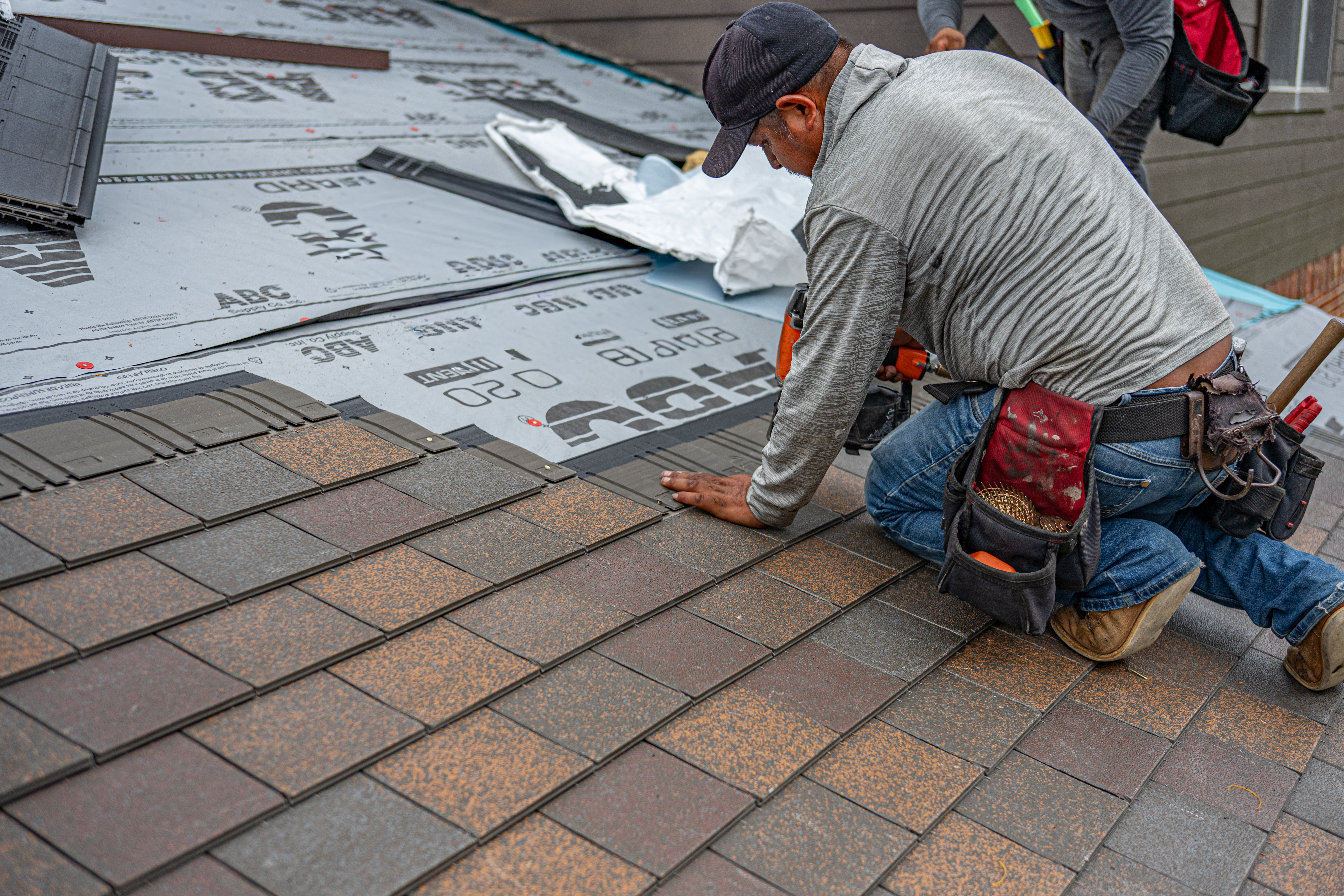
Photo by Ryan Stephens
Wind-driven rain targets edges and openings
Heavy rain does not always enter through the center of a roof field. Water often finds vulnerable points at eaves, valleys, pipe penetrations, skylights, chimneys, and wall flashing.
Strong winds can also lift shingles at exposed edges or ridges if the attachment does not match the approved installation method. Coastal exposure adds another reason to review fastener materials and flashing details carefully.
A good roof package addresses water control below the shingles as well as above them. Underlayment, starter shingles, flashing, ridge caps, and drip edges all have a job to do.
Installation quality matters as much as shingle quality
A roof is a layered system, not a stack of decorative shingles. The materials need to work with the deck, slope, ventilation plan, and local permit requirements.
A complete Florida shingle roofing system includes underlayment, flashing, starter courses, ridge components, and roof ventilation details. Leaving any of those items vague in a proposal creates room for expensive surprises later.
Deck condition and fastening come first
Shingles need solid sheathing beneath them. During tear-off, a roofing crew should identify damaged plywood, loose sections, water stains, or deteriorated areas before installing new materials.
Fasteners also matter. Florida requirements address nail type, penetration depth, and placement. Nails driven too high, too low, too shallow, or through the wrong part of the shingle can reduce wind performance.
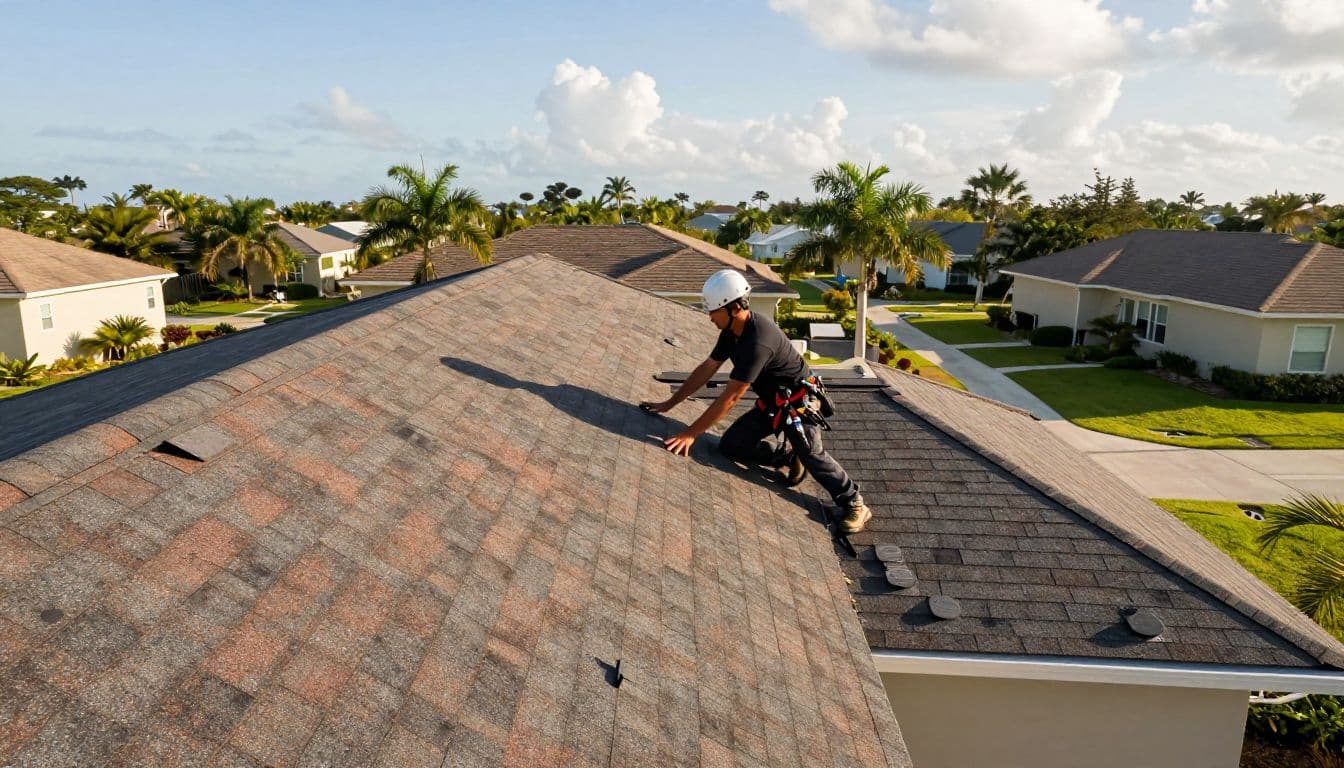
Underlayment, flashing, and ventilation need attention
Underlayment provides a water-shedding layer beneath the shingles. Flashing directs water away from transitions where the roof meets a wall, vent, chimney, or other penetration.
Ventilation must match the home's attic design. Ridge vents, soffit intake, insulation, and existing attic conditions work together. A ridge vent alone cannot correct blocked intake vents or moisture from an active roof leak.
The shingle is the visible layer. Wind resistance and rain control depend on the approved assembly beneath it.
A practical architectural vs 3-tab shingles comparison
The table below compares the categories without treating either one as a complete roof system.
| Feature | Architectural shingles | 3-tab shingles | What Cape Coral homeowners should check |
|---|---|---|---|
| Construction | Laminated layers create depth | Single-layer strip with cut tabs | Confirm the exact manufacturer product |
| Appearance | Dimensional shadow lines | Flat, uniform horizontal pattern | Match the home's exterior and HOA rules |
| Material cost | Usually higher | Often lower | Compare complete proposals, not bundles alone |
| Wind classification | Product-specific | Product-specific | Review wrapper labels and approvals |
| Repair matching | Pattern varies by product | Regular pattern, though fading affects matches | Keep spare shingles if possible |
| Installation needs | Full roof assembly required | Full roof assembly required | Verify deck, underlayment, flashing, and fastening |
Architectural shingles often cost more because of their layered construction and appearance. That added expense may suit a homeowner who wants a more substantial roof profile and a broader selection of approved products.
Three-tab shingles can still make sense when the available product fits the home's design, budget, and permit requirements. The right choice is the one specified correctly and installed with care.
Choosing shingles for your Cape Coral home
Your roof's age, shape, condition, and future plans should guide the decision. A home scheduled for an exterior renovation may benefit from a shingle color and profile that fits the broader project.
When architectural shingles may be the better fit
Architectural shingles often suit homeowners who want more visual texture and more color choices. They can also be a strong fit for homes with complex elevations, larger roof areas, or exterior finishes that benefit from a dimensional roofline.
Compare the exact approved product, not only the shingle category. Ask about the wind classification, ridge cap requirements, matching starter shingles, warranty terms, and available colors before choosing.
A manufacturer warranty also has limits and conditions. It does not replace proper installation, maintenance, or storm inspections.
When 3-tab shingles can be a reasonable choice
Three-tab shingles may fit a simpler roof replacement where visual depth is not a priority and the material meets the project's approved specifications. Their consistent pattern can look clean on modest roof lines and uncomplicated home designs.
The material savings should not reduce attention to the rest of the scope. Tear-off, deck repairs, underlayment, flashing replacement, disposal, permits, and ventilation work can change the final contract amount more than the shingle profile.
Roof shape and design affect wind performance
Asphalt shingles are intended for solidly sheathed roofs with slopes of 2:12 or greater under Florida Building Code provisions. Lower-slope areas may need a different approved roofing assembly.
Valleys, penetrations, and roof transitions need detail
A simple gable roof has fewer transition points than a roof with multiple valleys, dormers, skylights, or intersecting sections. Each added feature creates more flashing work and more locations where water can collect or travel.
Roofing proposals should identify these details before work begins. A low quote that skips valley flashing, pipe boots, or drip-edge work can become costly after tear-off.
Wind pressure changes with roof geometry
Hip roofs, gable ends, long overhangs, ridges, and eaves can experience different wind pressures. The roof deck and roof-to-wall connections also influence the home's storm performance.
For new construction or a major remodel, review hurricane-resistant roof design details before finalizing plans. Roofing materials should match the approved structure rather than become an afterthought.
Confirm permits, approvals, and inspection details
Cape Coral uses project-specific roof documentation as part of its permit process. The shingle package, product approval, contract scope, and installation instructions should all match.
Ask for these details before signing a contract
- Request the product approval for the exact shingle, underlayment, and roof assembly proposed for your home.
- Confirm the wind classification shown on the shingle packaging matches the permit requirements.
- Ask how the contractor will handle deck repairs found after tear-off.
- Review the fastening schedule, flashing replacement, ventilation work, and ridge cap material in writing.
- Read warranty registration requirements and ask who will provide final paperwork.
Reviewing Florida roofing product approvals helps prevent a substitution that does not match the submitted roofing package.
Also confirm requirements with the City of Cape Coral, your insurer, and your HOA before ordering materials. Insurers may have their own documentation standards, while HOAs may limit shingle colors or styles. After installation, a Cape Coral roof inspection can provide a second look at the completed work.
The right roof is a complete roof system
For a Cape Coral home, architectural vs 3-tab shingles is a real decision about appearance, budget, and available approved products. It should never be the only decision.
Architectural shingles may offer the dimensional style you want. Three-tab shingles may fit a simpler project. In both cases, the lasting value comes from a sound deck, correct attachment, well-installed underlayment and flashing, and documentation that matches the permit.
A properly specified roof system gives every shingle its best chance to perform through Florida heat, heavy rain, and storm seasons.