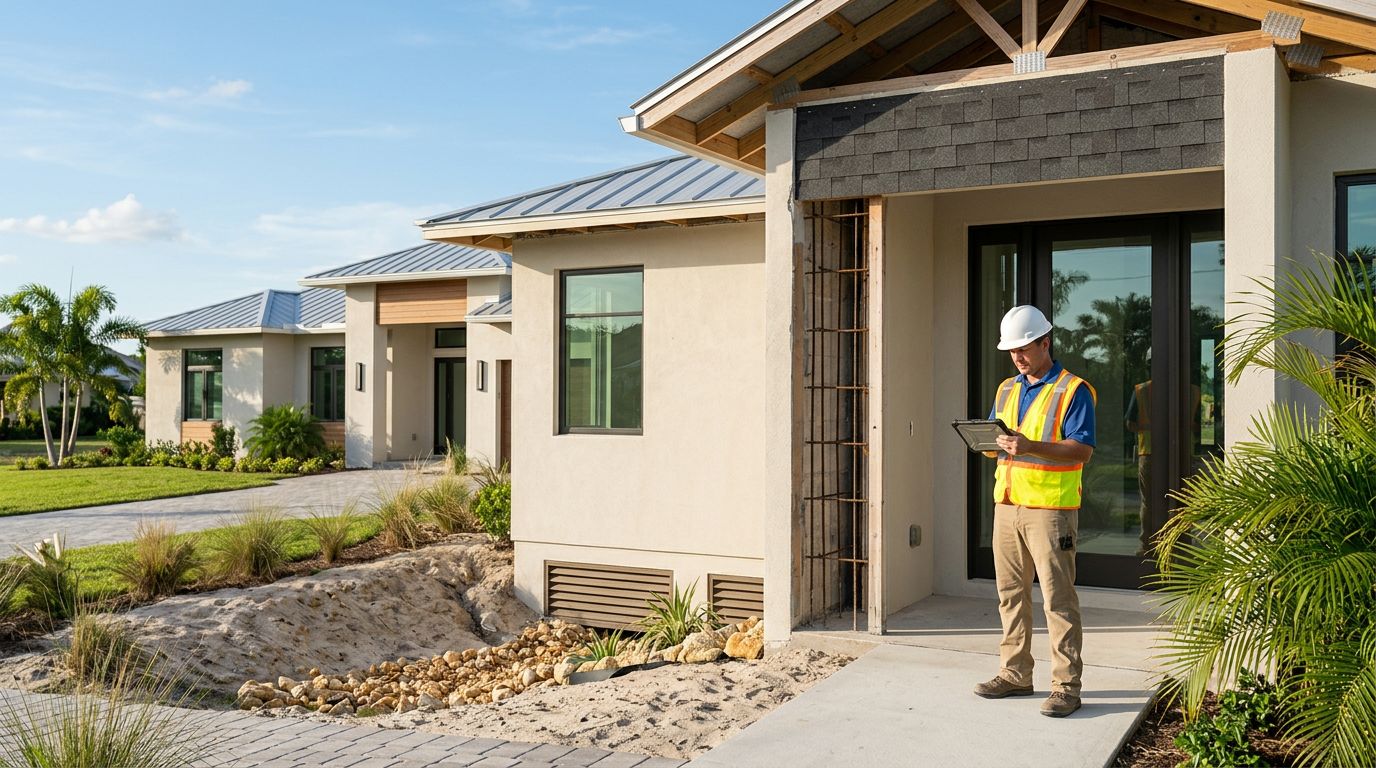
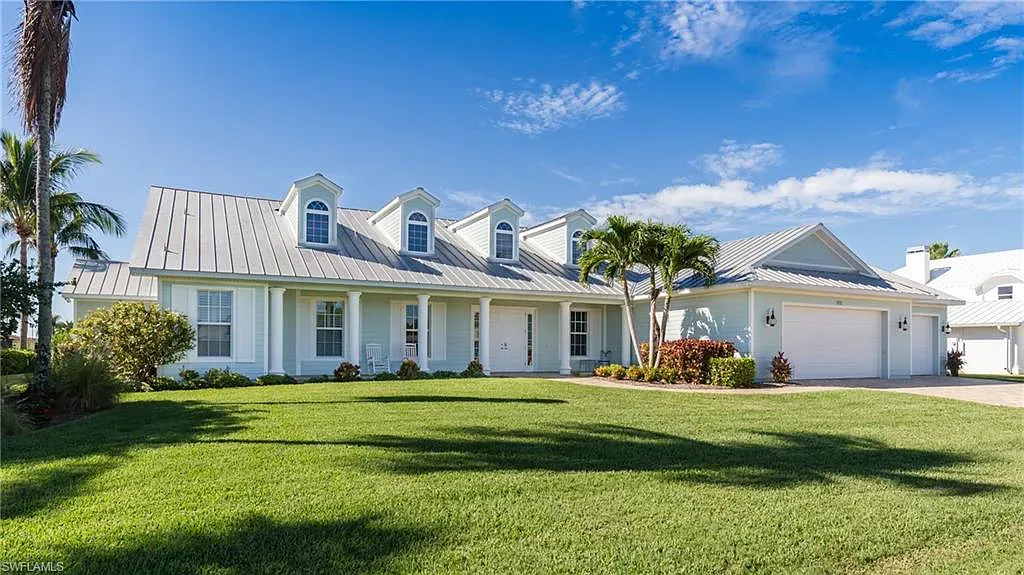



A new Cape Coral home can look fine on paper and still run into a height problem during review. The surprise usually comes from the lot, the roof, the flood data, or the zoning district, not the floor plan alone.
That is why Cape Coral height limits for new homes are not a one-number answer in 2026. If you are planning a build, the safest move is to verify the exact zoning and site rules before the final design goes out.
Why there is no single height cap for every Cape Coral lot
Cape Coral does not treat every residential lot the same way. The city measures height from the lowest finished floor to the highest point of the eave or parapet wall, whichever is higher, so the roof detail matters as much as the footprint.
That means the same house can fit one parcel and miss another. A standard inland lot, a waterfront lot, and a lot with flood-related elevation needs can all lead to different results.
The current code framework also allows some flexibility. Cape Coral can approve a height deviation of up to 10% above the standard limit in the code, but that is not automatic. It still needs the right review and approval.
The safest assumption is simple, height is a lot-by-lot question, not a citywide shortcut.
The details that move a Cape Coral home's height limit
These are the factors that usually change the answer fastest.
| Factor | Why it matters | What to verify |
|---|---|---|
| Zoning district | Sets the base height rule | Exact district and any overlays |
| Roof design | Changes the measurement point | Eave height, parapets, roof pitch |
| Flood elevation | Can raise the finished floor | FEMA maps, base flood elevation, freeboard |
| Lot shape and setbacks | Shrinks the buildable envelope | Corner lots, easements, waterfront edges |
| City approval | May allow more height | Whether a deviation is possible |
A small change in one of these items can push a plan over the line. That is why early checks save time later.
Roof design changes the number faster than most people expect
Roof shape is not just a style choice. It can affect how the city reads the height on the plans.
Cape Coral measures to the highest point of the eave or parapet wall, whichever is higher. So a flat roof with a parapet, a steep roof, or a design with larger overhangs can all create different height outcomes. Two homes with the same square footage may land at different heights because their roof lines are not the same.
That is one reason builders should look at the roof section and the site elevation together. If the house is already close to the limit, a small roof change can matter.
Flood elevation can lift the whole structure
Flood rules matter even before the roof line comes into play. If the parcel sits in a mapped flood area, the finished floor may need to rise above the Base Flood Elevation, and sometimes above that with added freeboard.
For many lots, that extra elevation is a good thing. It helps the home sit higher and handle water better. At the same time, it can reduce the height room left for the rest of the structure.
If your lot is in a flood-prone area, review base flood elevation requirements for new construction before you lock in the roof plan. Otherwise, the floor height can force a redesign after you have already fallen in love with the first concept.
Lot shape and setbacks can force a taller plan
Some lots give you room to spread out. Others do not.
When setbacks take up a good part of the parcel, the buildable envelope shrinks fast. That can push a homeowner toward a narrower, taller design instead of a wide single-story footprint. On narrow or corner lots, the footprint can feel tight before the first wall is drawn.
For that reason, Cape Coral residential setback requirements matter as much as the height rule itself. They shape the size of the house before the city even looks at the roof.
A tight lot can also affect garage placement, porch depth, and the way the roof drains. Those details matter because the whole exterior has to fit within the buildable space.
City approval still matters, even when the plan looks close
A plan that is close to the limit is not the same as an approved plan. Cape Coral may allow a height deviation in some cases, but you should never assume that request will go through.
That is where plan review, survey work, and zoning checks all come together. If the numbers do not line up, the city may ask for a redesign, not a quick fix.
The cleanest path is to confirm the current zoning rule for the exact parcel, then match it to the latest survey and elevation data. If the house is still tight after that, the design team can decide whether to lower the roof, adjust the floor height, or seek approval where allowed.
How builders plan around height without wrecking the budget
Height issues affect cost as much as code. More elevation can mean more fill, more framing, more steps, and sometimes a more complex roof.
When the footprint is tight, many owners compare one-story versus two-story home construction costs before they settle on a layout. A two-story plan can fit a smaller lot better, while a one-story plan may be simpler if the parcel has room.
The right call depends on the lot and the budget. A taller home is not automatically the better choice. It just becomes the practical choice when the site leaves no other room.
A good builder will check a few things early:
- Confirm the exact zoning district and any special overlays.
- Match the survey, flood data, and finished floor elevation.
- Review the roof section and wall heights at the same time.
- Check whether a deviation is possible before final permit drawings.
That kind of review matters even more with a cost-plus home builder . When the numbers are itemized, you can see what height changes do to fill, framing, stairs, and roof work. That level of transparent pricing makes it easier to compare options before the permit set gets expensive.
A homeowner should also ask which structure is being measured. The main house, a detached garage, an accessory building, and a screen enclosure may not all follow the same height path. That detail is easy to miss if the conversation stays too general.
For a new build, the goal is not just to fit the code. The goal is to fit the code without adding avoidable cost or delay.
What to verify before you finalize a Cape Coral home plan
Before you sign off on the drawings, make sure these items are clear on the actual parcel:
- The zoning district and any applicable overlays
- The current finished floor elevation
- The flood zone, if any, and the Base Flood Elevation
- The measurement point for the roof design
- The setback lines and easements
- Whether a height deviation may be needed
If one of those pieces changes, the plan may need a new look. That is normal in Cape Coral, especially on tighter or higher-risk lots.
Conclusion
Cape Coral height limits for new homes in 2026 are not a simple citywide number. They depend on zoning, roof type, lot conditions, flood elevation, and city approval.
The smartest approach is to verify the parcel first, then shape the plan around what the site can support. That keeps the design realistic, the permit path cleaner, and the budget more predictable.
That first impression of a simple height number can be misleading, but the right checks turn it into a clear plan.