Fort Myers Duct Leakage Testing Before Final Inspection
Explore Our Services
Contact Us Today!
(239) 322-9295
A new air conditioner can be installed correctly and still lose cooled air through poorly sealed ducts. If you're building a home, testing before closeout gives the HVAC contractor time to find leaks while repairs are practical.
Fort Myers duct leakage testing should be scheduled around the home's approved plans, energy compliance path, and inspection sequence. Completing an applicable test before the final inspection is a sensible way to avoid a late repair or missing report, but the exact requirement depends on the permit. Start by confirming what your building department expects.
Why test the ducts before the final inspection?
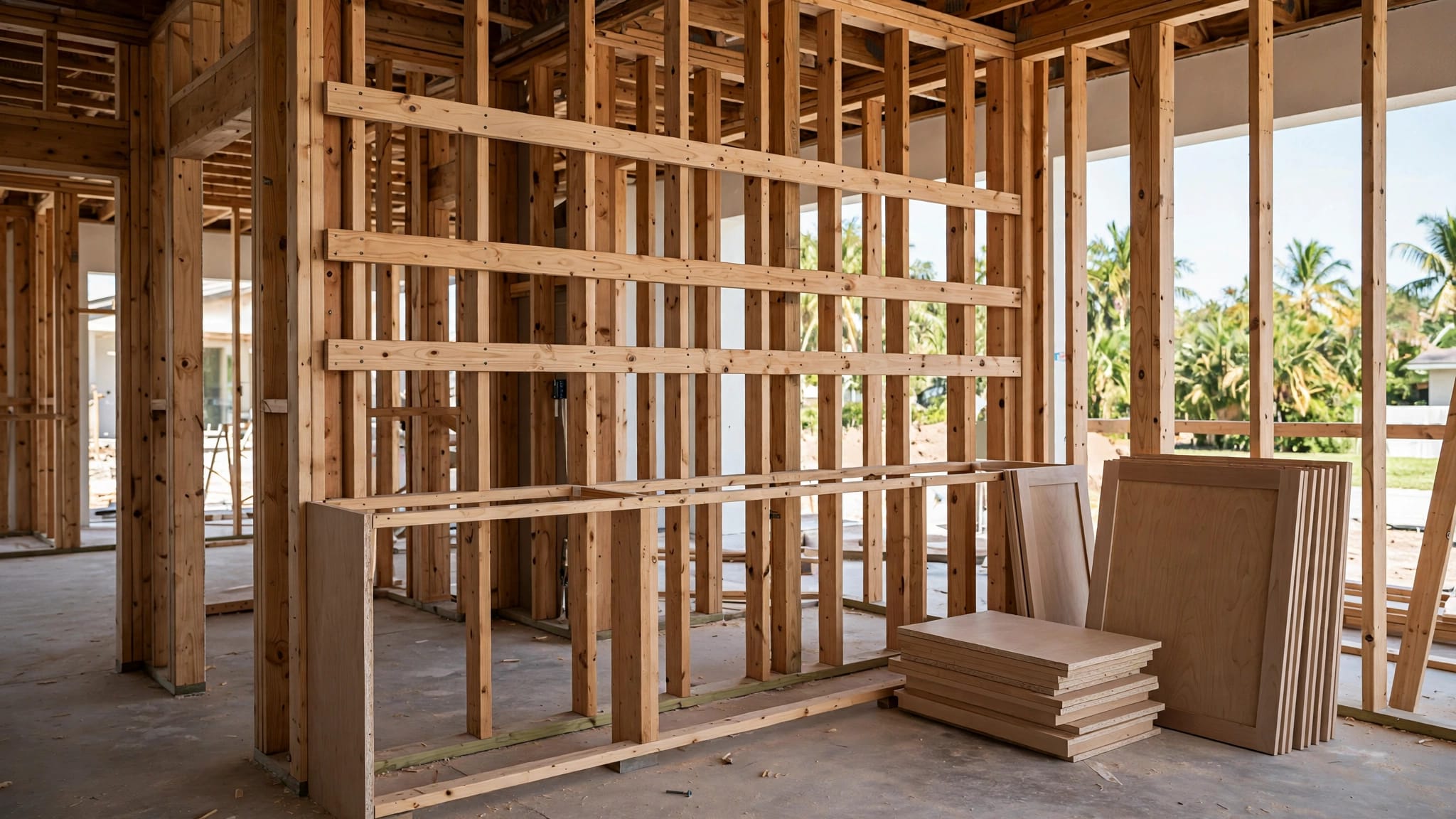
Ductwork often runs through a hot attic, behind finished surfaces, or above ceilings. A loose connection is much easier to reach before those areas close. Even when a postconstruction test is appropriate, leaving it until the last inspection window gives the crew little room to correct a failed result.
Leaks affect more than the paperwork
A supply leak can send cooled air into an attic instead of a bedroom. A return leak can draw hot, humid attic air toward the air handler. Either problem can make the system work harder and leave rooms less comfortable.
In Southwest Florida, humidity makes return-side leaks particularly concerning. A passing measurement helps confirm that the installed duct system performs as intended; it doesn't replace proper HVAC sizing, airflow setup, or insulation.
A failed result needs time to fix
If the test exceeds the applicable limit, the builder may need to arrange repairs and a retest. That work can involve an HVAC crew, the testing professional, and access to completed parts of the home.
Scheduling ahead of final inspection creates space for that sequence. It also gives the builder time to place the accepted report with the other closeout documents rather than searching for it on inspection day.
What Fort Myers duct leakage testing involves
A duct test measures air escaping from the duct system under a controlled pressure. The tester's setup and the result must match the compliance method approved for that home.
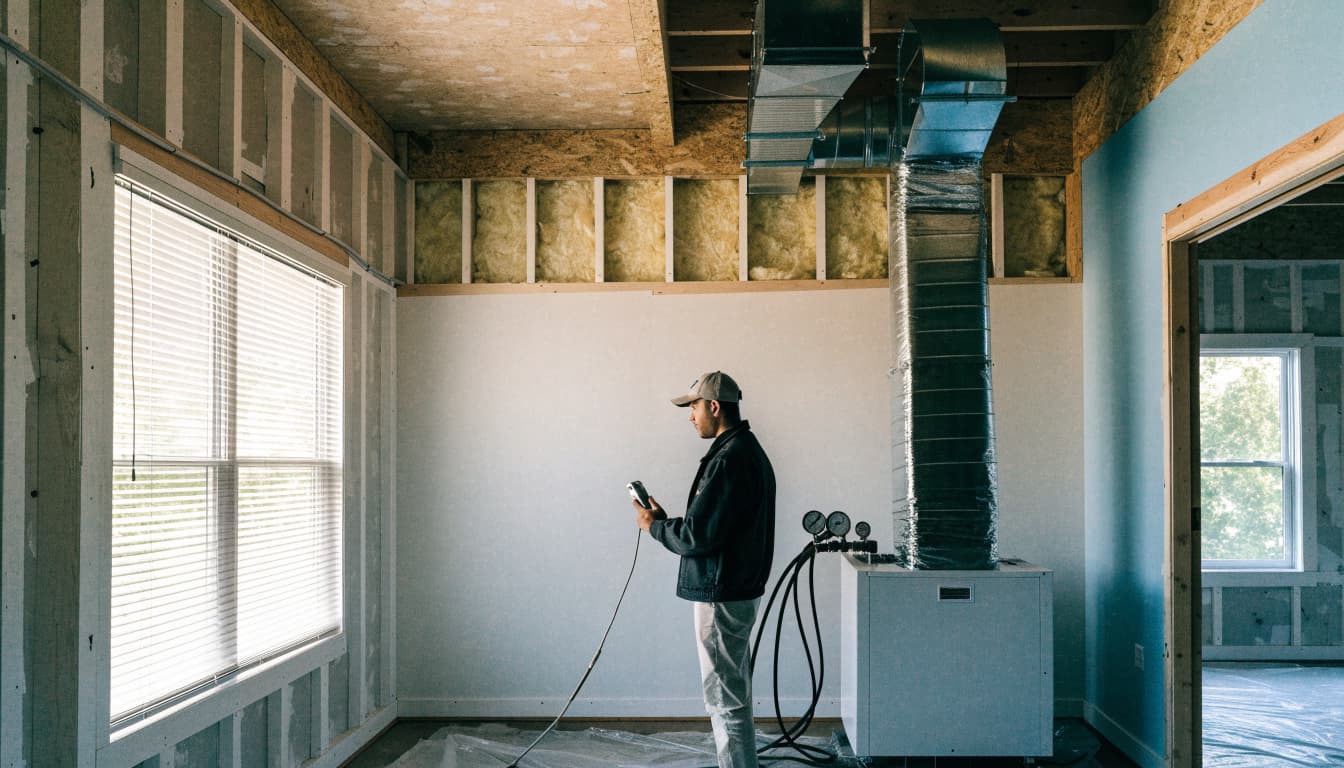
The tester pressurizes the duct system
For the duct testing described in the 2023 Florida Building Code, Energy Conservation, the tester seals the supply and return registers, then connects a calibrated fan to the system. The reported measurement is taken at 25 pascals, or about 0.1 inch of water-gauge pressure.
The equipment measures airflow needed to hold that pressure. The result is commonly expressed as cubic feet per minute at 25 pascals, or CFM25 . The tester compares it with the limit for the project's approved test stage and compliance path.
The test setup affects the result
A rough-in test happens while the system is still accessible. A postconstruction test happens after installation is complete. The code's rough-in limits also depend on whether the air handler is installed, so the two stages aren't interchangeable.
Ask the tester which components are included and how the registers will be sealed. The air-handler enclosure may be part of the tested system, as applicable. A report should identify the tested system, test stage, measured leakage, and passing criterion so the builder can resolve questions later.
Which Florida code limit applies to a new home?
As of September 2026, the applicable statewide code edition for current projects is generally the 2023 Florida Building Code, Energy Conservation, 8th Edition . Its residential duct-testing provision is Section R403.3.3. Still, the permit's approved documents and authority having jurisdiction determine what applies to a particular house.
For projects subject to that provision, the reported total-leakage limits differ by test stage:
| Test stage | Air handler status | Total-leakage limit at 25 Pa |
|---|---|---|
| Rough-in | Installed | 4 CFM per 100 square feet of conditioned floor area |
| Rough-in | Not installed | 3 CFM per 100 square feet of conditioned floor area |
| Postconstruction | Installed | 4 CFM per 100 square feet of conditioned floor area |
The stage matters: a builder shouldn't apply the postconstruction figure to an unfinished system simply because it's the more familiar number.
Check the compliance path and duct location
The 2023 provision includes an exception when the ducts and air handlers are entirely within the building thermal envelope. Its Section 405 performance path also has a reported duct-testing exception. Those details need review against the approved energy paperwork, not a guess based on where one duct run appears to be.
Florida's next code edition is scheduled to take effect December 31, 2026, and code changes can affect exceptions. For a home approaching that date, confirm the code edition attached to its permit and any applicable transition rules with the building department.
Confirm the correct building department
A Fort Myers mailing address doesn't establish who issued the permit. A property may fall under the City of Fort Myers or unincorporated Lee County, with different permit records and inspection procedures.
Don't assume either jurisdiction requires a duct-test report at a particular point in the final-inspection sequence without checking the permit conditions. Ask the building department which energy documents it expects and when they must be submitted.
When should builders schedule testing?
The best time is early enough to repair accessible ductwork and submit any required documentation before closeout. That may mean testing at rough-in, after the completed system is ready, or at both points when the project plan calls for it.
Coordinate testing with HVAC work
The builder, HVAC contractor, and tester should agree on the test stage before scheduling. At rough-in, duct connections and boots may still be visible. Later, the installed air handler, registers, and remaining connections must be ready for the approved postconstruction setup.
Other trades can disturb ducts after an early test. Before closeout, the HVAC contractor should check flex-duct connections, crushed runs, and accessible joints again. Fort Myers HVAC costs for new construction also deserve a close look when comparing proposals, because ductwork and commissioning details can vary between packages.
Leave room before permit closeout
Put the test on the construction schedule before the final inspection is requested, not on the same day. The builder needs time to receive the report, address a failure, and confirm how the result enters the permit record.
Inspection scheduling continues after the permit is issued. Planning around Fort Myers new-home permit timelines helps homeowners distinguish the permit date from the later inspections and approvals needed for occupancy.
How builders address a failed duct test
A failed measurement is a prompt to find the leakage path, repair it, and test again under the appropriate setup. Guessing at one joint and requesting an immediate retest can waste a visit if several connections are loose.
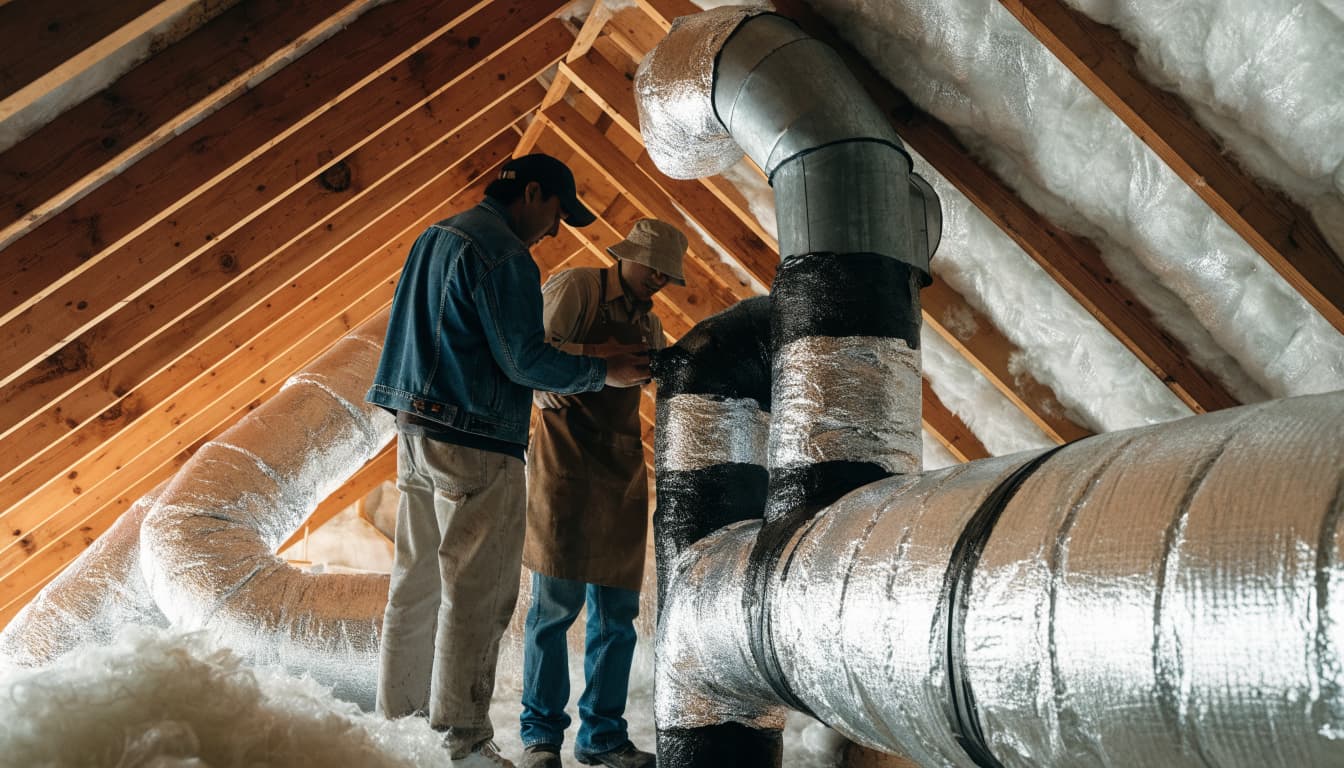
Inspect likely leak points first
The HVAC contractor can check duct-to-plenum joints, takeoffs, flex-duct collars, return connections, register boots, and the air-handler cabinet where applicable. A disconnected branch or poorly seated collar may account for more leakage than many small seams.
The crew should also review the test setup with the tester. An unsealed register or a mismatch between the tested system and the reported floor area can affect how a result is interpreted. Any correction to the setup calls for a properly documented test, not an informal adjustment to the number.
Make durable repairs, then retest
Appropriate sealing may include duct mastic or a listed tape approved for the material and connection. The HVAC contractor should follow product instructions and the approved installation details. A damaged flex duct or disconnected fitting may need repair or replacement rather than sealant alone.
After repairs, the tester repeats the applicable procedure and issues an updated report. If drywall or insulation blocks access, the builder should discuss the repair approach before opening finishes. That possibility is a strong reason to check accessible joints earlier in the build.
A repair isn't complete for closeout purposes until the revised test result matches the project's accepted criterion and the required report reaches the permit file.
Keep duct and envelope test records separate
A duct test checks the HVAC distribution system. A blower-door test checks air leakage through the home's conditioned enclosure. Sealing a duct collar won't necessarily fix an open ceiling chase, and closing a chase won't repair a leaking duct joint.
Lee County's Residential Building Guide lists an Envelope Leakage (Blower Door) Test Report and says required energy testing must occur before the Certificate of Occupancy. That guidance concerns the envelope report; it doesn't establish a countywide duct-test deadline before final inspection. Homeowners budgeting for both visits can review Southwest Florida new-home blower door test costs without treating the tests as substitutes.
Before insulation hides the work, builders can photograph sealed duct boots, return chases, and openings where ducts cross the home's air barrier. Keep those records with the approved energy documents and any required test reports. The photos help identify what was completed, but they don't replace a required measured result.
Key Takeaways
- Schedule an applicable duct test with enough time to repair leaks and retest before the final inspection window.
- Match the result to the approved code edition, compliance path, test stage, and air-handler status.
- Confirm submission and inspection timing with the City of Fort Myers or Lee County, whichever issued the permit.
- Keep duct-leakage and blower-door reports separate. They measure different parts of the home.
Common questions before a new home's final inspection
Does every Fort Myers new home need a duct test?
No single answer fits every permit. Duct location, the approved energy compliance path, and the applicable code edition can affect whether testing is required. The 2023 code includes exceptions, so ask the builder to show how the approved energy documents address the duct system.
Even where an exception applies, sound duct connections still matter. A visual review before insulation or drywall can catch damage that would be costly to reach later.
Can a blower-door result replace a duct result?
No. The blower door measures leakage through the building enclosure. A duct tester measures leakage from the HVAC distribution system under its test procedure. If the permit requires both reports, one passing result doesn't cover the other.
The builder should identify each report by name when confirming closeout requirements. That prevents an envelope test from being mistaken for missing duct documentation.
What if the house is nearly finished?
A postconstruction duct test may be the appropriate approved stage, provided the system is ready and the applicable procedure allows it. If the result fails, accessible connections should be checked first. Repairs behind finishes can take longer, which is why early coordination pays off.
Conclusion
A finished-looking home can still have a leaking duct connection hidden above the ceiling. Test timing gives the builder a chance to find and fix that problem before closeout becomes urgent.
For a Fort Myers-area new build, start with the approved energy documents and the correct building department. Then schedule any applicable duct test early enough for repairs, a retest, and a complete report before the final inspection process reaches its last steps.