

A single burrow can slow a Southwest Florida build before the first load of fill arrives. If you are planning a new home, the gopher tortoise rules can affect clearing, grading, and permit timing long before the slab is poured.
The details depend on site conditions and local jurisdiction, so a lot across the street may face a different path. For owners, builders, and developers, the safest move is to treat wildlife review as early due diligence, not a last-minute fix.
The 25-foot rule that shapes most site decisions
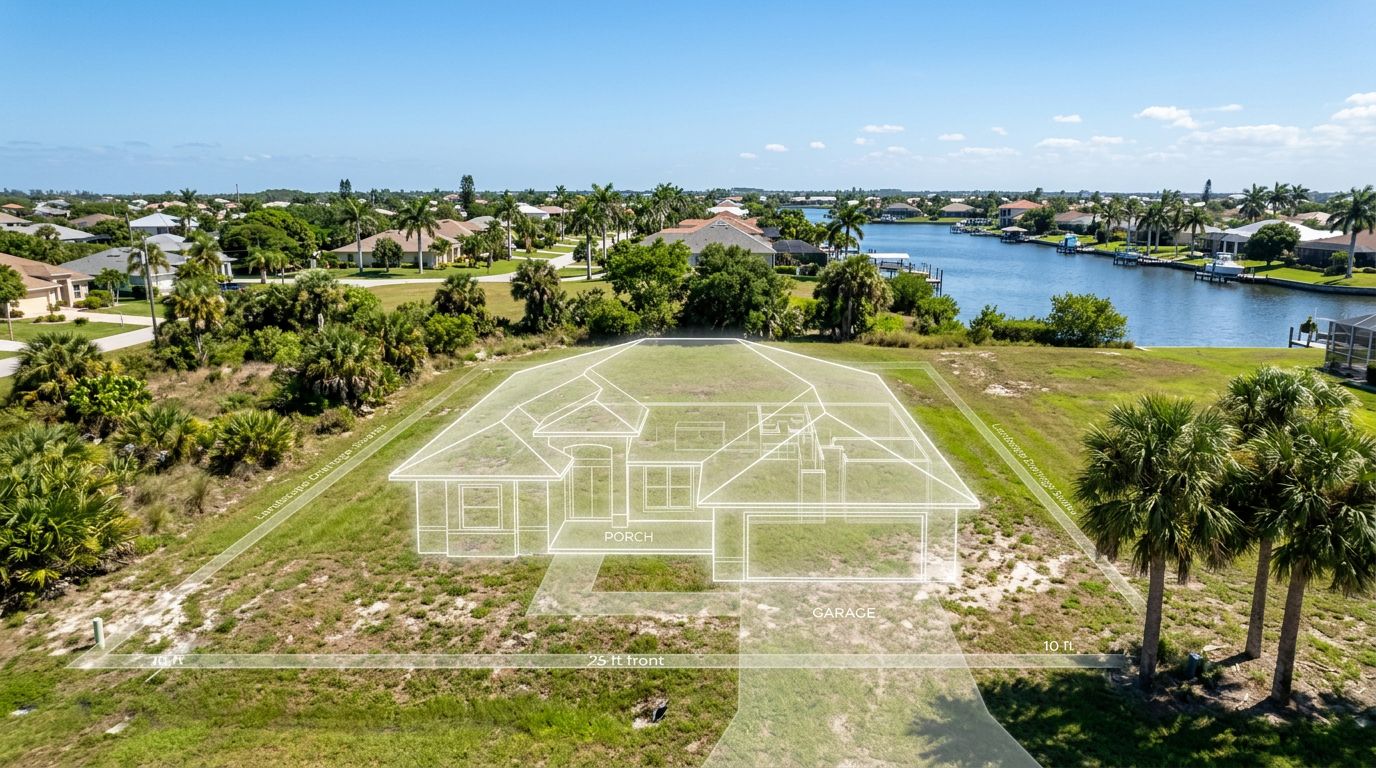
The main 2026 takeaway is simple. If your project will come within 25 feet of a gopher tortoise burrow, stop and confirm the next step before clearing starts.
Florida protects both the tortoise and the burrow. That means grading, trenching, piling material, or staging heavy equipment near a burrow can trigger a permit problem fast. If all work stays outside that 25-foot area and the burrow stays intact, a permit may not be needed.
Routine lawn care is different from construction. Normal mowing and light landscaping usually do not need a permit if they do not collapse a burrow or harm a tortoise.
If a burrow is on the lot, treat it like a site constraint, not a surprise during clearing.
The rule is easy to say and easy to miss. A vacant lot can still hold protected habitat, and the lot does not lose that status because the ground looks clean on the surface.
How the permit path usually works on a new build lot
The permit path depends on how many burrows are present and whether the site has already been disturbed. In practice, most new-home projects start with a survey, a burrow check, and then a decision from FWC or a permitted wildlife agent.
Here is the usual framework.
| Situation | Common permit path | What it means for the job |
|---|---|---|
| Work stays at least 25 feet from the burrow, and the burrow will not be harmed | Often no permit is needed | Clearing may move ahead after the site is verified |
| 10 or fewer burrows on a single-home lot | 10 or Fewer Burrows Relocation Permit | Tortoises are moved off-site by an authorized agent before clearing |
| More than 10 burrows | Conservation Permit | The process takes more planning and more coordination |
| The lot was already scraped, graded, or disturbed before review | Disturbed Site Permit | The earlier work can change the permit path and slow the reset |
The exact path can shift with the local office and the site itself. County staff, city reviewers, and wildlife consultants may ask for different support documents.
Relocation is not a DIY task. Tortoises should only be moved by an authorized gopher tortoise agent, and the recipient site must be approved.
A practical pre-clearing checklist for owners and builders
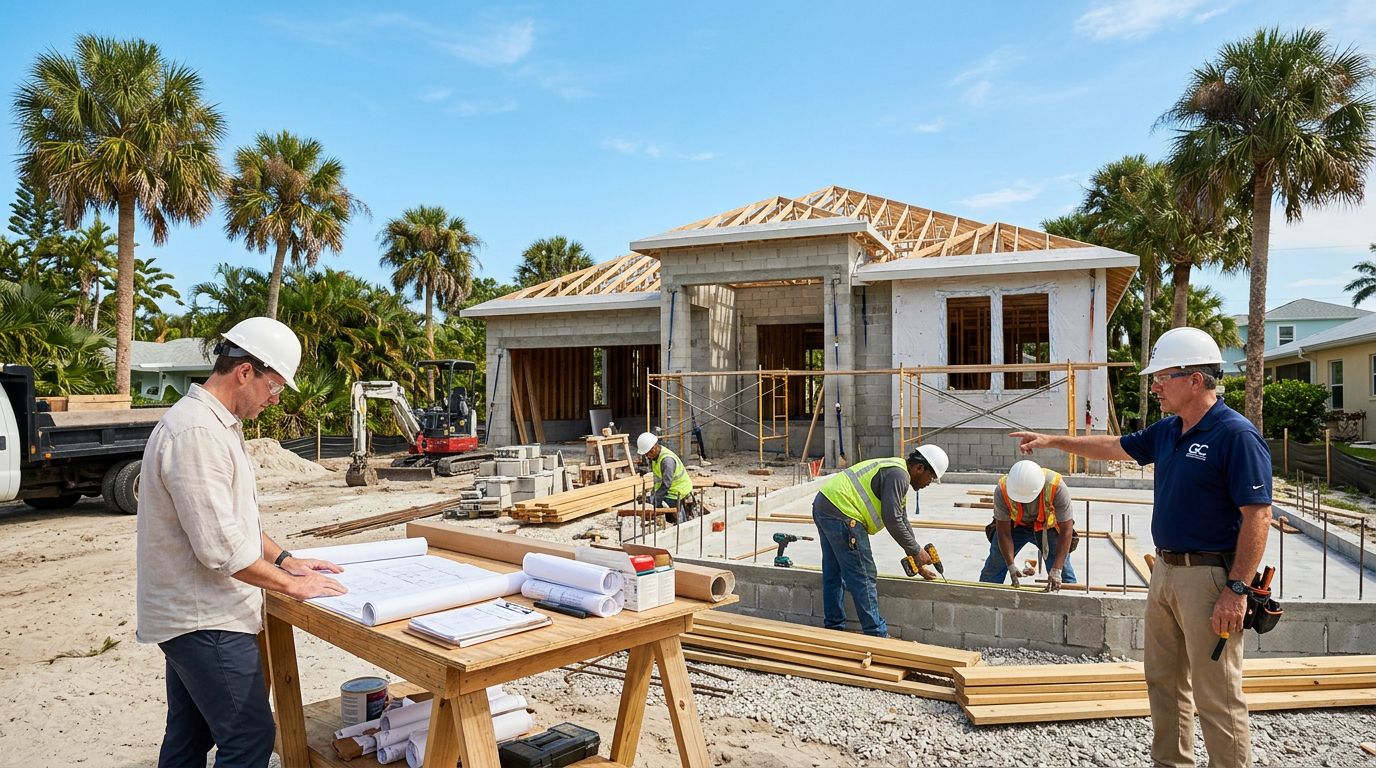
Before a dozer rolls in, the lot needs a clean paper trail. That paper trail starts early, often before final pricing or final lot grading.
- Order a current survey and site plan.
- Walk the lot with the builder or site manager.
- Mark any burrow sign with photos and notes.
- Call for wildlife review before clearing if a burrow is present or suspected.
- Keep equipment, fill piles, and staging areas outside the 25-foot zone.
- Save written approvals, dates, and contact names in the permit file.
Survey work belongs in the first week of planning, and pre-construction surveying and elevation requirements usually feed the same permit packet. When those documents are current, the permit set is easier to review and easier to defend.
Local offices in Lee County, Collier County, Charlotte County, and nearby cities may ask for different attachments. That is normal. What matters is keeping the file complete before clearing starts.
Common mistakes that slow permits or clearing
Most delays come from small, avoidable slips. The worst part is that they often happen before anyone notices a problem.
- Starting clearing before a burrow check.
- Assuming a vacant lot has no wildlife review.
- Moving dirt, filling holes, or marking burrows without approval.
- Ignoring another protected-species issue on the same site.
Southwest Florida lots can involve more than one wildlife rule. For example, some parcels also trigger burrowing owl habitat protections, which means one site walk can uncover two separate review tracks.
Any of these mistakes can push the schedule back. They can also force a revised plan set, which costs time and adds friction with the local reviewer.
The easiest fix is simple. Confirm the habitat issue first, then schedule the machines.
What gopher tortoise compliance means for cost and schedule
Wildlife compliance affects more than the permit file. It can change how fast the lot clears, when excavation starts, and how the budget is presented.
That matters on a cost-plus home builder contract, because the numbers should stay visible. With transparent pricing , the owner can see survey work, wildlife review, relocation costs, permit prep, and any standby time as separate line items. That makes the budget easier to read and the schedule easier to explain.
A buried fee creates confusion. An itemized fee does not. If a tortoise issue appears, clear pricing helps you see what changed and why.
That is especially useful for buyers comparing parcels or developers holding multiple lots. One site may clear quickly, while another needs extra review before work can start. When the pricing is open, the tradeoff is easier to judge.
A good build file should answer a few basic questions early:
- Has the lot been surveyed for burrows?
- Is the site inside the 25-foot buffer?
- Does the project need relocation, conservation, or a disturbed-site permit?
- Who is handling the wildlife work, and when?
- Is the permit set ready before clearing is booked?
If those answers are clear, the rest of the job is easier to schedule.
Conclusion
A gopher tortoise burrow can change the path of a Southwest Florida build, but it does not have to derail the project. The key is to treat the lot as a site-specific case, stay clear of the 25-foot zone, and confirm the permit path before clearing starts.
When wildlife review happens early, permits are cleaner, delays are easier to avoid, and the budget stays more honest. In 2026, the smartest move is still the simplest one: check the ground first, then build on it.