


A house can look perfect on paper and still miss the height rule by a few feet.
That matters in Lee County, where roof pitch, flood elevation, zoning, and parcel location all affect the final number. If you're planning a new home in Southwest Florida, height should be one of the first design checks, not a detail you leave for the end.
As of June 2026, the current county code still points to a 35-foot limit in many cases, but that doesn't tell the whole story. The exact answer depends on the lot, the district, and whether flood rules change the measuring point.
The county's baseline height rule
For many new homes in Lee County, the starting point is a 35-foot height limit above grade, or above base flood elevation where that rule applies. In some areas, the roof peak also cannot go over 38 feet .
That sounds simple until you look at a real parcel. One lot may be measured from natural grade, while another is measured from a flood-related elevation point. A raised home near water can lose usable height faster than a similar home on higher ground.
The county's current code material also points back to Ordinance 23-22, and online code libraries can lag behind local changes. No separate 2026 replacement rule showed up in the current county code material I reviewed, so the safest reading is that these height limits still apply unless a newer ordinance changes them.
A quick side-by-side view helps show how the same rule can land differently on different lots.
| Situation | What to check | Why it matters |
|---|---|---|
| Standard residential lot | 35-foot height cap | Roof pitch and story count fit more easily |
| Flood-prone parcel | Height measured from base flood elevation | A raised foundation uses up the allowance |
| Certain zoning areas | 38-foot roof peak limit | Steeper roof designs may need changes |
| Upper Captiva Island | 35-foot limit, no variance | Flexibility is much tighter |
A plan that fits on paper can fail once flood elevation and roof peak limits are applied.
The main takeaway is simple. The number may start at 35 feet, but the measuring point and local district can change everything.
Why zoning, overlays, and flood rules can change the answer
Lee County height limits are not controlled by one rule alone. Zoning districts, overlays, flood zones, and city boundaries can all change the result. In coastal parts of the county, flood-related construction rules often matter as much as zoning, because the building may need to be measured from base flood elevation or design flood elevation .
That matters for any home near water, canals, or low-lying ground. A home that sits higher on the lot may have more room for roof shape and second-floor space. A home that needs to rise on stilts or a tall stem wall may hit the cap sooner.
If you are weighing roof style and structure together, Southwest Florida building codes for hurricane zones shows why height, wind design, and house shape are tied together in this part of Florida.
The biggest factors that can change your allowable height are:
- Zoning district , because different districts can carry different limits.
- Flood zone status , because the measuring point may shift upward.
- Overlays and special areas , which can add local restrictions.
- City jurisdiction , since Fort Myers, Cape Coral, and other cities may apply their own rules.
- Parcel conditions , such as lot grade, drainage, and elevation differences.
Upper Captiva is one of the clearest examples. The county code shows a 35-foot cap there, and no variance is allowed. That leaves little room for design changes once the lot layout is set.
If flood elevation changes the measuring point, your home can lose height before the roofline is even drawn.
This is why a basic zoning answer is not enough. You need the rule for the exact parcel, not a broad county-wide guess.
How height limits shape your floor plan, roof, and budget
Height rules do more than limit how tall your house can be. They affect the whole design. A steeper roof can add charm, but it also eats into the height allowance. A two-story plan can work better than a wide single-story home on one lot, while another lot may need the opposite.
Height can also change the site plan. If the county allows you to exceed the zoning height limit, the code says setbacks must increase by 1/2 foot for every 1 foot of extra height. That can shrink the buildable area faster than many owners expect.
If your lot is inside the city, local spacing rules may also matter. The Fort Myers residential setback guidelines show how local lot limits can combine with height rules and trim the footprint before the first wall goes up.
For homeowners and custom buyers, the budget side matters just as much as the design side. A taller roof may need different trusses. A raised structure may need more fill, more foundation work, or longer stairs. Garage layout can shift too, especially on narrow or flood-affected lots.
This is where a cost-plus home builder can help. With transparent pricing , you can see how each design choice affects the cost before it becomes a surprise. That matters when a taller wall package, extra framing, or flood-related elevation work changes the plan.
The clearest way to think about height is this: it is not one line item. It is a chain of decisions that touches structure, site work, and budget all at once.
The smartest way to confirm the allowable height on your lot
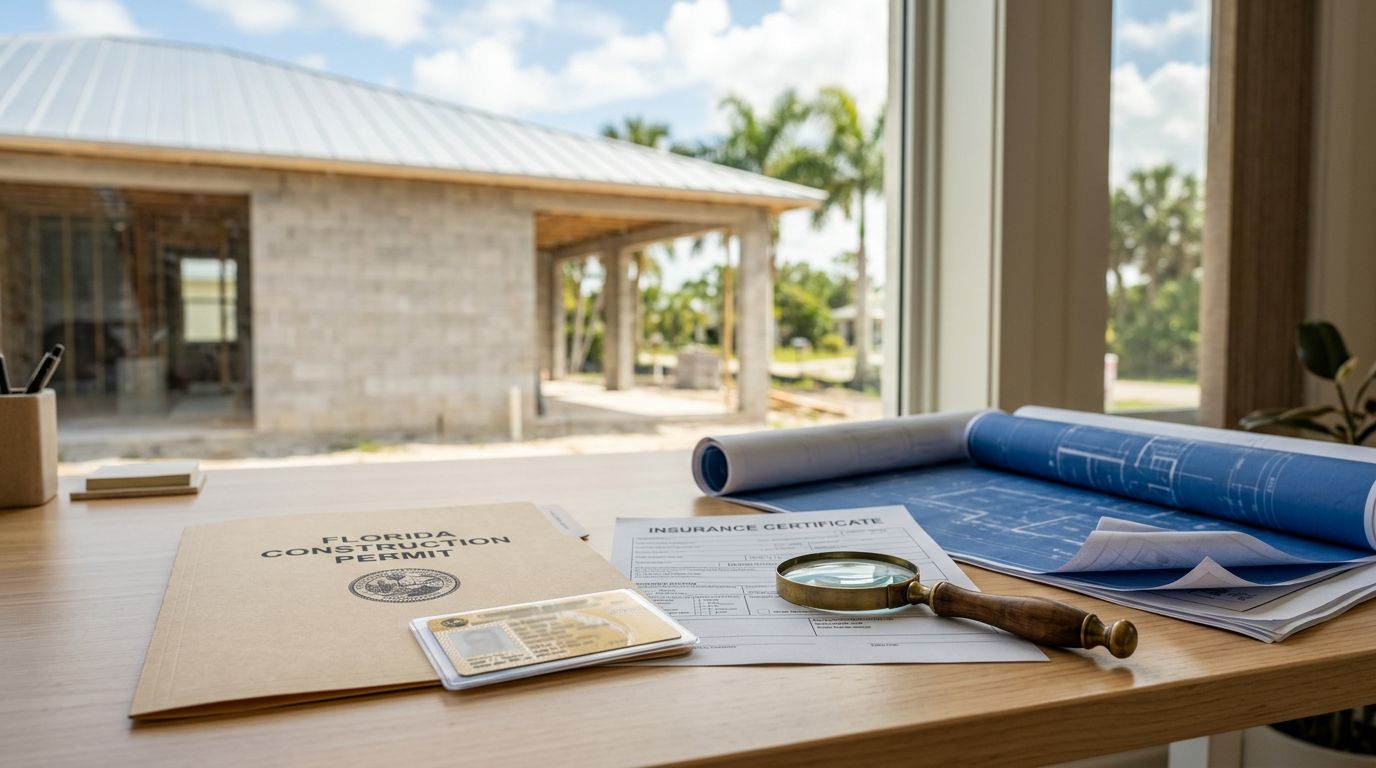
The fastest way to avoid design trouble is to confirm the rule set before you settle on a floor plan. Lee County permitting or zoning can tell you how the county will measure height on your parcel, and whether any overlay or flood rule changes the answer.
Bring the right documents when you ask. That makes the answer much more reliable.
- Start with the parcel ID and a current survey.
- Ask which zoning district applies to the lot.
- Confirm whether the property sits in a flood zone.
- Ask how the county measures height on that parcel.
- Check whether the lot is in county jurisdiction or inside a city.
- Request written confirmation if the answer affects your plan.
If the property is inside Fort Myers, Cape Coral, or another city, check with that city too. County rules and city rules do not always line up in the same way.
This step matters even more if you are changing the roof pitch, raising the home, or planning a second story. A permit set can be delayed if the drawings use the wrong measuring point or ignore a local overlay.
The permit review often turns on the measuring point, not just the number on the page.
A short call now can save weeks later. It can also stop a design from drifting into changes that cost more than expected.
Conclusion
Lee County height limits for new homes in 2026 start with a 35-foot cap in many cases, with a 38-foot roof peak limit in some areas. Still, the real answer depends on zoning, overlays, flood elevation, and the exact parcel conditions.
That is why a one-size-fits-all rule rarely works here. Before you lock in a two-story plan or a steep roofline, confirm the details with Lee County permitting or zoning. One careful check can keep the design, the budget, and the permit path aligned from the start.