When Does Gunite Pool Resurfacing Need a Full Chip-Out?
Explore Our Services
Contact Us Today!
(239) 322-9295
A full gunite pool chip-out may be needed when the existing finish can't provide a sound, compatible base for a new surface. Widespread delamination, several unstable finish layers, or damaged material beneath the plaster can all justify more extensive removal.
For Southwest Florida homeowners, the decision comes down to what's bonded and what's underneath . A thorough inspection helps distinguish a pool that needs selective preparation from one that needs its entire finish removed.
What a Full Chip-Out Removes
A full chip-out removes the existing interior finish across the pool rather than only at isolated damaged spots. The crew generally removes the finish down to a sound substrate, often the gunite shell, so the new finish system has an appropriate base.
The Finish and Shell Have Different Jobs
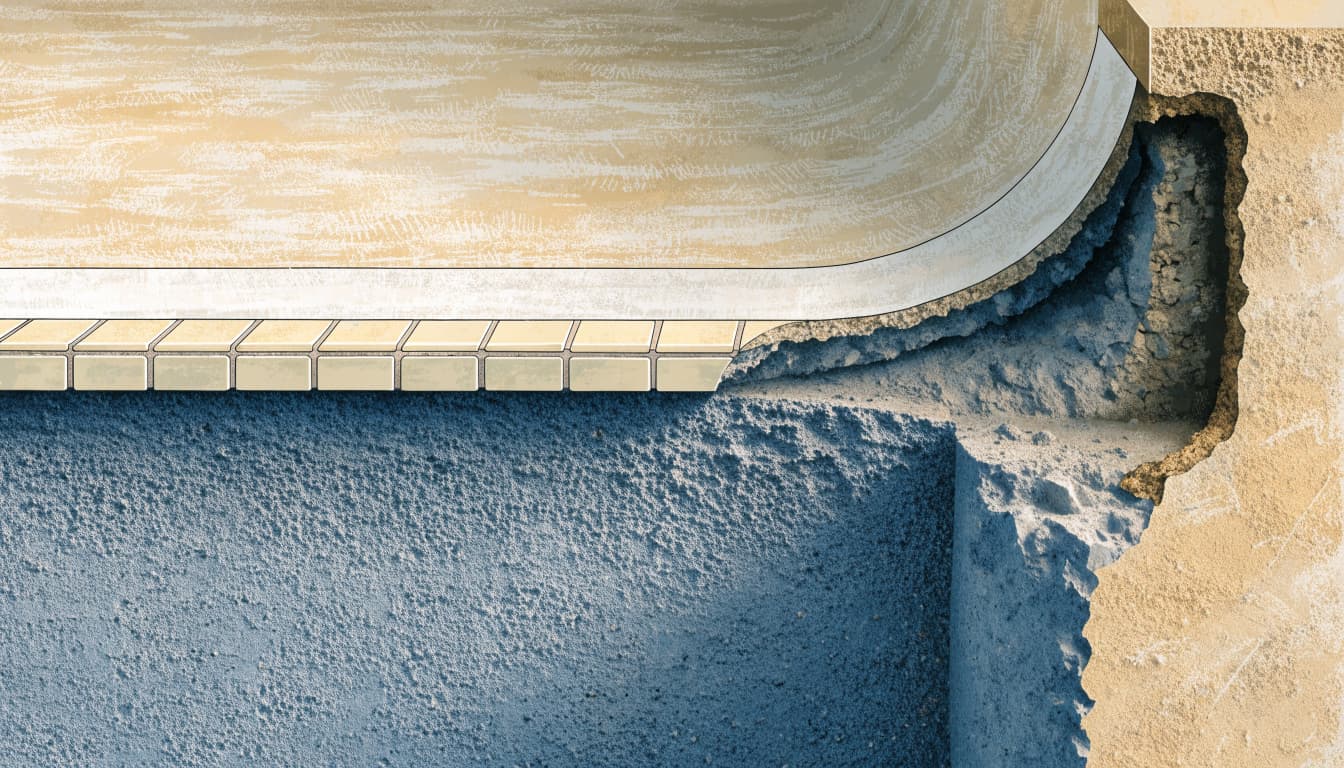
The reinforced gunite or shotcrete shell gives the pool its structure. The interior finish, such as plaster, quartz, or pebble aggregate, covers the shell and creates the surface you see and touch.
A chip-out targets the finish and any unsound material that must come away. It doesn't automatically replace the structural shell. If removal exposes damaged concrete, that area needs a separate assessment and repair plan before resurfacing continues.
Selective Removal Leaves Sound Material in Place
With selective preparation, the crew removes loose, hollow, or otherwise unsuitable sections while retaining areas that are sound and compatible with the new finish system. The remaining surface still needs preparation before the new material goes on.
Both approaches involve removing failed material. The difference is how much existing finish remains when preparation is complete.
Warning Signs That Call for Closer Inspection
A rough pool finish doesn't necessarily require a full chip-out. The pattern of the damage, its depth, and the condition of surrounding areas matter more than appearance alone.
Hollow Areas, Blisters, and Peeling
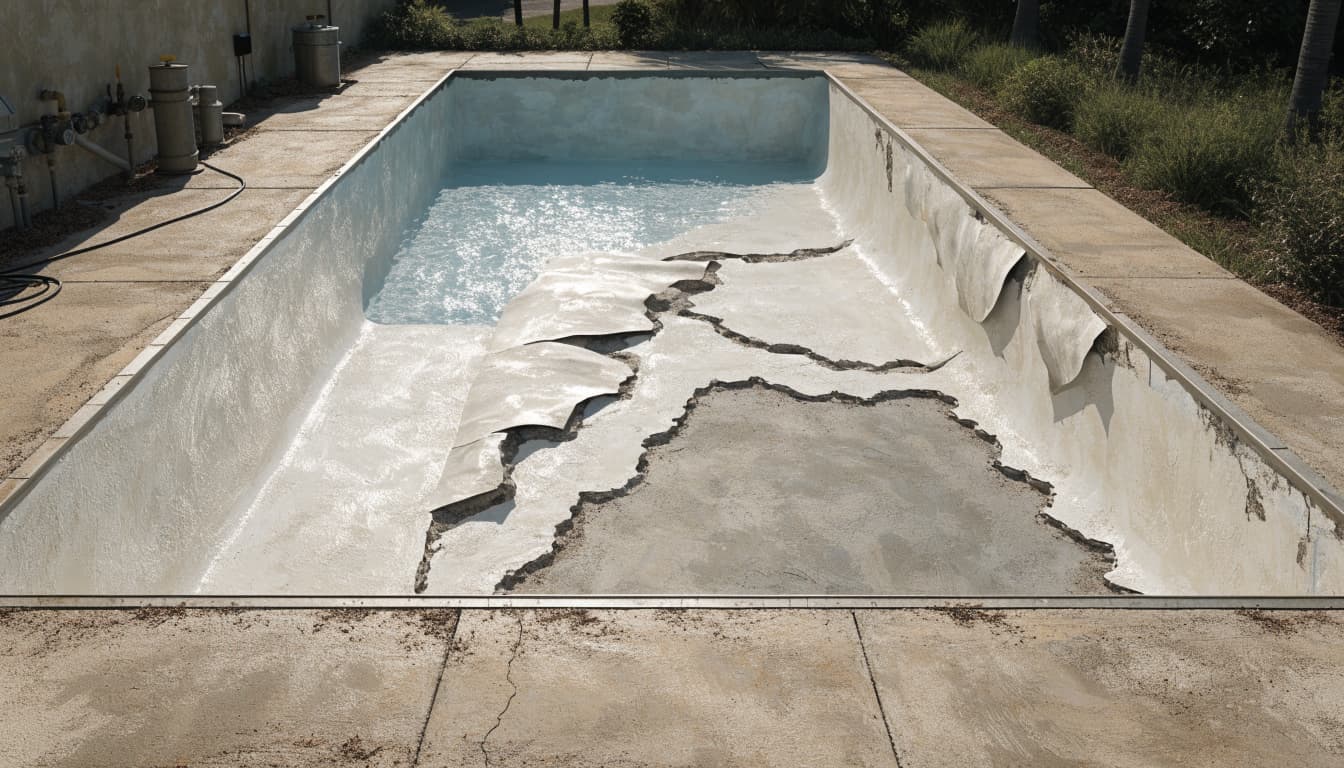
A hollow sound when a professional taps the finish can indicate that a layer has separated from the material beneath it. Blisters, flaking, or pieces that lift away can also point to bond failure.
If those conditions appear across many walls and floor areas, retaining the old finish may be less practical. A small isolated hollow spot, however, may be suitable for localized removal. Sounding is an inspection tool, not a complete diagnosis on its own.
Cracks, Rust Marks, and Water Loss
Cracks that widen or return after patching, rust-colored stains, and separation around fittings deserve attention before the pool receives a new finish. Excessive water loss also warrants investigation, although evaporation and splashing can affect the water level.
These symptoms don't prove the shell has failed or that a full chip-out is necessary. They do raise questions that finish work alone can't answer. Our guide to signs a gunite pool needs resurfacing explains the difference between surface wear and conditions that need a closer look.
Why Old Finish Layers Can Change the Plan
A pool resurfaced more than once may have several layers beneath the surface. Each layer adds another bond that must remain sound if the contractor plans to leave it in place.
Multiple Layers and Uncertain Bonds
An older finish may appear solid at the surface while an underlying layer has separated. Likewise, a previous coating or repair may not be compatible with the proposed finish system.
A contractor can inspect exposed edges or remove a small test area to identify the layers and assess their condition. If weak bonds extend throughout the pool, removing all the finish may provide a more reliable starting point than covering the existing layers.
Damaged Material Beneath the Finish
Sometimes the issue extends beyond the plaster. Crumbling material, cracks, or signs of corrosion beneath the finish may need investigation after the surface comes off.
The appropriate response depends on what the crew finds. An isolated defect may call for a targeted repair, while extensive deterioration can change the scope of preparation and repair. A structural concern may also require an engineer's assessment.
Removing a finish gives the contractor access to the material beneath it. It doesn't, by itself, repair a crack, leak, or weakened section of the shell.
Full Chip-Out or Localized Removal?
The choice depends on whether the existing finish can support the proposed new surface across the pool. This comparison shows how the two approaches differ.
| Consideration | Localized removal | Full chip-out |
|---|---|---|
| Existing finish | Sound, compatible areas remain | Existing finish is removed across the pool |
| Failed spots | Removed and prepared for repair | Removed along with the surrounding finish |
| Underlying surface | Partly visible after preparation | More of the substrate is exposed |
| Typical scope | Focused on unsuitable areas | Broader demolition and preparation |
Selective removal can make sense when failure is limited and the remaining layers are suitable for the chosen finish. Full removal becomes more compelling when weak bonds are widespread or when the existing layers don't offer a dependable base.
Neither option eliminates the need to repair the shell or plumbing if those components are damaged.
A Practical Inspection and Decision Checklist
The condition under the finish isn't always fully visible before demolition. Use the inspection to establish an initial scope and a process for addressing anything the crew uncovers.
- Document the pool's history. Gather available information about previous resurfacing, patches, leaks, and repairs. Photos of recurring cracks or peeling can help show how a problem has changed.
- Identify visible trouble spots. Note rough or flaking areas, blisters, rust-colored marks, cracks, and separation near steps or fittings. Tell the contractor about unusual water loss.
- Have the finish assessed. A pool professional can examine and sound accessible areas for signs of delamination. A test area may help reveal the number and condition of existing layers.
- Separate finish problems from other defects. Depending on the symptoms, the pool may need leak detection or a closer review of cracks and fittings. A new finish won't repair a leaking pipe.
- Compare the proposed scopes. The estimate should explain which material will be removed, what will remain, and how the crew will prepare the surface for the selected finish.
- Plan for discoveries. Ask how the contractor will document concealed damage and price additional work before proceeding.
This process gives you a basis for comparing bids. A lower price may cover less demolition or exclude repairs another proposal includes.
Draining and Preparation in Southwest Florida
Removing the finish usually requires an empty pool. In Southwest Florida, drainage deserves attention because groundwater and wet weather can affect an empty pool.
Protecting the Empty Shell
An empty pool can be vulnerable to hydrostatic pressure when groundwater pushes upward beneath it. In serious circumstances, a pool shell can lift or shift. The risk depends on site conditions, so draining and managing groundwater belong with an experienced pool professional.
Water disposal also needs a plan appropriate for the property and local requirements. Don't drain the pool yourself to get a head start on the crew.
Preparing the Exposed Surface
After removal, the contractor evaluates the exposed material and completes necessary repairs and cleaning. The preparation method and any bonding products need to work with the selected finish system.
Steps, benches, drains, returns, and the transition at the waterline all need attention. These details affect how the new surface meets existing components and can reveal damage that wasn't obvious while the pool was full.
What Affects the Cost of a Chip-Out?
A full chip-out generally involves more removal and debris handling than taking out a few loose sections. The final scope depends on the pool and what the crew finds beneath the finish.
Pool Size, Access, and Existing Layers
A larger pool has more interior surface to prepare. Attached spas, benches, deep areas, and tight spaces around fittings can add work.
Access matters, too. A narrow side yard, screen enclosure, or long path to debris removal can complicate the job. Multiple old layers or difficult-to-remove coatings may also increase labor.
Repairs and the New Finish
The quote can change if removal exposes concrete damage, plumbing problems, or other defects that weren't visible beforehand. Tile, coping, and deck work are separate decisions that may be included in a broader renovation.
For general planning, a published Southwest Florida resurfacing guide places many gunite resurfacing projects around $5,000 to $15,000, depending on the finish and scope. That is not a full chip-out price . Extensive removal and repairs need their own project-specific estimate.
The choice of plaster, quartz, or pebble also affects the overall budget. Our guide to gunite pool finish options covers the selection in more detail.
Questions to Ask Your Pool Contractor
A useful proposal should explain both the recommended work and the reason for it. Bring these questions to the conversation:
- Where did you find hollow, loose, or incompatible material, and how extensive is it?
- Do you recommend removing the entire finish or only selected areas? What supports that choice?
- How will you assess and prepare the material left beneath the old finish?
- What shell, leak, or plumbing repairs are included, and what would be additional?
- How will you document unexpected damage and obtain approval for a change in scope?
- What drainage, debris removal, refill, and startup work does the proposal include?
- What are the payment terms, expected schedule, and warranty terms?
Also ask about licensing, insurance, and references. A clear answer on scope is particularly useful when two estimates recommend different amounts of removal.
What Happens After Removal?
Once the finish is off, the contractor can assess the exposed areas and address defects within the agreed scope. If the crew finds concealed damage, the repair plan may need to change before the new surface goes on.
After preparation and repairs, the new finish is installed and the pool is filled. Startup care matters: follow the written instructions for circulation, brushing, water testing, and chemical adjustments.
Weather, repairs, finish selection, and curing requirements can affect the schedule. Leave room for the work to proceed in the right order rather than treating the refill date as the only measure of progress.
Start With the Condition Beneath the Finish
A full chip-out is a preparation decision based on the condition and compatibility of the existing layers. Widespread bond failure or unsuitable material can justify complete removal, while sound areas may allow a more limited approach.
The most useful estimate explains what will come off and why . It also separates finish preparation from any shell or plumbing repairs the pool needs.