Can You Enlarge an Existing Gunite Pool?
Explore Our Services
Contact Us Today!
(239) 322-9295
Yes, you can sometimes enlarge an existing gunite pool without replacing the entire shell. The project may extend the pool's footprint or change its depth while retaining suitable portions of the original structure.
The key distinction is that enlargement is structural work , not a resurfacing project. Your pool's condition and the space around it will shape what's possible, so a professional assessment is the starting point.
Key Takeaways
A gunite pool can sometimes be made longer, wider, or deeper without a complete rebuild. The existing shell and proposed design determine how much of the original pool can stay.
Enlargement also involves more than the underwater surface. The deck, coping, tile, circulation system, and surrounding yard all belong in the project plan.
In Southwest Florida, groundwater, drainage, and access deserve attention early. A written scope makes it easier to compare an enlargement proposal with one for a new pool.
How Can a Gunite Pool's Footprint Be Enlarged?
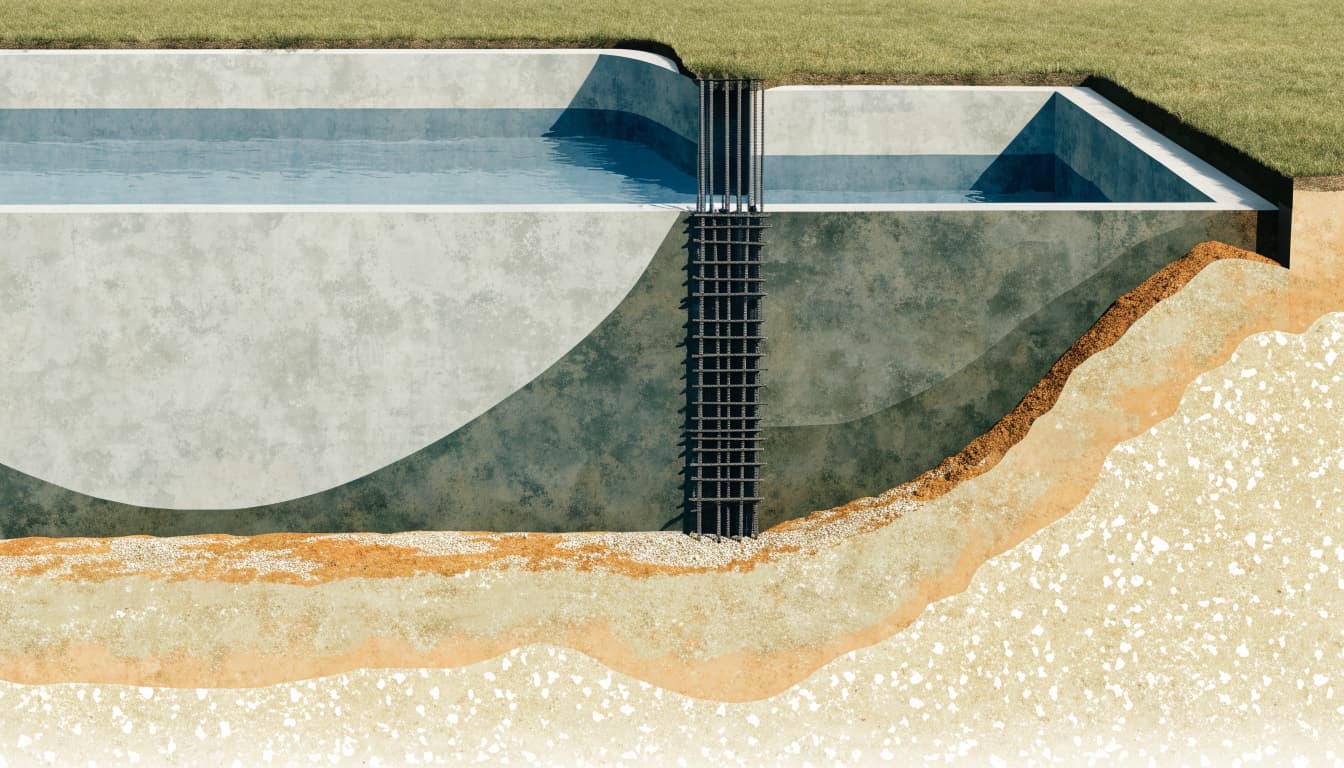
A footprint expansion changes the pool's outline. Depending on the property and existing structure, the new design might extend one end, widen one side, or reshape part of a freeform pool.
Extending the length or width
A longer pool can give swimmers more room to move, while a wider pool can provide more space for family use. The choice depends on where the yard has usable room and how the new outline fits with the house and patio.
Some of the existing pool structure may remain, but the portion being expanded must become part of the new design. A structural assessment helps determine which sections are suitable to keep.
Reshaping part of the pool
A footprint change doesn't have to mean turning a small rectangle into a larger rectangle. A revised outline can create a broader swimming area or accommodate a new entry.
Our Fort Myers Beach pool renovations include pool shape modifications, along with updates such as tile, coping, and deck work. The right combination depends on the existing pool and your goals for the space.
Can You Make a Gunite Pool Deeper?
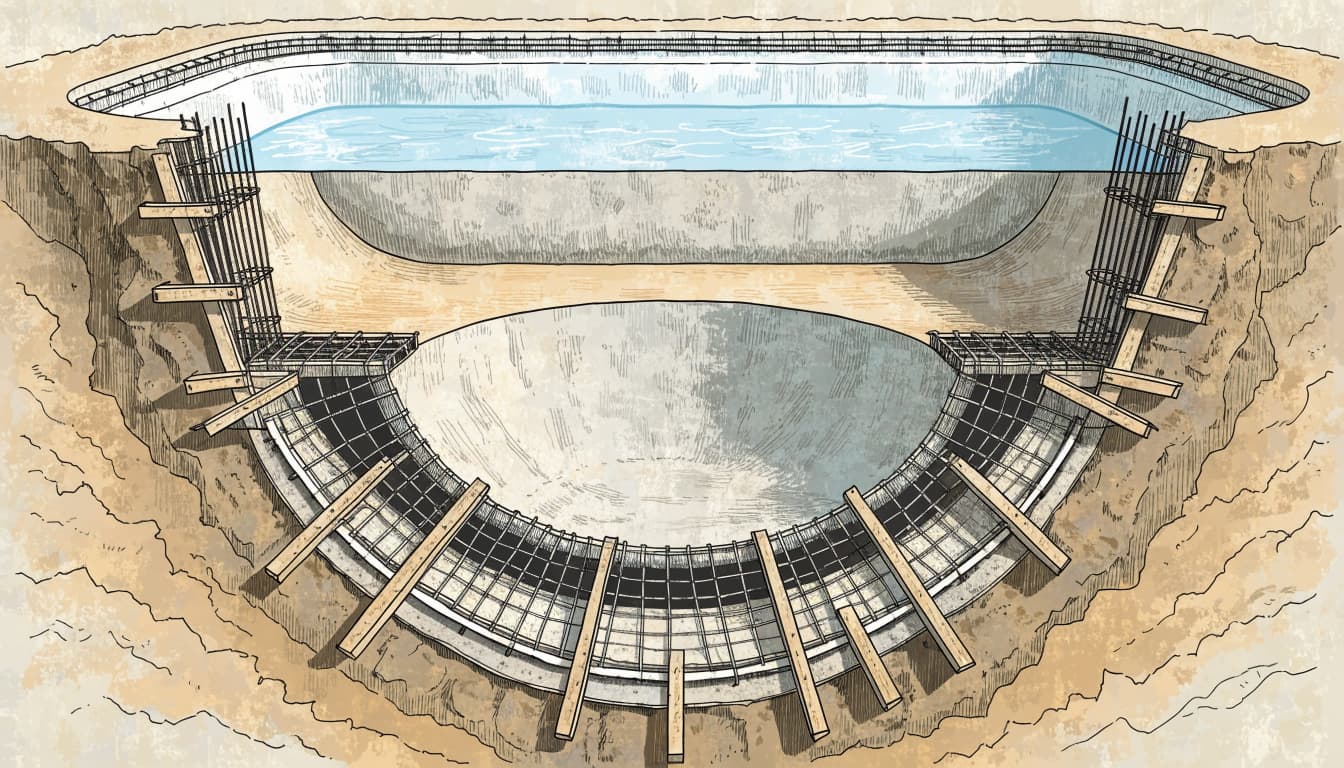
Changing a gunite pool's depth is sometimes possible during renovation. It changes the floor profile and the structure beneath the finish, so it requires a project-specific assessment.
Changing the floor profile
A depth change may be appealing if you want a different swimming area or a more gradual transition between shallow and deep water. The proposed floor shape also needs to work with the pool's steps, benches, and existing layout.
Resurfacing alone won't create a deeper pool. A new interior finish changes the surface you see and touch, while the pool's structural shape determines its depth.
Planning for safe use
Start with how you want to use the deeper area. Space for swimming is one goal; a pool intended for diving has different considerations.
A deeper end by itself doesn't establish that a pool is safe for a diving board. The pool's dimensions, the board, its anchoring system, and the applicable requirements all matter. Existing mounting holes aren't proof that a board is suitable.
What Determines Whether an Existing Pool Can Be Enlarged?
The most useful answer comes from looking at the pool and property together. A design that fits one backyard may not fit another, even when both pools look similar above the water.
The condition of the existing shell
Cracks, movement, leaks, or deterioration deserve attention before deciding how much of the pool to retain. A problem in the finish doesn't automatically mean the entire shell has failed, but a fresh finish won't resolve an underlying structural issue.
The assessment also considers what is known about the existing pool's construction. If portions of the shell are unsuitable for the proposed design, the renovation plan needs to account for them.
Our guide to gunite and shotcrete pool construction explains the difference between shell construction and surface repairs.
Space, groundwater, and access
In Fort Myers and nearby communities, groundwater and drainage can affect the project. Nearby foundations, property features, and the pool's position also influence the available design.
Access matters during construction. A screen enclosure, narrow side yard, fence, or established landscaping can limit the room available for workers and materials. The finished design should leave practical space for the patio and movement around the pool.
What Happens During Pool Enlargement?
The work starts with an assessment of the existing pool and a design for the proposed shape or depth. That plan identifies the portions of the pool to retain and the areas involved in the alteration.
Next, the project team prepares the work area and removes the portions identified in the plan. The pool structure is then altered to create the new layout. The exact scope depends on the condition of the original pool and the intended result.
Once the structural work is ready for finishing, the visible surfaces and surrounding areas can be completed. That may include interior finish, tile, coping, and deck work. The pool is then prepared for startup and use.
Plan for the pool and affected patio areas to be unavailable during the work. Access to parts of the backyard may also be limited, so consider how your household uses the lanai and outdoor space before construction begins.
What Happens to the Deck, Plumbing, and Finish?
An enlarged pool has to fit into the rest of the backyard. Looking beyond the shell early helps you decide whether to restore the existing look or use the renovation as a chance to change it.
Decking, coping, and waterline tile
The coping is the finished edge around the pool. If the outline changes, the edge treatment and adjoining deck need to suit the new shape. Matching older materials can influence the appearance of the finished patio.
Waterline tile also needs to work with the chosen coping and pool design. Our guide to planning pool coping and tile covers how those selections fit together.
Pay attention to the space between the pool, house, and screen enclosure. A larger swimming area can leave less room for chairs or walkways unless the patio plan accounts for them.
Circulation and interior finish
The proposed design should account for the pool's circulation system, including the skimmers, returns, pump, and filter. A larger or differently shaped swimming area changes the layout that system must support.
The interior finish is another design choice. An existing finish may show its age beside a new section, so homeowners often consider the appearance of the whole pool rather than a small area alone. Finish selection also affects the feel and look of the water.
Enlargement or Rebuilding: Which Fits Your Pool?
Keeping part of an existing pool can make sense when the shell is suitable and the proposed shape works with the property. It may also appeal if you like the pool's location and want a targeted change rather than a completely different backyard layout.
A rebuild deserves consideration when the pool has widespread structural problems or when the desired design has little in common with the existing one. It can also be a better fit when you want to reconsider the pool's position, shape, and surrounding outdoor space together.
Compare the full scope , not only the outline of the finished pool. One proposal may include deck restoration and finishes that another treats separately. A clear comparison identifies what happens to the existing structure and what the finished backyard includes.
We also offer custom inground pool construction for homeowners whose plans call for a new pool.
How Should You Plan the Budget?
Start with a written description of the pool you want and the areas of the backyard included in the project. The proposal can then identify the scope for the shell, finish, coping, tile, and deck, along with any selected features.
Access, the existing pool's condition, and the amount of surrounding work are relevant to that scope. Separate allowances and exclusions make it easier to understand what a proposal covers.
For context, our Fort Myers pool renovation cost guide estimates that a retrofit sun shelf alone may add approximately $5,000 to $10,000. That figure is for a sun shelf, not an estimate for enlarging a pool.
Frequently Asked Questions
Can I enlarge a pool and keep the existing finish?
A new design may make it difficult to achieve a consistent appearance with an older finish. Consider the entire interior surface when selecting the finished look, rather than assuming a small area will match.
Does a sun shelf make a pool larger?
A sun shelf creates a shallow area for lounging, but it doesn't automatically increase the pool's footprint or swimming space. Its effect depends on where it sits in the design.
Can a pool be made deeper without changing its outline?
Sometimes. Depth and footprint are different parts of the design, although both depend on the existing shell and property. A professional structural assessment is needed before deciding whether a particular depth change is feasible.
Will the backyard be usable during the project?
The pool and affected patio areas will be unavailable while work is underway. The extent of access to the rest of the yard depends on the layout and the work area.
Choose the Right Change for Your Backyard
An existing gunite pool can sometimes grow without a complete rebuild. The decision starts with the condition of the shell and a clear idea of how you want to use the water.
A project-specific assessment gives you a basis for comparing the options. It also helps you plan the pool and patio as one finished space.
If you're considering a change in Southwest Florida, contact us for a free estimate and consultation.