Metal Roof Oil Canning in Naples: Repair Options
Explore Our Services
Contact Us Today!
(239) 322-9295
A wavy-looking metal roof can make you wonder whether your home needs repairs or a complete replacement. Metal roof oil canning is often an appearance issue, but appearance alone can't establish the condition of your roof.
The right response depends on the roof system, panel design, and underlying cause, rather than how noticeable the waviness looks. In Naples, an assessment should also account for wind-driven rain and coastal exposure.
Start by separating the visual concern from problems that affect weather protection, attachment, or drainage.
Key Takeaways
- Oil canning describes visible waviness in metal panels, but a photograph alone can't establish its cause or the roof's performance.
- A qualified metal-roofing professional should evaluate the system, installation records, and underlying conditions before recommending work.
- Options may include monitoring, addressing documented installation or substrate issues where feasible, or replacement when appropriate. Cosmetic work shouldn't come with a promise that all waviness will disappear.
A useful recommendation explains both what needs attention and what you can reasonably expect afterward.
What Metal Roof Oil Canning Looks Like
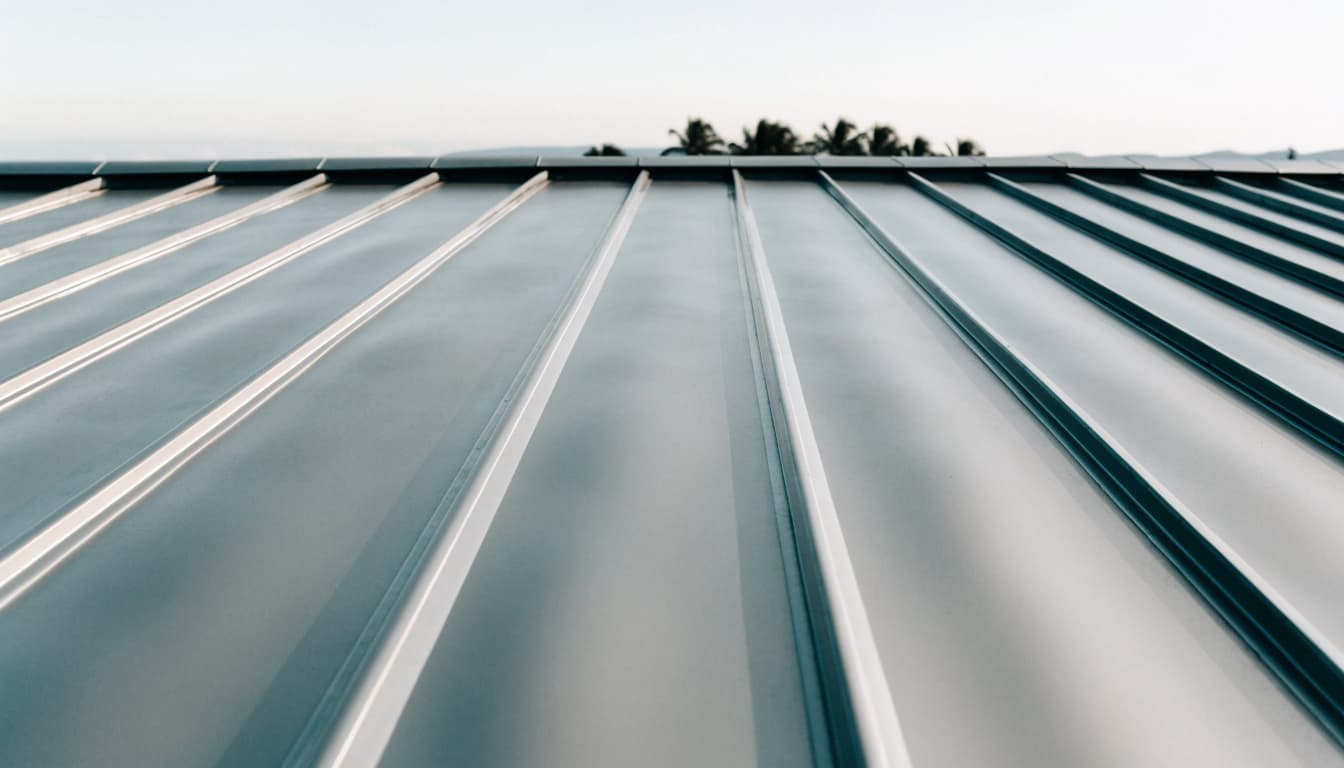
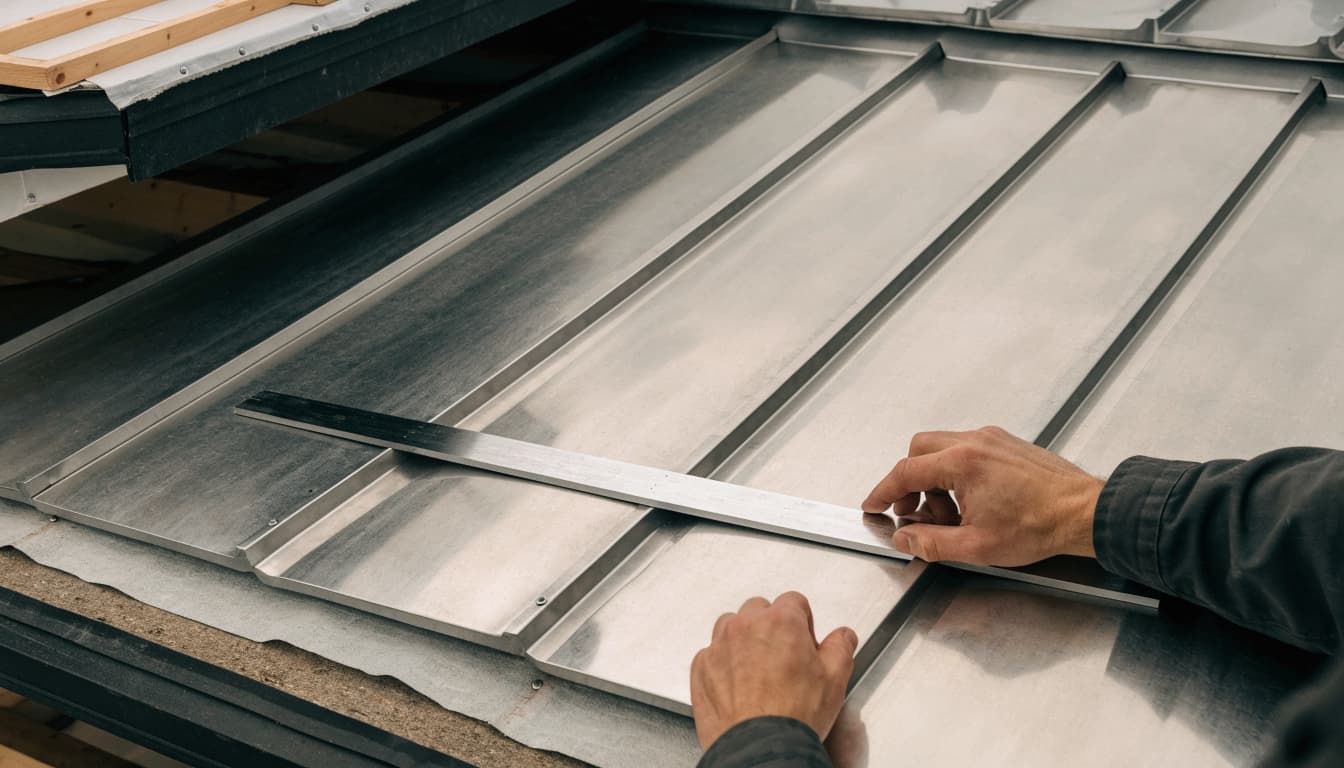
Oil canning is the waviness you may notice across the broad surfaces of metal roof panels. Reflected light can make those surfaces appear uneven even when the roof's seams look orderly.
Separate appearance from roof condition
Visible waviness deserves attention, especially when you expected a smooth finish. However, it doesn't provide enough information to declare the roof defective or recommend replacement.
An appearance concern and a weather-protection problem can also exist on the same roof. Therefore, the assessment should consider each separately.
For example, ceiling staining needs investigation even if the panels' waviness appears unchanged. Likewise, an attractive roof surface doesn't rule out problems around flashing or penetrations.
Document what you can see safely
Take photographs from the ground and note where the waviness appears. Include wider views so the contractor can identify the roof area rather than seeing an isolated reflection.
Also record when you first noticed it and whether that followed installation, repairs, or a storm. These observations help establish the roof's history without guessing at a cause.
Don't walk onto a metal roof to press on panels or inspect seams. A qualified professional can assess those areas with appropriate access and safety equipment.
Establish the Cause Before Choosing a Repair
There isn't a reliable repair decision based solely on the phrase "oil canning." The contractor needs to identify your roof assembly and determine whether the concern involves appearance, documented defects, or both.
Identify the roof system and panel design
Gather the original proposal, panel information, permit records, and available manufacturer documents. These records help establish what the installer selected and what requirements apply.
Ask the contractor to identify the panel design and explain the manufacturer's appearance expectations. The discussion should stay tied to your actual roof rather than general claims about metal roofing.
If records are missing, say so. A professional may need additional investigation before offering a recommendation, particularly when earlier repairs changed parts of the assembly.
Review installation and underlying conditions
Installation and substrate conditions belong in the assessment, but their presence shouldn't become an automatic diagnosis. Ask what evidence supports any conclusion about your roof.
Where the contractor identifies a concern, the written findings should distinguish visible observations from conditions that require further access. This matters when the underlying roof assembly isn't fully visible during the initial visit.
Before approving work, request an explanation of how the proposed action addresses the documented problem. A suggestion to improve appearance needs a clearer basis than "the panels look wavy."
Naples Weather Adds Other Inspection Priorities
A Naples roof assessment should account for local exposure without treating every weather-related concern as an explanation for oil canning.
Near the coast, salt exposure creates corrosion concerns for exposed fasteners, flashing, trim, and cut metal edges. Compatible corrosion-resistant components and proper separation of dissimilar metals matter where the approved assembly requires them.
Meanwhile, intense rain and wind-driven water make flashing and roof transitions important inspection points. Valleys, vents, skylights, and other penetrations interrupt the roof's protective layers.
If you see an interior stain, the water's entry point may be elsewhere on the roof. A careful approach to diagnosing roof leaks in Naples follows the water's path instead of assuming the area above the stain is responsible.
Roof pitch also affects drainage and the details a covering requires. The Naples roof pitch guide explains why slope belongs alongside product approval, wind design, and the roof assembly when evaluating options.
These checks address roof performance. They shouldn't become unsupported explanations for panel waviness.
After a storm, avoid climbing onto slick metal. Document what you can see safely and arrange professional attention for leaks, displaced components, or other damage.
What a Professional Inspection Should Cover
Choose a qualified metal-roofing professional who can evaluate your specific assembly. The inspection should extend beyond the most visible wavy section.
Examine the roof and connected details
A thorough assessment considers the roof covering, edges, flashing, penetrations, drainage, and accessible attic areas. It should also account for installation history and previous repairs.
Ask the professional to explain which findings concern appearance and which affect roof protection. If a leak exists, that problem deserves its own diagnosis rather than a repair based on panel appearance.
Coastal exposure varies between properties. Therefore, the assessment should consider your home's location and actual condition, not assume every Naples roof has identical exposure.
Request photographs and written findings
A written report should identify observed defects, recommended maintenance, and any areas that need further investigation. Photographs help you understand the recommendation and compare proposals.
For homeowners with nearby properties, Cutting Edge's roof inspections in Fort Myers provide another local assessment resource. Ask about appropriate service for your Naples address and the experience needed for your metal roof system.
Also ask whether manufacturer input would help clarify the appearance concern. Keep inspection findings, product documents, and correspondence together before deciding what work to authorize.
Comparing Repair, Monitoring, and Replacement
Metal roof oil canning doesn't automatically require corrective work. If an assessment identifies no defect requiring repair, monitoring the documented condition may be reasonable.
However, leaks or other confirmed defects need attention regardless of how the panels look. Any proposal should separate those repairs from optional appearance-related work.
Correct documented issues where feasible
Where inspection identifies installation or substrate issues, ask whether correction is feasible within the existing assembly. The answer depends on the roof system, access, condition, and applicable requirements.
The proposal should identify the affected area and explain the reason for the work. It should also distinguish a performance repair from an attempt to improve appearance.
Avoid approving a cosmetic treatment based on a guarantee of perfectly flat panels. A contractor should explain expected results and limitations without promising that all waviness will disappear.
Appearance-related work should include an explanation of how it will preserve the roof's attachment, drainage, and weather protection.
Replace panels or roofing when appropriate
Replacement may warrant consideration when the inspection identifies conditions that can't be addressed through a suitable repair. The professional should explain why localized work or broader replacement fits the findings.
Ask what happens to connected flashing, underlayment, penetrations, and any compromised decking. Replacement decisions should consider the complete assembly rather than the visible panel alone.
Also discuss appearance expectations before ordering replacement materials. New panels shouldn't come with an unsupported promise that every visible ripple will disappear.
Plan Appearance Expectations Before a New Roof
For new construction, a whole-home remodel, or roof replacement, discuss panel appearance before approving the roofing package. Review the proposed system with the contractor and request manufacturer information relevant to its design.
When possible, view completed installations with comparable panels. Photographs are useful, but an actual roof lets you judge appearance at ordinary viewing distances.
A discussion of metal roofing in Southwest Florida should cover more than color and finish. Ask how the selected assembly fits your home's slope, local wind requirements, and coastal exposure.
The contract should clearly identify the roof system and the work included. Keep appearance expectations separate from performance requirements so both receive proper attention.
For an existing roof, compare proposals by scope rather than headline price. The recommendation should explain what needs correction, what remains unchanged, and which appearance results remain uncertain.
This is especially helpful during a larger renovation, when roofing work must coordinate with additions or other changes to the home.
Frequently Asked Questions
Does oil canning mean my metal roof is leaking?
Visible waviness alone doesn't establish whether a roof leaks. A leak requires investigation of the covering and connected details, including flashing and penetrations.
If you notice ceiling stains or active drips, report them separately from the appearance concern. Water can travel before it becomes visible indoors, so the stained area may not identify the entry point.
Can a cosmetic repair remove all the waviness?
You shouldn't assume it will. A qualified professional needs to evaluate the roof system, panel design, and underlying cause before discussing an appearance-related option.
Ask for a clear explanation of expected results and limitations. Avoid authorizing work based on a promise that a cosmetic treatment will eliminate every visible wave.
Should I replace a recently installed wavy roof?
A recent installation should receive a documented assessment before you approve replacement. Gather the contract, product information, permit records, and photographs.
Then ask the installer and a qualified metal-roofing professional to address the findings. The recommendation should explain whether work is necessary, what evidence supports it, and why the proposed scope fits your roof.
Choose a Roof-Specific Recommendation
A wavy roof deserves a clear explanation before it receives a repair or replacement recommendation. Documented findings should guide that decision, while appearance expectations remain realistic.
For your Naples home, ask a qualified metal-roofing professional to separate cosmetic concerns from defects that need attention. The right proposal addresses your actual roof and explains the limits of any appearance-related work.