Salt-Resistant Materials for Naples Custom Homes
Explore Our Services
Contact Us Today!
(239) 322-9295
Salt arriving on a Gulf breeze can turn a beautiful exterior into a repair list sooner than many homeowners expect. In Naples, salt resistant materials protect more than curb appeal, they help preserve the roof, exterior walls, lanai, pool area, and the connections holding them together.
A home doesn't need to sit directly on the beach to feel the effects. Wind-driven spray, high humidity, summer storms, and pool chemicals all add stress to exterior finishes and hardware. The smartest material choices pair coastal-ready products with careful installation and regular care.
Why Naples Salt Air Wears Down a Home
Salt air causes damage through a mix of chlorides, moisture, and oxygen. When salt settles on metal, it attracts water and creates a thin conductive film. That film speeds up electrochemical corrosion, even on hardware that appears dry most of the day.
Chlorides attack weak points first
Chlorides can break through the protective oxide layer on metal. As a result, stainless steel may pit, aluminum may oxidize, and ordinary steel can develop red rust. The trouble often begins at screw heads, rail bases, door hinges, roof edges, and hidden connections.
Mixed metals create another risk. For example, water trapped between bare aluminum and a dissimilar metal can trigger galvanic corrosion. A matching fastener, compatible flashing, and a proper separation layer help prevent that reaction.
Salt damage rarely begins with a dramatic failure. It often starts at a small fastener, sealant joint, or flashing edge where moisture lingers.
Exposure varies across Naples properties
A Gulf-front home receives more direct salt spray than a home several miles inland. Still, wind can carry marine aerosols well beyond the shoreline, especially during storms. Pool decks and outdoor kitchens also face water, chemicals, and frequent wet-dry cycles.
The home's design matters too. Wide roof overhangs, covered entries, recessed windows, and protected lanai areas reduce direct exposure. Open railings, flat ledges, roof valleys, and poorly drained transitions collect salt and water instead.
Salt resistant materials for metalwork and hardware
The best salt resistant materials cost more in the beginning, yet they often reduce disruptive repairs later. Spend extra where replacing a failed part would require removing cladding, roof components, or finished outdoor surfaces.
This comparison helps set priorities for exposed hardware and exterior metal details.
| Material | Good Naples applications | Limitations to plan for |
|---|---|---|
| 316 stainless steel | Rail hardware, exterior screws, hinges, anchors, concealed clips | Higher initial cost, still needs rinsing and inspection |
| Hot-dip galvanized steel | Some protected structural connectors and sheltered hardware | Coating can wear or corrode in severe exposure |
| Powder-coated aluminum | Gutters, soffits, window frames, pool cages, trim | Coating damage and salt deposits can lead to oxidation |
| Plain steel or basic plated fasteners | Interior-only or dry protected uses | Poor choice for exposed coastal conditions |
Choose 316 stainless for difficult-to-replace connections
Marine-grade 316 stainless steel is the strongest common choice for exposed coastal hardware. It works well for exterior fasteners, rail fittings, shutter hardware, gate hinges, and other connections that face salt-laden wind.
It isn't immune to staining or corrosion. Salt deposits can still sit in crevices, under washers, or along horizontal surfaces. However, 316 stainless gives Naples homeowners far more margin than ordinary steel, zinc-plated screws, or lower-grade hardware.
Use galvanized steel carefully
Hot-dip galvanized connectors can work in sheltered locations when their coating and approved use match the project conditions. They are less suited to a fully exposed Gulf-facing wall, roof edge, or outdoor railing connection.
For permits governed by the 2026 Ninth Edition of the Florida Building Code, Section 1711 adds coastal corrosion rules for certain fasteners, connectors, and metal plates. Exposed components within 300 feet of a saltwater coastline require stainless steel. Protected components within that zone, and many components between 300 and 3,000 feet, may allow stainless or enhanced corrosion protection. Your builder should confirm the code edition and exposure category for the permit.
Exterior Walls, Trim, and Masonry That Age Well
Wall materials need to manage rain as well as salt. A durable finish can't compensate for trapped water around windows, cracks, trim joints, or wall-to-roof intersections.
Stucco and concrete need water control
Stucco remains a practical Naples exterior because it suits masonry construction and traditional coastal architecture. Yet it needs control joints, sound substrates, properly detailed openings, and prompt crack repair. Water behind stucco can affect framing, fastening, and interior finishes long before the wall looks damaged.
Concrete and masonry hold up well, but they aren't untouchable. Chlorides can migrate through cracks and porous surfaces, eventually reaching reinforcing steel or embedded anchors. Good concrete cover, crack control, corrosion-resistant attachments, and maintained sealants protect the structure behind the finish.
At windows and doors, continuous flashing should direct water outward to the weather-resistive barrier or exterior surface. Paint and caulk alone should never carry that job.
Fiber cement and PVC reduce rot concerns
Fiber-cement siding and panels resist insects and won't rot like untreated wood. They still need correct clearances, approved fasteners, flashing at every transition, and caulked joints where the system calls for them. A factory-applied finish also provides a more consistent starting point than field paint alone.
PVC trim is a strong option for fascia, rakes, column wraps, and decorative exterior details. It won't rust or decay, although it expands with heat and needs compatible fasteners and sealants. Poorly fastened PVC can bow or open joints during Southwest Florida's hottest months.
Natural wood brings warmth that synthetic trim can't fully duplicate. In salt air, though, wood needs sealed end grain, quality coatings, drainage gaps, and regular refinishing. Reserve it for protected soffits, entry ceilings, or feature walls when the maintenance commitment fits the design.
Roofing, Lanais, and Pool Areas Need Coastal Specs
Roof assemblies take direct sun, wind, rain, and salt. Meanwhile, a lanai adds screen framing, fasteners, drains, lighting, fans, and often pool equipment to the same exposure.
Specify the complete roof assembly
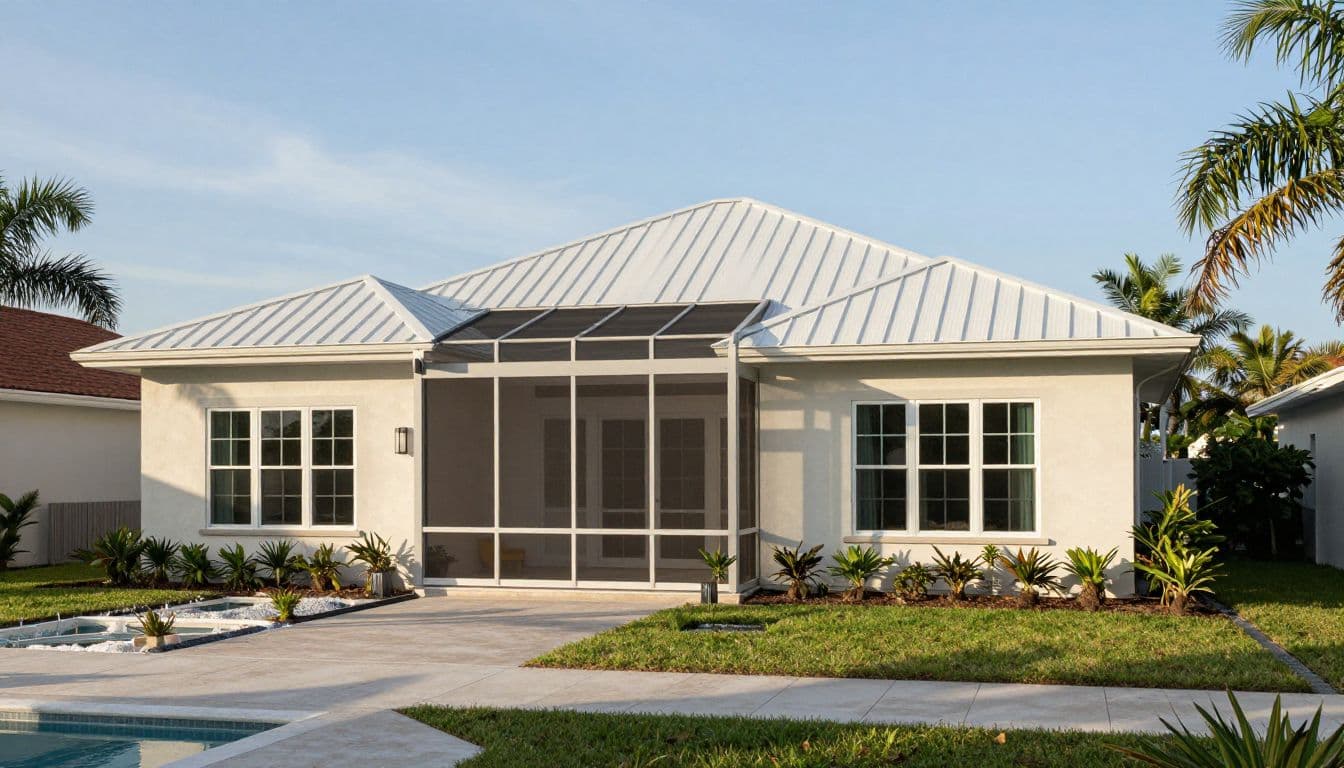
Standing-seam metal roofing can be a strong choice for a Naples custom home when the panels, clips, fasteners, underlayment, flashing, and sealants are approved as one assembly. Avoid treating the visible panel finish as the entire roof decision.
Roof edges, valleys, penetrations, and counterflashing need corrosion-resistant metal. Plain steel screws create an obvious weak point, while concealed fasteners deserve equal attention because replacement can be far more involved.
For help weighing metal versus shingle roofs in Florida, compare wind performance, approved assemblies, maintenance access, and long-term repair needs rather than purchase price alone.
Detail pool and lanai components for wet exposure
Powder-coated aluminum is common for screen enclosures, gutters, window frames, and trim. A durable factory finish is preferable to bare aluminum, yet chips, scratches, and salt buildup still need attention. Rinse the enclosure, especially near the lower rails and corners where debris gathers.
Pool areas add another layer of exposure. Porcelain pavers and dense concrete surfaces can perform well around water, but drainage, grout, sealers, metal drains, and anchor hardware also need regular care. Choose corrosion-resistant screws for cage attachments, railings, outdoor cabinetry, and shade structures.
When planning custom pool construction in Southwest Florida, coordinate deck slopes, drainage locations, equipment access, and lanai connections before the slab and finishes are set.
Installation Details Decide How Long Materials Last
Even premium products fail early when water has nowhere to go. Salt resistant materials work best as part of a complete exterior assembly, not as isolated upgrades.
Use the right fasteners, flashing, and drainage paths
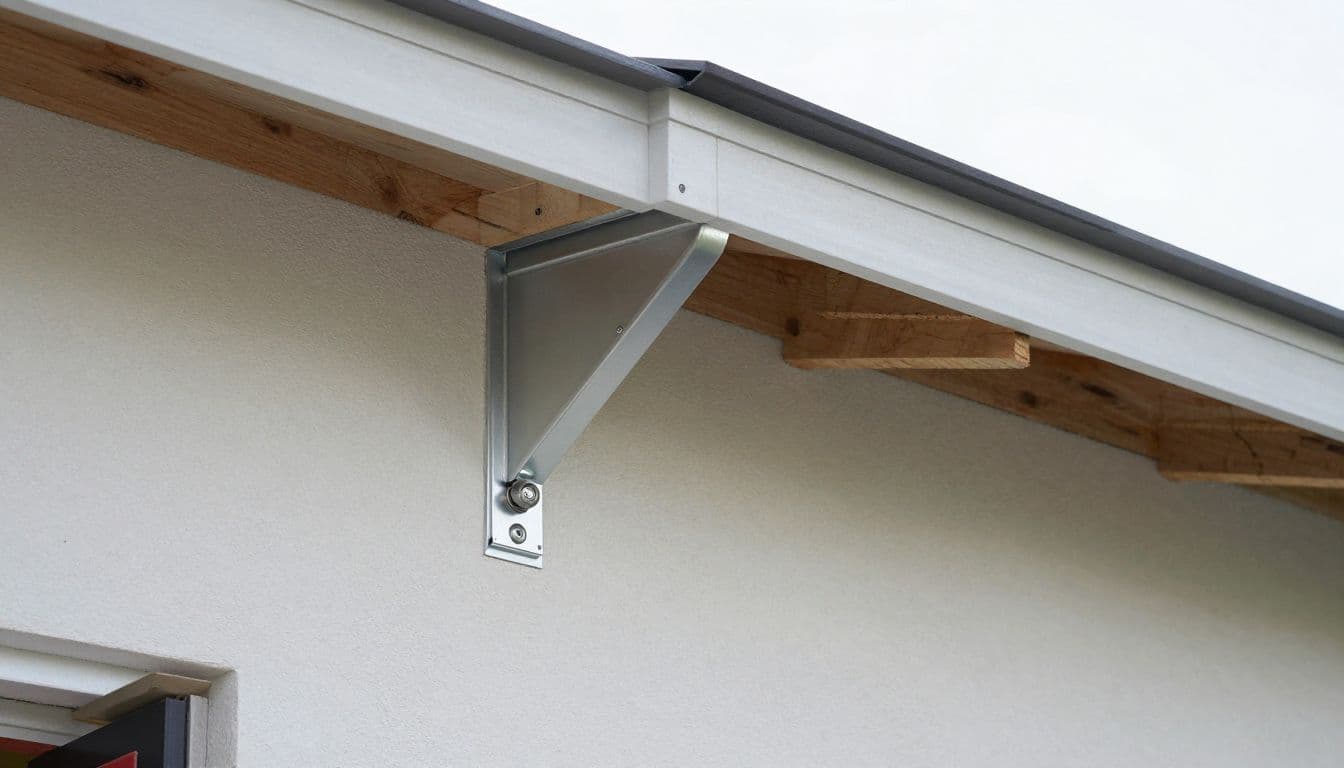
Specify marine-grade or corrosion-resistant fasteners for exposed work, including trim, roofing, railings, exterior accessories, and screen enclosure connections. Fasteners should suit the material they secure. A mismatched screw can stain a finished surface or corrode before the component around it wears out.
Flashings need to overlap in a shingle pattern so water moves down and out. Window and door openings need pan, jamb, and head flashing that ties into the wall's drainage plane. Roof-to-wall intersections, deck connections, hose bibs, vents, and light fixtures need the same attention.
Slope exterior hardscape away from the home. Keep weep paths open, use kick-out flashing where roofs meet walls, and avoid flat ledges that hold water against a finished surface.
Seal joints without trapping moisture
Exterior window and door joints need sealants rated for movement, UV exposure, and the materials they touch. Florida requirements commonly reference AAMA 800 or ASTM C920 Class 25 Grade NS or greater for exterior fenestration joints. Proper backer rod and joint depth help the sealant flex instead of tearing away.
Ventilated roof and wall assemblies also dry more effectively after wind-driven rain. Soffit intake, roof exhaust, drainage cavities, and clear weeps limit moisture that would otherwise sit behind finishes.
Coastal detailing also ties into wind and water rules. Review building codes for coastal Florida homes before finalizing exterior products and connection details.
Protect Your Investment With Routine Care
No exterior material is maintenance-free in Naples. Even the best selection needs freshwater rinsing, cleaning, inspection, and occasional repair to keep salt from building up in vulnerable places.
Build a practical maintenance routine
A seasonal walk-around catches most small issues before they spread. After major storms or weeks of onshore wind, give the exterior added attention.
- Rinse railings, screen cages, gutters, metal furniture, exterior light fixtures, and exposed hardware with fresh water.
- Clear leaves and sand from roof valleys, gutter outlets, scuppers, drain covers, and lanai tracks.
- Inspect fasteners, flashing, painted metal, stucco cracks, sealant joints, and window perimeters for early damage.
- Repair chipped coatings and failed sealant promptly, then address the cause of standing water or movement.
Freshwater rinsing matters most near the Gulf, but inland homes benefit as well. Avoid harsh cleaning products unless the manufacturer approves them, since some chemicals can damage coatings or accelerate corrosion.
Spend more where access is hardest
Use the strongest materials at high-exposure connections that are expensive to reach later. Rail bases, roof attachments, opening flashings, outdoor kitchen hardware, and concealed structural connectors deserve careful specifications.
In less exposed, accessible areas, a properly rated coated product may make financial sense. The key is matching exposure, workmanship, and upkeep to the material. Early planning with a custom home builder in Southwest Florida helps put those decisions into the drawings instead of treating them as late upgrades.
A Coastal Home Should Be Built for the Long Haul
The best Naples homes combine salt resistant materials with drainage, corrosion-resistant fasteners, durable flashing, compatible sealants, and ventilation that lets assemblies dry. A premium finish carries real value only when the details behind it are equally strong.
Salt air will always be part of Gulf Coast living. Thoughtful specifications and steady maintenance keep it from becoming a constant source of avoidable repairs.