Why Water Pressure Drops When Multiple Fixtures Run in a New Home
Explore Our Services
Contact Us Today!
(239) 322-9295
A small change in water pressure is normal when several fixtures run at once. A sharp drop that weakens showers or slows faucets can point to a flow-capacity problem in the home's supply system.
The difference matters in a new home, where pipe sizing, fixture locations, valves, filters, and the incoming water service all affect performance. A few safe observations can help you describe the problem clearly before you contact the builder or a licensed plumber.
How simultaneous fixtures affect water pressure
Water pressure describes the force pushing water through the pipes. Flow describes how much water moves through them over time. When several fixtures run together, they draw from the same supply, and the pipes, valves, and other components resist that flow.
Some variation is expected. However, if the shower becomes a trickle whenever a washing machine fills or another faucet opens, the system may not be delivering enough flow under demand.
A modest change can be normal
A shower may feel slightly weaker when someone opens a nearby faucet. The effect can be more noticeable when a tub fills, a toilet refills, or an appliance uses water at the same time. Hot water may also feel different from cold if the heater connections or hot-water piping add resistance.
The pattern matters. A brief dip that recovers quickly is different from a major, repeatable drop that continues as long as multiple fixtures run.
A repeatable drop deserves attention
If pressure falls across several rooms, the restriction may be near the service entry or in a shared supply line. If only one faucet or shower is affected, the cause may be local, such as an aerator, fixture valve, or showerhead.
Pipe layout can limit the available flow
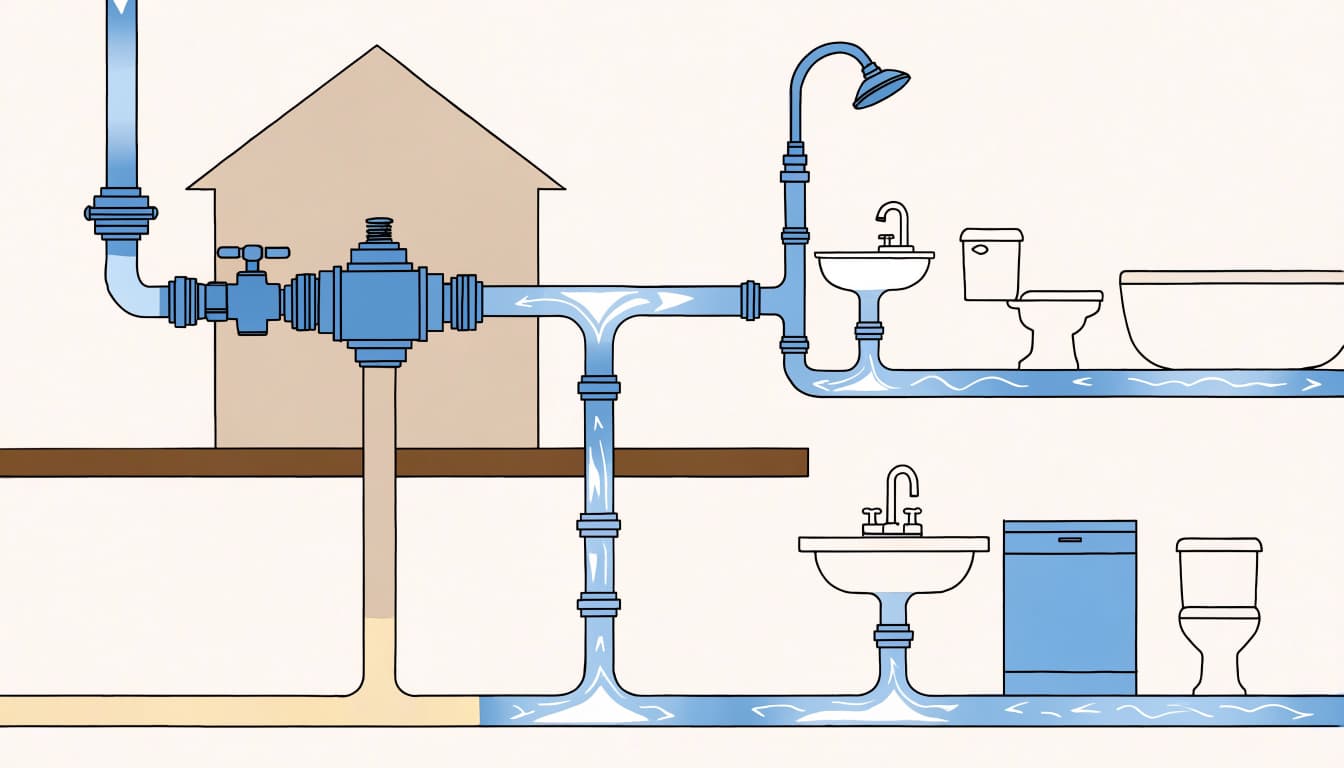
The plumbing design needs to serve the home's fixture count and layout. Long runs, multiple branches, narrow pipe sections, and many fittings can restrict flow, especially when fixtures are spread across a large floor plan.
A system can work well with one fixture running and still struggle when demand rises. That is why a new home should be assessed under realistic use, not only by whether water comes out at each fixture.
Pipe sizing and distribution layout both matter
Trunk-line systems send water through larger mains, then smaller branches to nearby fixtures. Manifold systems send separate lines from a central distribution point to individual fixtures or groups. Either layout can work when it's properly designed and installed.
A manifold makes it easier to isolate an individual line, but it doesn't automatically increase pressure. Pipe diameter, distance, incoming supply, and simultaneous demand still affect flow. See how manifold plumbing affects water pressure for a closer look at the layout tradeoffs.
Fixture locations should be settled before rough-in
An added outdoor sink, pool bath, laundry connection, or distant bathroom changes the pipe routes and demand. The project team should account for these fixtures while planning the supply system, before concrete or drywall hides the lines.
For a new build, planning a new home plumbing layout before rough-in helps keep fixture locations, service access, and pipe routes coordinated. Pipe material alone won't correct a poorly sized or routed system. Choosing plumbing pipe materials for a new home can help explain what material does and doesn't affect.
Valves, regulators, and filters can restrict flow
A problem doesn't always come from pipe size. A component near the main water entry can affect every fixture, so a small restriction there may become obvious only when several outlets run.
Check for an accessible valve that isn't fully open
A main shutoff or branch valve may have been left partly closed after construction or service. If you can see the valve, note its position and whether the pressure problem affects the whole home. Don't force a stiff handle or adjust a valve you don't recognize.
A pressure-reducing valve, often called a PRV, controls incoming pressure. If it's incorrectly adjusted, damaged, or not suited to the service conditions, the home may experience weak flow or pressure changes under demand. A licensed plumber should assess and adjust it.
Look for filtration equipment in the supply path
A whole-house filter, softener, or other treatment unit can add resistance, particularly if a filter cartridge is dirty or a bypass valve is set incorrectly. If the home has treatment equipment, note whether the pressure problem began after installation or service.
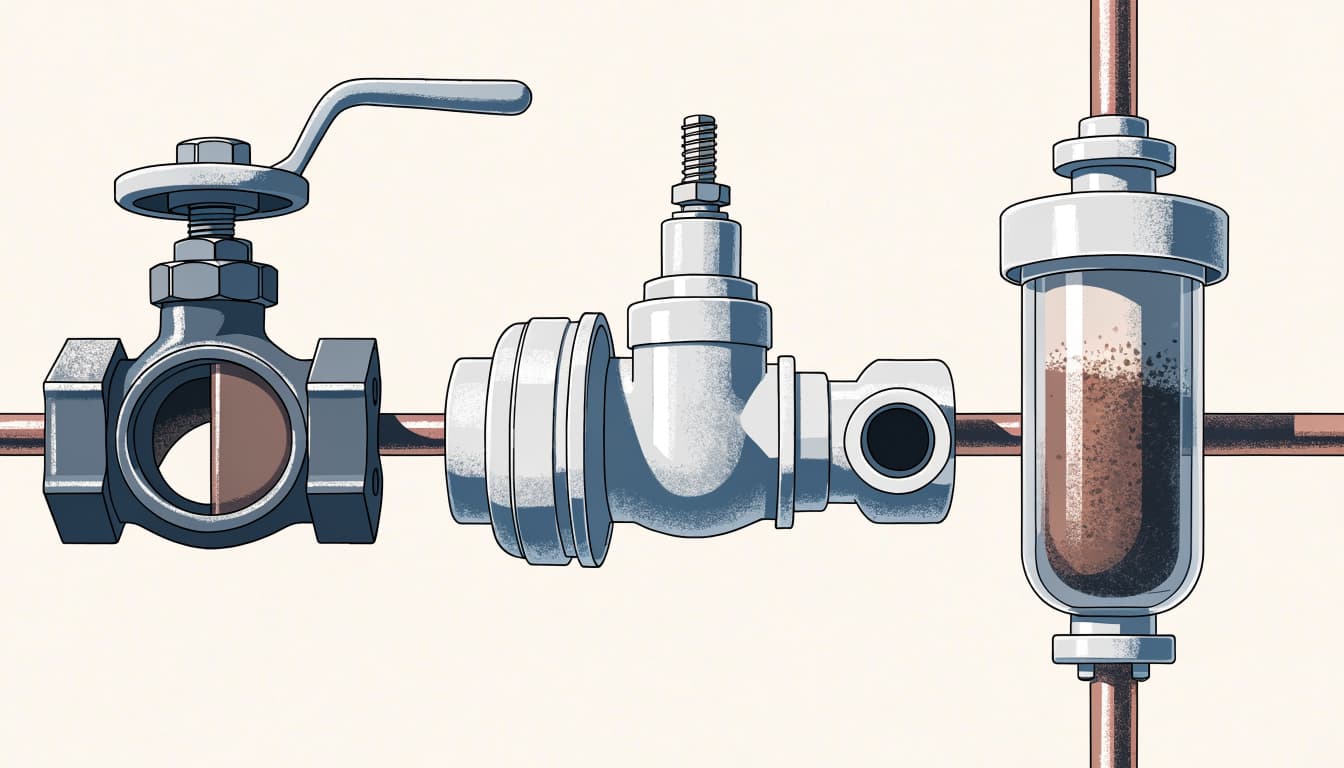
Don't open a pressurized filter housing or take apart a PRV to investigate. That work can cause leaks or damage. Instead, report the equipment and symptoms to the builder or plumber.
The incoming water service may be the bottleneck
The home can only use the water its service supplies. A restricted service line, a connection issue, or limited municipal capacity can cause weak performance throughout the house. Demand in the surrounding system may also vary, so note whether the issue happens at particular times or during nearby irrigation use.
If the house uses a private well, the well system and pressure equipment are part of the diagnosis. A builder or licensed plumber can determine whether the issue is inside the home, at the service connection, or in the source system.
The pattern offers a useful clue. If every fixture weakens at once, the cause is more likely to be shared than isolated to one faucet. If only one area has poor flow, the restriction may be closer to that fixture.
Safe checks homeowners can make
You don't need to open walls or adjust plumbing equipment to gather useful information. A clear record of what happens can help the builder or plumber narrow down the cause.
Compare fixtures and note the conditions
Run one fixture at a time, then repeat with two or more running. Write down which fixtures were on, whether the problem affected hot water, cold water, or both, and how long the drop lasted. Note whether the pattern happens throughout the home or only in one bathroom.
If one faucet is weak even when other fixtures are off, remove and rinse its aerator only if you're comfortable doing so. A clogged aerator can reduce flow at that fixture, but it won't explain a whole-home problem.
Make a visual check, not a repair
Look for an accessible main valve that appears partly closed, visible leaks, or an unusual condition around a filter or treatment unit. Don't force handles, change PRV settings, open a filter housing, or work on the meter or buried service line.
A hose-thread pressure gauge can help record pressure with no fixtures running and while water is flowing. However, a single reading doesn't identify the cause. Share the readings and test conditions with the professional assessing the system.
When to contact the builder or a plumber
For a newly built home, report a persistent, repeatable drop to the builder promptly, especially if it affects several fixtures or makes normal use difficult. Describe what was running, which rooms were affected, whether hot and cold water behaved differently, and whether the issue occurs throughout the day.
Involve the builder when the problem affects the whole home
The builder can coordinate with the plumbing contractor and review the installed layout, service connection, valves, and equipment. If the home is still under construction, raise the concern before the next phase conceals the work. Photos of accessible plumbing and a written list of symptoms can support the discussion.
Ask for a clear explanation of what the plumber will inspect and whether the system will be assessed while fixtures run together. A static check with every tap closed may not reveal a capacity problem that appears only under demand.
Call a licensed plumber for persistent or worsening symptoms
A plumber can evaluate the service entry, PRV, filter equipment, pipe layout, and fixture-level restrictions. Contact one sooner if you see a leak, hear water running when fixtures are off, or notice a sudden drop across the home.
Avoid DIY changes to pressure controls or concealed pipes. Incorrect adjustments can cause leaks or damage, while a professional can determine whether the issue requires a repair, system adjustment, or coordination with the water provider.
Frequently asked questions
Is a slight pressure drop when two fixtures run normal?
Often, yes. A small change can occur because both fixtures draw from shared pipes. A pronounced or persistent drop, especially across multiple rooms, should be evaluated.
Why does the shower weaken when a toilet flushes?
Both fixtures draw water from the home's supply. If the shared piping or incoming service can't provide enough flow under that combined demand, the shower may weaken while the toilet tank refills.
Can a manifold fix low water pressure?
Not by itself. A manifold can provide separate lines and easier shutoffs, but it doesn't increase the incoming supply or compensate for poor pipe sizing, long runs, or a restrictive valve.
Should I adjust the pressure regulator myself?
No. A PRV adjustment affects the home's plumbing system and can create new problems if set incorrectly. Have the builder or a licensed plumber assess it.
Get the cause checked before it becomes a bigger problem
A mild shift when several fixtures run can be normal. A repeated, severe drop points to a system that may not be meeting the home's demand, whether the restriction is in the layout, equipment, valves, or incoming service.
Track the conditions and report them to the builder or a licensed plumber. In a new home, a clear description of when and where the pressure changes is a practical first step toward identifying the right fix.