Fort Myers Plumbing Cleanouts: Before You Landscape
Explore Our Services
Contact Us Today!
(239) 322-9295
Locate, document, and mark your new home's plumbing cleanouts before landscaping starts. Use the builder's records, as-built plans, and a licensed plumber to establish which fittings provide drain access.
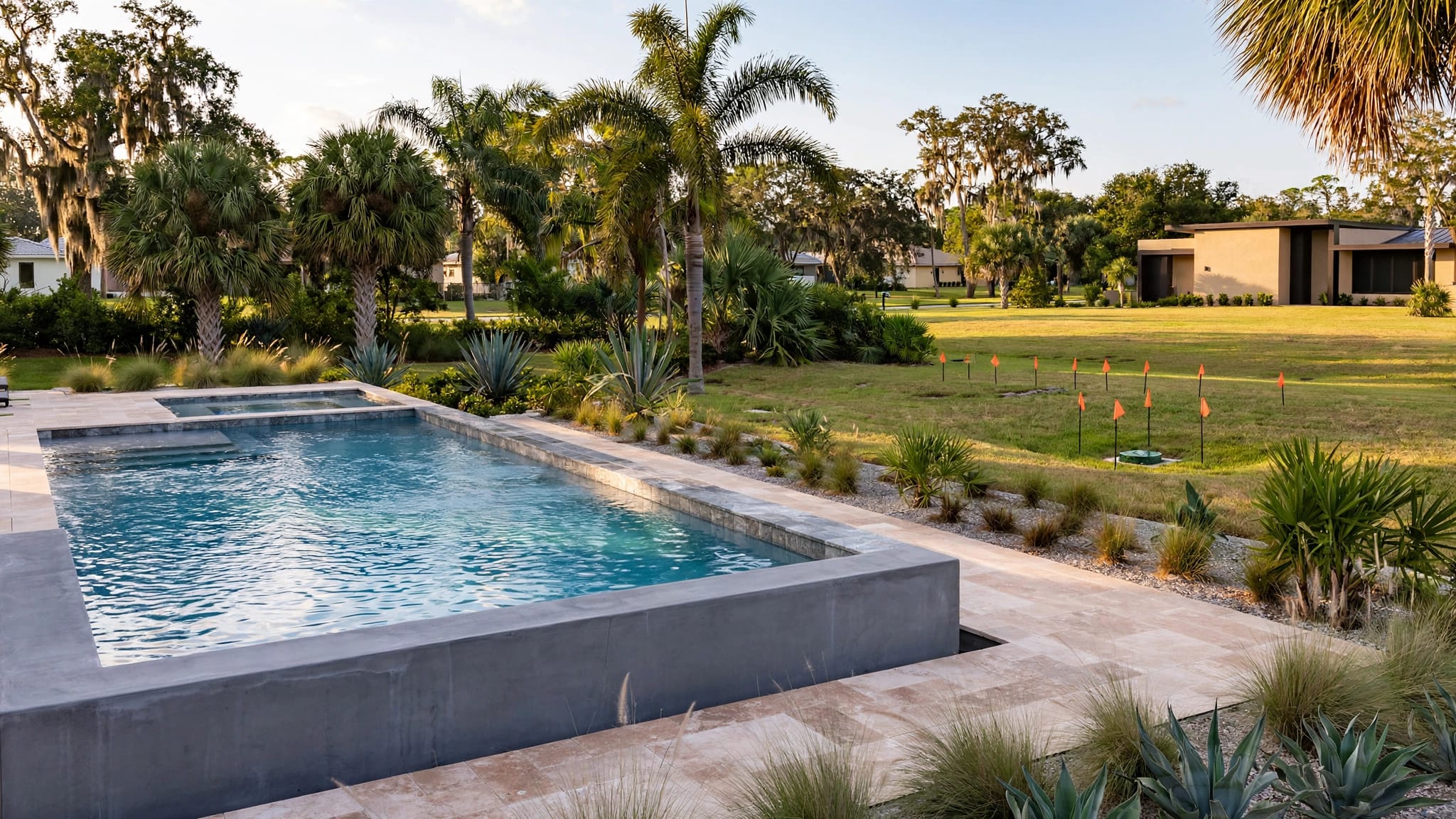
Fort Myers plumbing cleanouts need lasting access , even after sod, shrubs, pavers, and pool features finish the yard. A landscaping crew can accidentally cover a cap or block the space needed to service it.
Start with a coordinated site walk before anyone spreads soil or brings digging equipment onto the property.
Key Takeaways
- Have the builder or licensed plumber identify cleanouts using the installed plumbing and available as-built records.
- Photograph and measure locations from permanent features before landscaping changes the yard.
- Don't bury, pave over, conceal, or move cleanouts to suit a landscape design.
- Keep access clear as plants mature, and arrange utility locating separately before excavation.
Why Cleanout Access Belongs in the Landscape Plan
A plumbing cleanout is an access fitting that allows a plumber to reach drainage piping. Depending on the system and the problem, that access can help with clearing a blockage or inspecting a drain with a camera.
A cleanout isn't a landscape drain, irrigation valve, or convenient opening for disposing of water. Keep its cap closed and leave plumbing work to a licensed professional.
Before landscaping, these fittings may be easy to see against bare soil. However, added fill, mulch, edging, or dense planting can hide them quickly. Hardscape can create a bigger obstacle because reaching the fitting may then require removing finished work.
We recommend treating cleanout access as part of the site design. Our guide to planning plumbing before rough-in addresses the earlier decisions that shape drain routing and service access. Landscaping should preserve those decisions rather than override them.
Locate Fort Myers Plumbing Cleanouts From the Plans
Start with the installed plumbing and project records
Ask your builder to identify the home's cleanouts during a site walk. Bring the latest plumbing drawings and any available as-built plan, which records the installed arrangement.
Construction changes can make an early drawing different from the finished system. Therefore, compare the records with what the builder and plumber identify on-site. Underground piping photographs taken before concrete or backfill can also support that review.
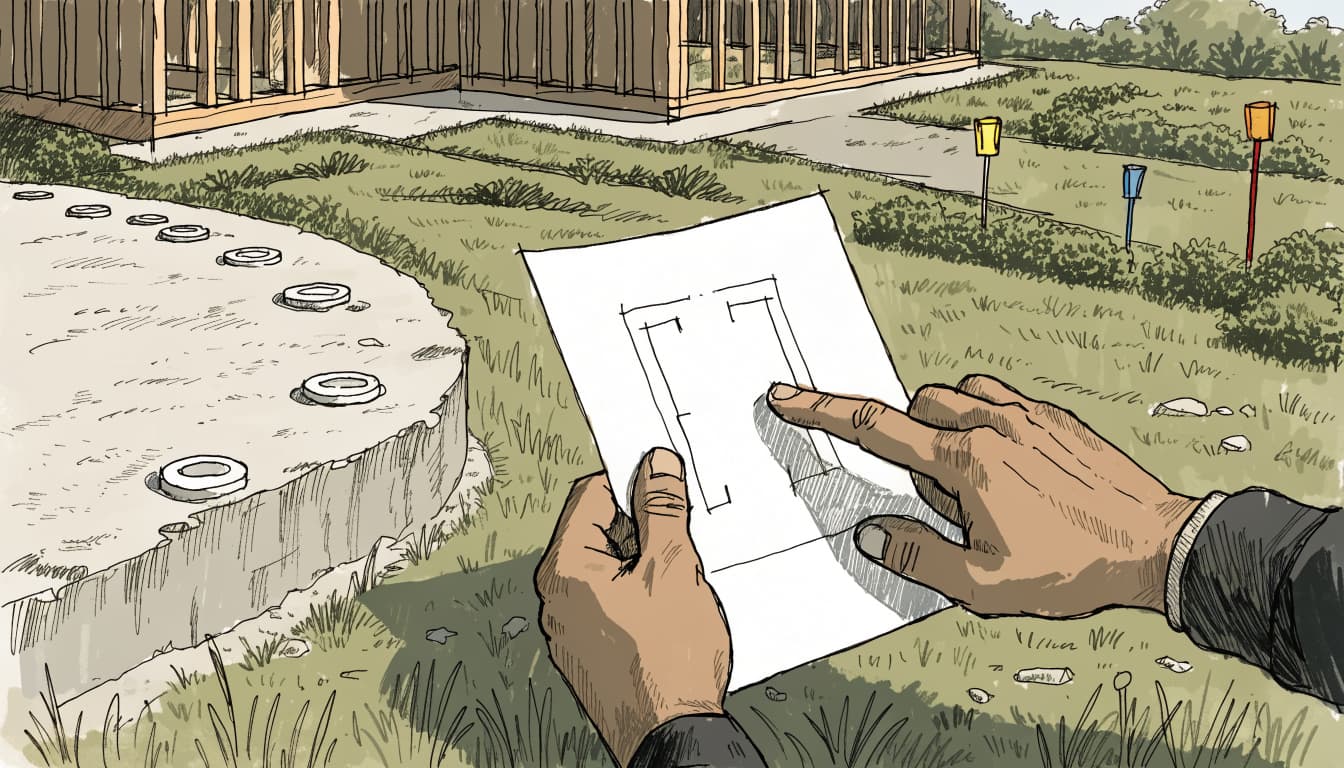
Use one dated plan for the landscape contractor, irrigation installer, and hardscape crew. If the plumber identifies a missing or changed location, add it to that shared record.
Identify fittings without opening them
During the walk, look for the fittings identified on the plan and point out any unexplained caps or covers. Don't assume every capped pipe is a sanitary cleanout.
A yard may also contain irrigation components, water-service equipment, septic access, or future plumbing connections. These serve different purposes and need their own identification.
Leave caps closed. Opening a cleanout can release wastewater, especially when the drainage system has a blockage.
If a documented fitting isn't visible, have the builder or licensed plumber locate it. Avoid exploratory digging or probing around uncertain piping. One visible cleanout also doesn't establish that you've found every access point serving the house.
Mark and Record Each Confirmed Access Point
Make markers useful to every crew
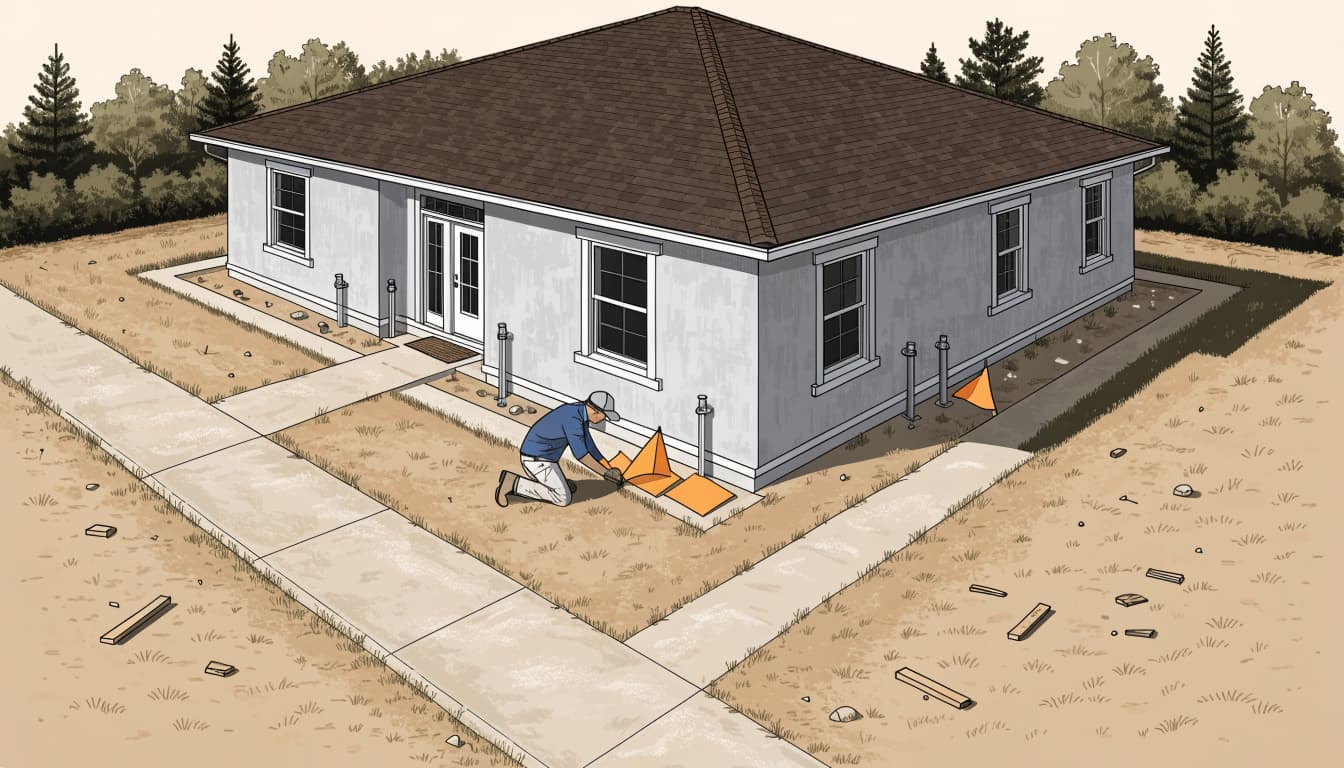
Place temporary, clearly distinguishable markers beside the identified cleanouts before grading, planting, irrigation trenching, or paver preparation begins. Use surface markers or builder-approved flags without probing for buried pipes.
Explain the markers during the site walkthrough. A flag means little if the next crew doesn't know whether it identifies plumbing, a planting position, or a proposed border.
Don't attach markers to caps or use exposed piping as an anchor. Keep material deliveries and equipment routes away from the fittings as well.
Build a record that outlasts the flags
Take both close-up and wider photographs. The close-up should show the fitting, while the wider view should show its relationship to the house.
Record measurements from permanent reference points, such as building corners. Using more than one reference helps distinguish the location after beds, fences, or lawn areas change. Don't rely on a movable pot or temporary stake.
Label the photographs to match the plan and keep them with your home warranty and construction documents. Before work resumes after a delay, replace missing markers from those records rather than from memory.
Temporary flags support construction coordination. They don't replace an accessible fitting or a durable location record.
Design Beds and Hardscape Around Service Access
Allow for mature plants and working space
Small nursery plants can leave a cleanout visible on installation day but conceal it later. Consider mature growth when placing shrubs, groundcover, and ornamental grasses.
Leave a practical approach for the plumber and room to work at the fitting. Visibility alone doesn't provide usable access if branches, fencing, or heavy planters block the approach.
Don't disguise a cleanout beneath a decorative rock, fixed ornament, or dense planting. A location note won't help much if the fitting still requires clearing landscaping before service can begin.
Landscape lighting and irrigation components also need coordination so their wiring and piping don't crowd the access area.
Resolve grade and paving conflicts before installation
Don't bury cleanouts beneath soil, sod, mulch, or stone. Keep landscape materials away from the cap rather than treating it as something to cover during final cleanup.
Likewise, don't pave over a cleanout or set permanent edging across it. If a patio, walkway, or pool deck conflicts with the fitting, resolve the design before installation.
A change in finished grade may require a plumbing adjustment. The builder and licensed plumber should handle that decision and any related approval requirements.
Don't move, cut, shorten, or extend the cleanout yourself. A landscaper also shouldn't alter drainage piping simply to make a bed or paving pattern fit.
Arrange Utility Locating Before Anyone Digs
Identifying cleanouts is only one part of excavation planning. Irrigation trenches, tree holes, fence posts, and pool work can affect other buried infrastructure.
Call 811 before digging so participating utilities can mark their facilities. However, an 811 request doesn't identify every privately owned line on a residential lot.
Private irrigation, pool plumbing, electrical connections, septic piping, and other homeowner-owned services may need separate locating. Assign that work before equipment arrives, and share the results with everyone excavating.
A cleanout marker identifies an access point, not the route or depth of the underground drain.
For projects that include a pool, our Fort Myers pool excavation checklist brings utility locating, equipment access, and site protection into the same planning process.
Keep the cleanout record alongside the utility information, but distinguish their markings. If excavation exposes an unexpected pipe or damages a fitting, stop work in that area. Have the appropriate trade address it before backfilling or continuing nearby.
Hold a Final Walkthrough Before Sod and Pavers
Schedule a short coordination meeting before the yard receives its finished surfaces. Include the builder and the trades whose work could cover, damage, or obstruct the cleanouts.
Use the same dated landscape and plumbing records throughout the meeting. Our Fort Myers preconstruction meeting guide outlines how shared plans and written responsibilities help coordinate overlapping construction work.
Follow this sequence during the walkthrough:
- Match each identified cleanout to the marked plan and photographs.
- Review nearby planting, irrigation, edging, paving, and finished grades.
- Assign responsibility for protecting markers and resolving conflicts before work proceeds.
- Record approved changes and distribute the updated information to affected crews.
Then walk the yard again after landscaping. Look for mulch piled against caps, displaced markers, damaged fittings, or new access obstructions. Address these before the crews finish, while responsibility and project details are still clear.
Keep the final photographs and updated plan with the homeowner handover documents.
Frequently Asked Questions
Are new-home cleanouts always beside an exterior wall?
No single location pattern applies to every home. Drain routing, site connections, the floor plan, and the approved plumbing design affect placement. Use the builder's records and a licensed plumber's identification rather than assuming a neighboring house has the same arrangement.
Can a cleanout sit inside a landscape bed?
A bed can surround a cleanout when the design preserves access. Keep soil, mulch, and vegetation from covering the fitting. Also consider mature plant growth and the plumber's approach. The bed shouldn't turn a routine service point into something that requires digging or removing established plants.
What if the cleanout conflicts with a planned pool deck?
Pause that portion of the deck work and resolve the conflict with the builder and licensed plumber. Don't allow the paving crew to cover or relocate the fitting. Review household drainage access alongside the pool layout, equipment route, and hardscape design before construction continues.
What should I do if landscaping already covered a cleanout?
Use the construction records to identify the affected area and have the builder or licensed plumber arrange safe access. Don't probe blindly or pry at an unidentified cap. If drains are backing up, keep people away from wastewater and arrange plumbing service rather than opening the fitting yourself.
Keep Cleanouts Accessible After the Yard Is Finished
The goal is lasting service access . A recorded location helps, but the fitting must also remain reachable after landscaping matures.
Identify cleanouts with the builder and licensed plumber, preserve the records, and resolve landscape conflicts before installation. A finished yard should leave essential plumbing accessible without removing the work that made it look complete.