
Fort Myers Termite Treatment Checks Before the Slab Pour
Explore Our Services
Contact Us Today!
(239) 322-9295
Once concrete covers your foundation, the soil beneath it becomes much harder to reach. For a Fort Myers custom home, pre-construction termite treatment needs early coordination between your builder, pest control professionals, and the permitting authority.
The pre-pour checkpoint should confirm your termite prevention plan, site preparation, treatment documentation, and any required approvals. Start with the construction sequence, because a scheduled concrete truck doesn't mean the foundation is ready to pour.
Scheduling pre-construction termite treatment before concrete
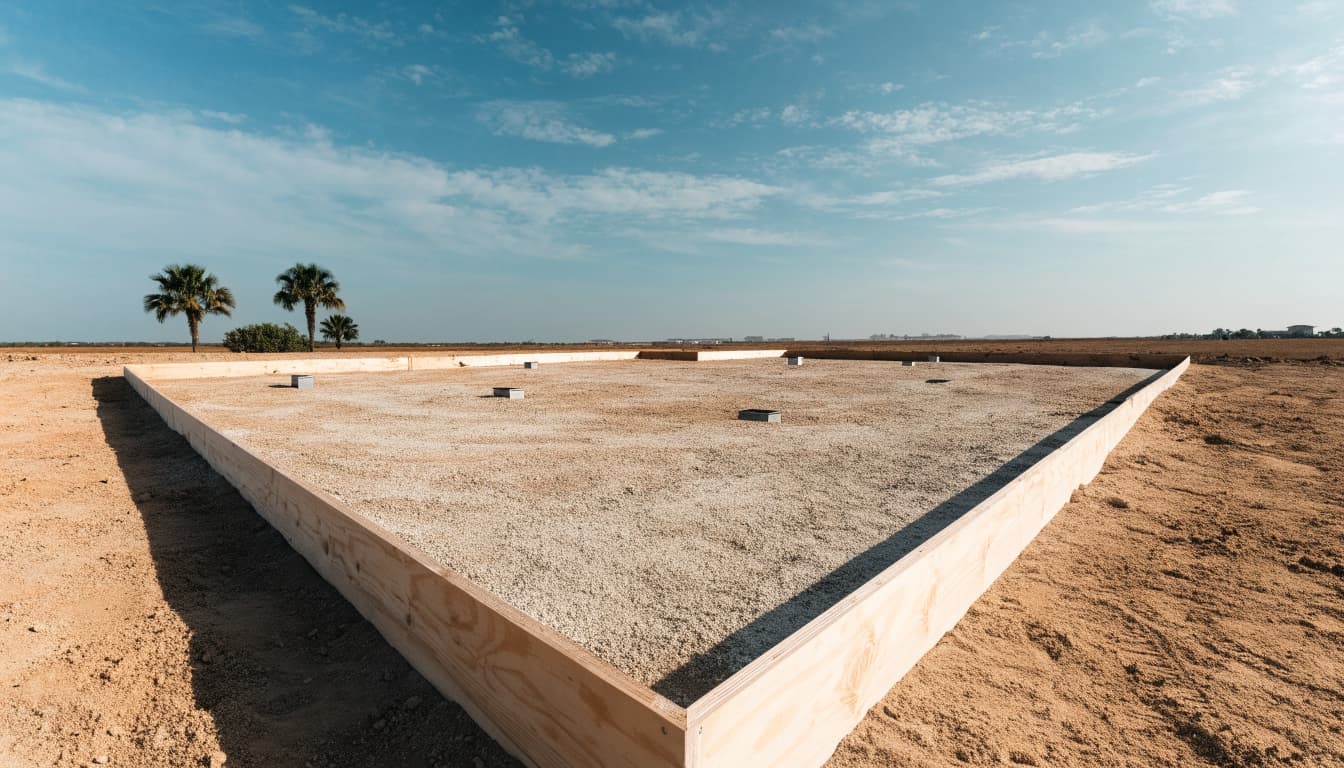
What the slab will cover
Subterranean termites live in soil and can enter through slab cracks, joints, and openings around utilities. A concrete slab doesn't provide their food, but concealed pathways can connect soil to wood above.
Before the pour, crews can access the foundation footprint and protect areas around plumbing sleeves, conduits, and other penetrations. Afterward, correcting missed under-slab work may require drilling or another professional treatment approach.
This checkpoint also helps document conditions homeowners won't see again once construction advances.
Why the order matters
For liquid soil treatment, preparation must come first. Excavation, backfilling, and compaction should be complete before soil pretreatment inside the foundation perimeter.
However, later trenching, plumbing changes, or regrading can disturb treated soil. Those areas need professional review and retreatment where required.
The goal is to preserve the completed treatment through the remaining foundation work. No treatment guarantees that all future termite activity will disappear, so inspection and maintenance remain part of ownership.
Confirm Florida requirements and the correct jurisdiction
Separate code requirements from project details
Florida building codes, including the Florida Building Code, Residential, 8th Edition, Section R318, recognize several termite-protection methods. These include registered termiticides, baiting systems, pesticides applied to wood, physical termite barriers, and other approved preventive methods.
That doesn't mean every product or installation qualifies. The selected system must satisfy its labeling, applicable code, approved plans, and project requirements.
For soil treatment, the code addresses completed excavation and compaction, retreatment after disturbance, and protection of treated soil. It also calls for a minimum 6-mil vapor retarder over treated soil. If rain occurs before that layer is placed, the code requires retreatment.
The foundation specifications may require a more substantial vapor retarder. Also, ordinary vapor-control sheeting isn't automatically an approved termite barrier.
Verify who approves the work
A Fort Myers mailing address doesn't establish the permitting authority. City of Fort Myers, unincorporated Lee County, and Fort Myers Beach projects can follow different administrative procedures.
Ask your builder which inspection milestones, certificates, and submission requirements apply. Verify building codes and project requirements rather than assuming every project needs a separate municipal termite inspection before pouring.
Use the Fort Myers preconstruction meeting guide to organize this discussion around one current plan revision. Assign responsibility for scheduling treatment, requesting inspections, resolving corrections, and confirming readiness for concrete placement.
Prepare the foundation before the applicator arrives
Clear debris and finish underground work
As part of site preparation, remove buried lumber scraps, cardboard, roots, stumps, and other cellulose materials from the building area. Wood debris supplies food and can obstruct proper preparation.
Confirm that under-slab plumbing, electrical conduits, sleeves, and planned utility crossings are in their approved locations. Otherwise, a late relocation may reopen already treated areas.
The builder should verify completed compaction, accessible treatment areas, and any drainage problems during foundation preparation. Correct standing water and drainage issues for moisture control before work proceeds under applicable specifications.
Coordinate foundation stakeout planning with these checks. The home location, elevations, and utility layout should agree before crews complete foundation preparation.
Plan for weather and other trades
Fort Myers rain can change a workable schedule quickly. Therefore, the builder and pest-control professional should agree on weather-related pause, protection, and retreatment procedures.
Discuss how crews will install the vapor retarder, reinforcement, and other foundation components without unnecessarily disturbing treated soil. Sequence the work according to the selected system, whether it uses soil pretreatment or a physical termite barrier. Limiting disturbance supports integrated pest management.
Also account for future pool lines, irrigation, generator utilities, and outdoor living areas. These installations can affect the perimeter later, even when the house slab itself is complete.
Homeowners shouldn't apply chemicals themselves or direct crews to improvise application rates. Product labels and qualified professionals govern pesticide application.
What the pre-pour review may inspect
Check visible foundation conditions
The review may cover forms, reinforcement, under-slab plumbing, penetrations, vapor-retarder installation, and accessible termite-protection details. The exact scope depends on the plans, protection system, and required inspections.
For termite protection, check for interruptions such as newly dug trenches, relocated sleeves, uncovered treated soil, or damage to a physical termite barrier.
The builder should compare field conditions with the approved drawings. The pest-control professional should assess treatment continuity and any corrective application needed. If the review identifies signs that may indicate a termite infestation, ask a pest-control professional to evaluate them.
A homeowner walkthrough helps document progress, but it doesn't replace licensed technical review or required code inspections.
Confirm completion without relying on appearance
A soil application can leave little visible evidence. A clean-looking foundation doesn't prove that treatment reached the correct concentration or coverage.
Ask for the application record and confirmation that identified corrections are complete. Photographs can support those records, but they can't establish chemical concentration or replace the applicator's documentation.
The new home site visit schedule helps homeowners plan a foundation-stage visit before work becomes concealed. Arrange access through the builder, and keep clear of active equipment.
Before concrete placement, the responsible team should confirm that applicable inspections and unresolved protection issues are addressed.
Compare termite-protection methods and ongoing costs
Different systems have different installation and maintenance obligations.
| Method | Construction-stage focus | Ongoing consideration |
|---|---|---|
| Liquid termiticides | Label-compliant coverage beneath and around the structure | Disturbance, inspections, and contract renewal terms |
| Approved physical termite barrier | Continuous installation at edges, joints, and penetrations | Protecting details during later alterations |
| Bait stations | Product eligibility and the approved installation plan | Monitoring, servicing, and recurring fees |
| Wood-applied pesticide, including borate wood treatment when allowed | Approved product, coverage, and construction timing | Scope limitations and protection of treated materials |
Compare complete scopes , rather than assuming the lowest initial price provides equivalent protection.
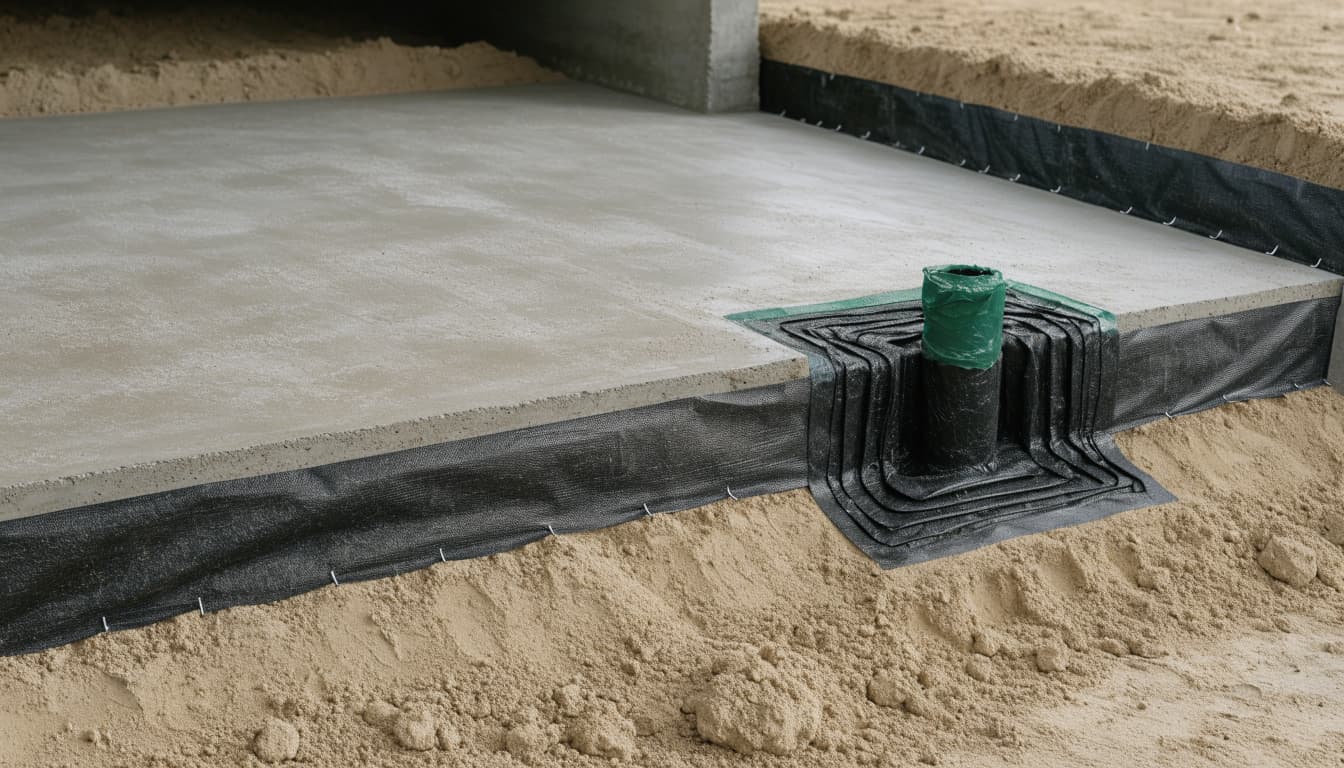
Physical systems can include stainless-steel mesh or engineered membranes. The USDA Forest Service describes these approaches and the need to address slab penetrations. Local acceptance and system-specific installation details still govern your project. These slab-focused choices don't automatically define a protection plan for a crawl space.
For liquid termiticides, service life varies by product, soil conditions, application quality, and later disturbance. A treated zone functions as a chemical barrier only when that description fits the selected product and label. USDA field-testing periods aren't warranties for an individual house. A non-repellent termiticide may let termites contact treated areas without detecting the chemical, but effects on a termite colony vary by product and circumstances.
Bait stations also need careful label review. Approval of baiting as a general method doesn't establish that every product qualifies as stand-alone preventive protection in Florida. Verify product eligibility and the approved installation plan.
Request itemized quotes covering initial installation, later perimeter work, monitoring, renewal fees, retreatment terms, and any damage-repair coverage. Ask how inspections, moisture control, and integrated pest management fit into ongoing maintenance. Don't assume a treatment warranty includes repairs.
Keep treatment records with the home's permanent file
Use a qualified, appropriately licensed pest-control company with experience in new-construction termite protection. Verify its Florida credentials and confirm who is responsible for the termite work. A general contractor's license doesn't establish pest-control qualifications.
Keep the treatment records alongside your plans, permit documents, inspection results, and foundation photographs.
Lee County's inspection guidance identifies certificate information including the treatment date and time, property address, applicator, chemical and product names, concentration, gallons applied, and treated square or linear footage. Its published code reference differs from the residential R318 reference, so confirm the applicable requirements rather than assuming they're interchangeable.
The Lee County inspection FAQ also explains certificate submission. Your builder should verify the current procedure for your jurisdiction.
Florida law requires label-compliant application and retention of preconstruction-treatment records for three years. As the homeowner, retain your copies longer for future service, renovations, and ownership transfers.
An under-slab treatment record doesn't establish that later exterior treatment has been completed.
Request both stage-specific records and the final protection documentation required for project closeout.
Preserve protection after the slab pour
The foundation pour is one milestone in a longer termite-prevention plan. Under Florida's soil-treatment provisions, exterior concrete or grade within 1 foot of the primary structure's sidewalls, or foundation walls, requires attention. The code also addresses a vertical barrier after construction, including initial landscaping and irrigation installation.
Therefore, coordinate driveways, lanais, pool decks, utility trenches, and planting beds with the pest-control professional. Newly disturbed perimeter soil may need corrective treatment.
Keep untreated wood away from soil, and avoid leaving construction scraps beneath porches or beside the foundation. Pressure-treated wood can help in specified locations, but it doesn't replace the approved protection system.
Moisture control matters too. Ponding beside slab edges, leaking irrigation, and wet landscaping can increase moisture exposure. Maintain visible inspection access where the design requires it.
This combination of construction details, moisture control, treatment, and monitoring is integrated pest management. Ask what ongoing inspection schedule your service agreement requires, and notify the provider before additions or excavation near the house.
Key takeaways for Fort Myers homeowners
- Schedule termite protection around completed site preparation and the approved foundation sequence.
- Confirm project-specific inspections and certificate requirements with the correct permitting authority.
- Have disturbed treatment areas, rain exposure, and damaged barriers reviewed before affected work is concealed.
- Keep application records, photographs, service agreements, and final documentation together.
- Compare installation and maintenance costs, then preserve protection during landscaping and future construction.
Frequently Asked Questions
When should pre-construction termite treatment be scheduled?
Schedule it after excavation, backfilling, and compaction are complete, and before concrete placement. Coordinate the timing with the builder and pest-control professional so later work doesn't disturb treated areas.
Does every Fort Myers home need a separate termite inspection before the pour?
Not necessarily; inspection and submission requirements depend on the project and permitting authority. Ask your builder to confirm the applicable milestones and approvals for the property's jurisdiction.
What happens if rain falls after soil treatment?
Follow the selected product's label, applicable code, and the pest-control professional's instructions. Florida's soil-treatment provisions require retreatment if rain occurs before the vapor retarder is placed over treated soil.
What records should homeowners keep?
Keep the treatment certificate or application record, relevant photographs, inspection results, and final protection documents with the home's permanent files. Ask the builder or pest-control company for any records required for project closeout.
Make termite protection part of foundation readiness
A Fort Myers custom home's termite protection depends on the selected system, correct installation, and coordination before concealed work begins. Documented readiness matters more than reaching a date on the construction calendar.
Before the pour, ask your builder to confirm treatment status, corrections, and applicable approvals. Then retain the records and maintain the protection throughout the home's life.