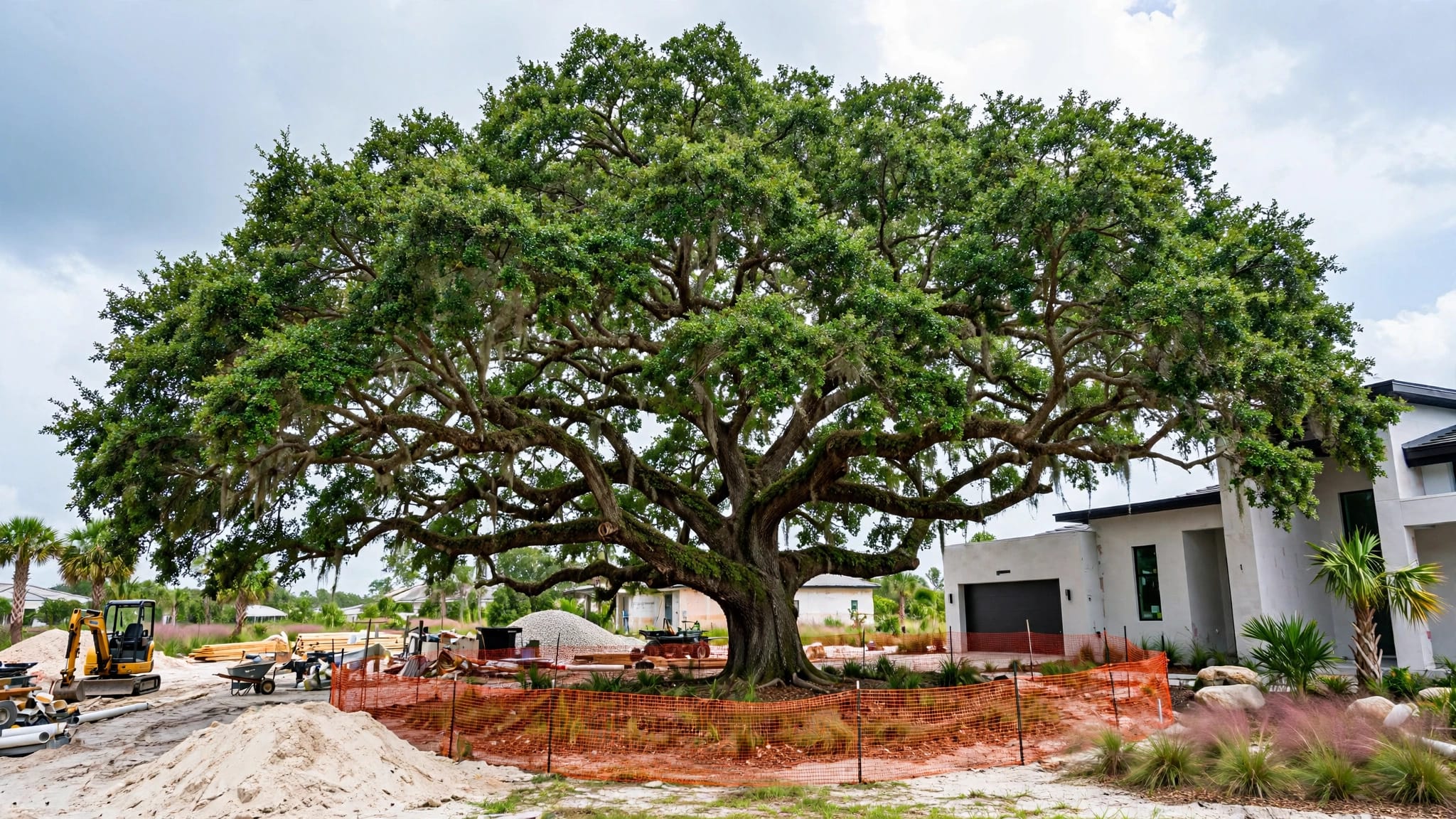
Planning a Naples Custom Home for Long Seasonal Absences
Explore Our Services
Contact Us Today!
(239) 322-9295
A Naples custom home for long seasonal absences should be designed to stay dry, secure, and serviceable while you're away. That means planning for moisture, storm preparation, plumbing control, and routine property care before construction begins.
A few practical choices can make an empty home easier to monitor and maintain. Others, such as roof inspections and landscaping, depend on an ongoing plan. The first step is deciding how the house will work when you're not there.
Key Takeaways
- Design HVAC, ventilation, plumbing, and security systems with extended vacancies in mind.
- Make storm protection and access to equipment part of the plans, not last-minute tasks.
- Arrange reliable local property care for landscaping, inspections, and unexpected problems.
- Separate permanent design features from the upkeep someone must perform while you're away.
Plan the home around long seasonal absences
A seasonal home needs to function well without daily attention. During design, consider which rooms will be occupied, which systems need to remain active, and how someone can reach important equipment if a problem occurs.
Set priorities before choosing features
Start with your likely routine. Will the home sit empty for several months, or will friends and family use it while you're away? Will you leave pool equipment and irrigation running? The answers affect HVAC controls, access arrangements, and how a caretaker should manage the property.
Also plan for the practical details: a clear route to the electrical panel and water shutoff, storage for storm panels if your design uses them, and a place for service providers to enter without accessing private areas. Make sure the project team understands these needs before the plans and equipment locations are settled.
Make maintenance access part of the layout
Air handlers, water heaters, pool equipment, and irrigation controls need to remain reachable. Avoid placing storage, fixed cabinetry, or dense landscaping where it blocks routine service. If a system needs a key or access code, decide how a trusted local contact will get in.
Control humidity and plan fresh-air ventilation
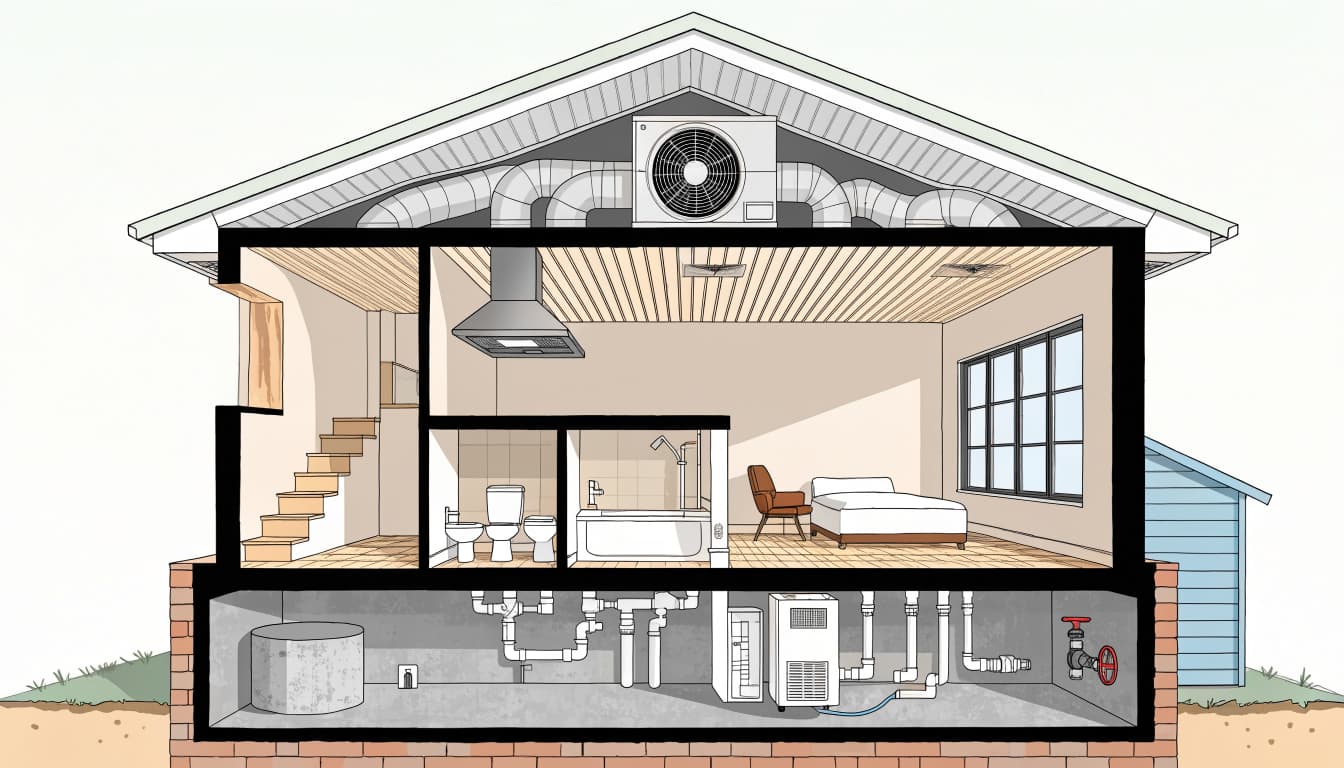
Humidity management deserves attention in Southwest Florida, especially when a home is closed up for weeks. Temperature and moisture control are related, but they aren't the same task. A house can reach its thermostat setting and still feel damp if the system doesn't remove enough moisture.
Coordinate the HVAC and ventilation design
Newer homes often have fewer uncontrolled air leaks. That can help with energy use, but it also makes planned ventilation important. Cooking, bathing, and cleaning add moisture and odors indoors, so the home needs a deliberate way to bring in outdoor air and exhaust stale air.
Have the HVAC and ventilation plans work together. The design should account for the home's layout, window exposure, air sealing, and expected occupancy. A system that runs only to meet temperature demand may not manage moisture well in every condition, so discuss how it will operate during mild, humid weather and when rooms are unoccupied.
Plan for monitoring and maintenance
Place temperature and moisture sensors where they can alert a trusted contact to changing conditions. Keep HVAC filters and condensate drains accessible, and include equipment checks in the property-care schedule. If the design includes a dedicated dehumidifier, plan its drainage and service access alongside the rest of the mechanical equipment.
Plan plumbing shutoffs before move-in
A small leak can continue unnoticed in an empty house. Plumbing design can make it easier to limit water exposure and give a local contact a clear response plan.
Choose a clear shutoff strategy
Locate the main water shutoff where it's easy to reach, and make sure its operation is straightforward. A plumber can help plan whether the house will be shut off entirely during absences or whether certain systems, such as irrigation, need separate controls.
Automatic shutoff valves and leak sensors are options to discuss during design. Place sensors near likely leak points, including water-using appliances and plumbing equipment. Keep the system's manual controls accessible, and document how a caretaker can respond to an alert.
Leave a simple response plan
Write down which shutoffs affect the whole house and which control individual branches or equipment. Include contact details for the person authorized to enter and handle a leak. If the home has a pool or irrigation system, clarify which water lines remain active so the seasonal plan doesn't conflict with routine operation.
Prepare for storms before the home is empty
Storm readiness involves both construction decisions and actions taken before a storm. A Naples custom home should have a planned approach to openings, roof access, outdoor items, and post-storm inspection.
Document the roof and protect access
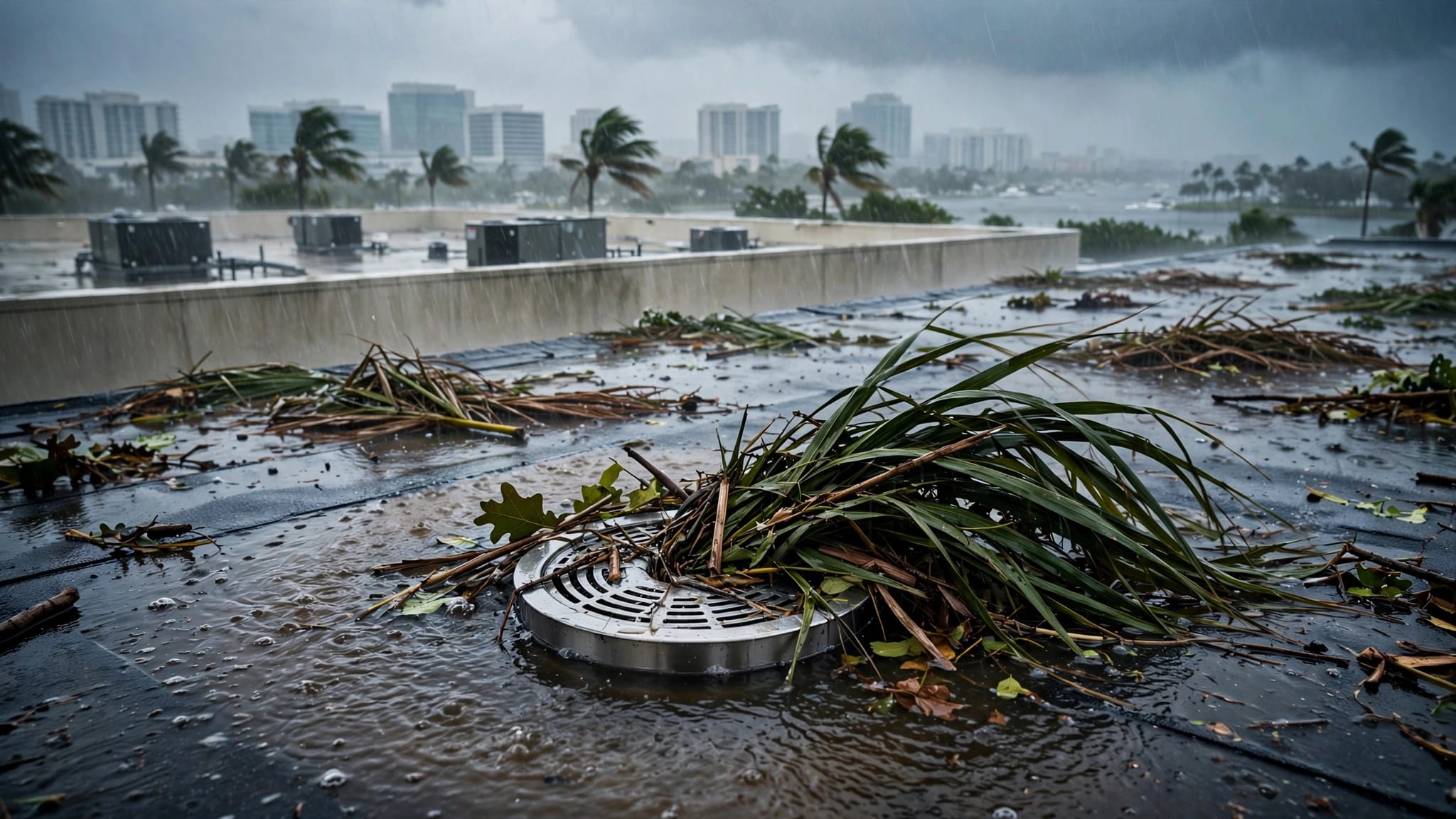
Before hurricane season, take clear, dated photos of each roof slope from the ground. Include visible edges, flashing, and gutters. Those records can help identify changes after a storm. Keep a safe path clear for a qualified roof inspection, and don't walk on shingles or attempt roof repairs without specific professional guidance.
Our Fort Myers roof inspection checklist covers practical documentation and preparation. Although it focuses on Fort Myers, the advice about ground-level photos and clear access can help seasonal homeowners plan their own roof records.
Decide how storm protection will be handled
Choose a protection approach for windows and doors during design, and account for how its components will be stored, installed, or operated. If the home is unoccupied, assign those tasks to a reliable local contact before storm season.
The roof assembly also deserves attention during planning. A Port Charlotte article on hurricane-resistant roof-to-wall connections discusses how wind can stress these connections without obvious damage from the ground. It's a regional example, not a Naples-specific code guide, but it highlights why the roof structure should be considered as a connected system.
Make remote monitoring useful
Remote monitoring works best when alerts reach someone who can act. Cameras and sensors can show activity or report changing conditions, but they don't replace a local response plan.
Select systems for the decisions they support
Consider door and window alerts, cameras at entry points, leak detection, and temperature monitoring. Use alerts that distinguish urgent issues from routine activity. Keep the system simple enough that you and your local contact can use it without confusion.
Plan access controls carefully. Set up a secure way for authorized people to enter, and avoid relying on a hidden key. Before leaving for the season, test the sensors and notifications, and make sure the designated contact knows how to respond.
Define who handles each alert
Decide who will respond to a leak warning, a power interruption, or a sign of storm damage. A remote alert has limited value if no one can reach the property. Share service contacts and access instructions with the person responsible for the home, and keep that information current.
Design landscaping for easy upkeep
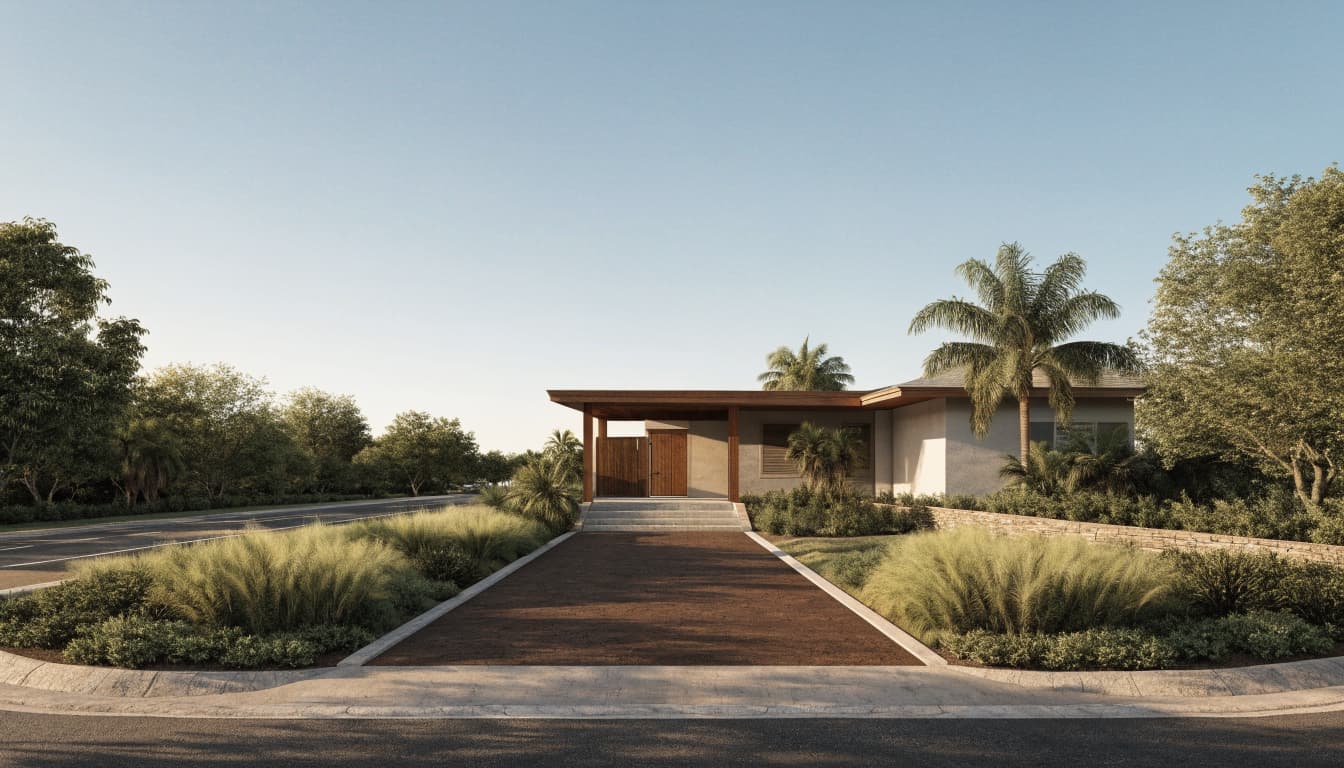
Plants, irrigation, and outdoor features affect how manageable a home is when you're away. In the plans, leave space to reach exterior equipment and avoid plantings that obstruct doors, service areas, or routine inspections.
Choose landscaping that suits the site and can tolerate a regular care schedule. Set irrigation controls so a local caretaker can understand them, and make sure water doesn't collect around service areas or block access. A pool, lanai, or outdoor kitchen also needs a maintenance plan, including access to pumps, filters, and controls.
Before a storm, patio furniture, umbrellas, planters, and other loose objects may need to be secured or stored. Build that task into the property-care arrangement rather than assuming it will happen automatically.
Select materials with coastal exposure in mind
Salt air can affect exterior metals and finishes, so material choices matter beyond appearance. Select products suited to the home's setting and plan how exposed components will be inspected and maintained.
Our guide to salt-resistant materials for coastal homes covers material considerations for Naples construction. During planning, consider how finishes, hardware, and exterior fixtures will hold up in the local environment, and favor details that remain accessible for cleaning or repair.
If the property is near the coast, site conditions can also shape the project. Review the relevant Naples coastal construction rules early, since coastal approvals may affect the home's footprint, access, and project schedule.
Build a dependable property-care routine
Design reduces maintenance friction, but it can't eliminate routine upkeep. Before leaving, arrange someone local to look after the property and give them written instructions for the systems that need attention.
Put recurring tasks in one schedule
Include HVAC checks, filter changes, plumbing observations, pool and irrigation care, exterior inspections, and storm preparation. Set intervals with the service professionals responsible for each system, rather than relying on memory or informal messages.
Keep records of completed visits, unusual readings, repairs, and changes to system settings. A shared record helps the next person understand what has already been done and what still needs attention.
Plan for problems that need a quick response
Agree in advance on who can enter the property and who can authorize urgent work. Provide access instructions and contact details for relevant service providers. After severe weather, arrange a property visit to look for visible damage or water intrusion, even if remote systems haven't sent an alert.
Allow time for design and construction decisions
A long-absence plan works best when it's part of the construction schedule. Decisions about windows, ventilation, plumbing shutoffs, equipment locations, storm protection, and landscaping can affect later work. Make them early enough to coordinate trades and avoid last-minute changes.
Organize the schedule around milestones
Plans, product lead times, permit review, inspections, weather, and concealed conditions can all affect timing. Build the calendar around construction phases and decision points rather than relying on a single finish-date estimate. Our advice on planning a Naples whole-home renovation discusses similar schedule factors that can also affect a new build.
Use the final walkthrough to prepare for absence
Before the first seasonal departure, review the operating instructions for HVAC, ventilation, plumbing, pool equipment, irrigation, and security. Confirm that the property-care contact understands the written plan. Keep manuals and service records in one accessible place, and note the location of shutoffs and controls.
FAQ
Should I turn off the water when leaving Naples?
That depends on the home's plumbing, irrigation, and pool setup. Plan a clear shutoff approach with a plumber, and make sure a local contact knows how to operate the controls.
Is remote monitoring enough to protect an empty home?
No monitoring system can replace someone who can visit the property. Use sensors and cameras to flag issues, then assign a trusted local contact to respond.
What should happen to outdoor furniture before a storm?
Loose items such as patio furniture, planters, and umbrellas should be secured or stored. Include this task in the caretaker's storm-preparation plan.
When should I plan the HVAC and ventilation systems?
Coordinate them during design, before equipment and duct locations are fixed. The plans should account for the home's layout, air sealing, window exposure, and seasonal occupancy.
Design for the months you're away
A seasonal home needs more than attractive finishes. It needs accessible systems, a workable storm plan, thoughtful moisture control, and local people who know what to do when an alert arrives.
When you plan those details before construction, a Naples custom home is easier to monitor and maintain through long absences. The strongest design is one that supports good upkeep, rather than expecting technology or construction alone to handle every problem.